
 Account
Categories

0 The Diplomat Who Vanished: The Haunting Legacy of William Bradford Bishop
Early Life and Promising CareerWilliam Bradford Bishop Jr. was born on August 1, 1936, in Pasadena, California. A man of intellect and ambition, he pursued higher education with vigor, earning a bachelor's degree in history from Yale University and a master's degree in international studies from Middlebury College. Fluent in five languages—English, Italian, French, Spanish, and Serbo-Croatian—Bishop's linguistic skills complemented his academic achievements. His career path led him to the U.S. Army, where he served in counterintelligence, and subsequently to the U.S. State Department as a Foreign Service officer. His postings included Italy, Ethiopia, and Botswana, reflecting a trajectory of success and recognition in diplomatic circles. The Tragedy of March 1, 1976On March 1, 1976, a series of events unfolded that would shock the nation. After learning he would not receive a coveted promotion, Bishop left his office in Washington, D.C., under the pretense of illness. He purchased a sledgehammer and a gas can, which he filled with gasoline. Returning to his Bethesda, Maryland, home, he allegedly used the sledgehammer to bludgeon his wife, Annette (37), his mother, Lobelia (68), and his three sons: William III (14), Brenton (10), and Geoffrey (5). He then transported their bodies to a remote area in North Carolina, where he buried them in a shallow grave and set them ablaze. The Elusive FugitiveFollowing the murders, Bishop vanished without a trace. His 1974 Chevrolet station wagon was discovered abandoned at the Elkmont Campground in the Great Smoky Mountains National Park, containing bloodstained blankets and dog biscuits, indicating he had his family dog with him. Despite extensive searches and numerous reported sightings over the years, Bishop has remained at large. In 2014, the FBI added him to its Ten Most Wanted Fugitives list, offering a reward for information leading to his capture. He was removed from the list in 2018 but remains wanted by law enforcement. Psychological Profile and TheoriesInvestigators have described Bishop as an intense and self-absorbed individual, prone to violent outbursts. He was known to be a longtime insomniac who may have kept a diary or journal. His interests included scotch, wine, peanuts, and spicy foods. Some theories suggest that his inability to cope with professional setbacks and personal pressures may have contributed to his actions. Others speculate that his background in intelligence and foreign service provided him with the skills necessary to evade capture. The Discovery of a DaughterIn a surprising development, Kathy Gillcrist, a woman adopted as a child, discovered through DNA testing that William Bradford Bishop was her biological father. This revelation added a new dimension to the case, as Gillcrist grappled with the knowledge of her father's alleged crimes. She has expressed a desire to understand the man behind the headlines and has even written a book detailing her journey of discovery. Enduring Impact and Continued SearchThe case of William Bradford Bishop continues to captivate and haunt those familiar with it. Law enforcement agencies, including the FBI, persist in their efforts to locate him, keeping the case open and active. Public interest remains high, with documentaries and investigative reports revisiting the case, hoping to shed new light on the mystery. As of now, Bishop would be in his late 80s, and the question remains: Is he still alive, living under an assumed identity, or has he passed away, his crimes unresolved? Conclusion The story of William Bradford Bishop is a chilling reminder of how a seemingly successful and accomplished individual can harbor dark secrets. His disappearance after the brutal murder of his family has left a void in the lives of those affected and a lingering question in the annals of criminal history. Until he is found or definitively declared deceased, the case remains a poignant example of justice delayed and the enduring quest for closure.
0 From Jane Doe to Marcia King: The 37-Year Journey of the 'Buckskin Girl'
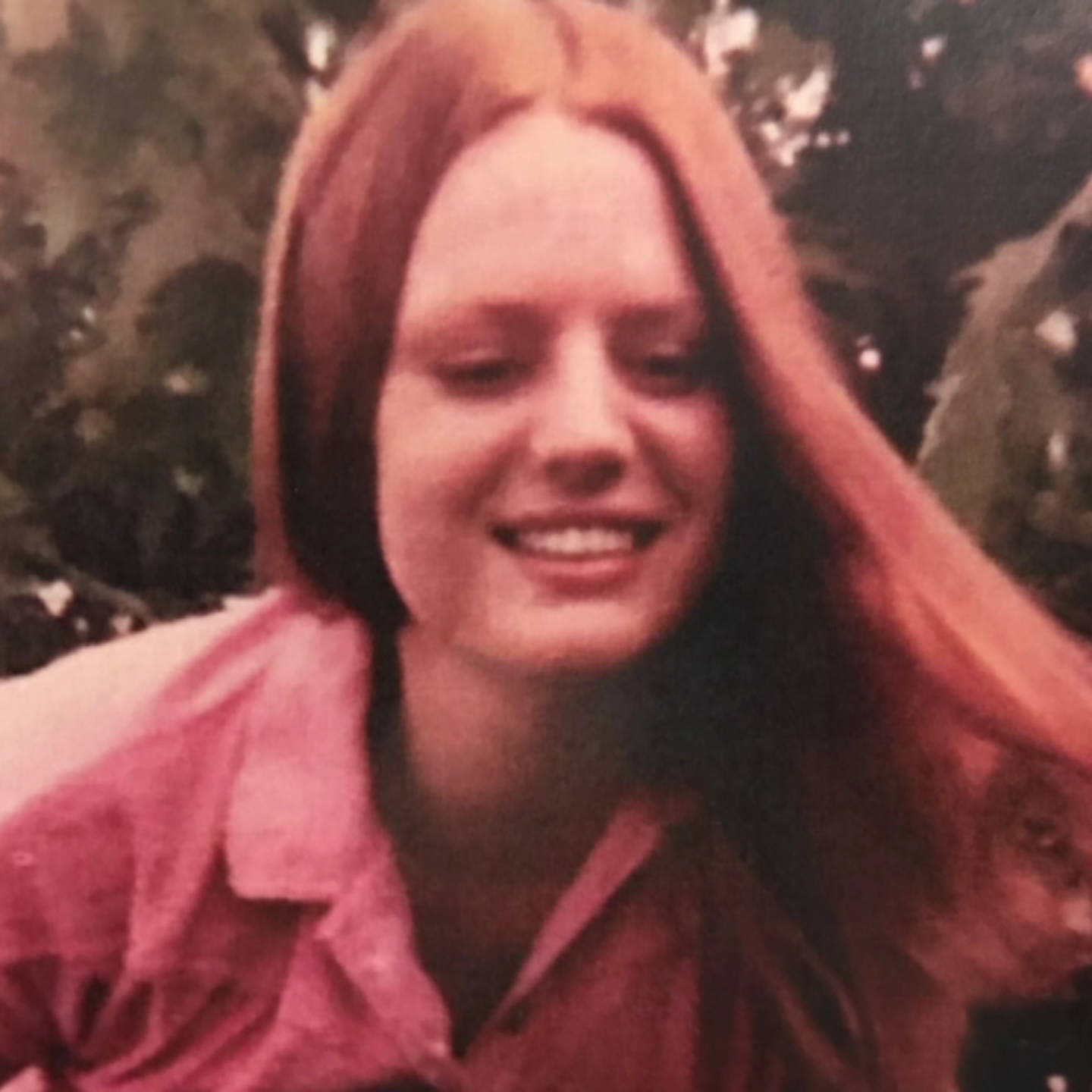
The Discovery in Troy, OhioOn April 24, 1981, the body of a young woman was found in a ditch along Greenlee Road in Newton Township, near Troy, Ohio. She was discovered by three young men who initially noticed her distinctive buckskin poncho, which led to her being nicknamed "Buckskin Girl." The woman was lying in a fetal position, without shoes or socks, and had no identification on her. An autopsy revealed she had died approximately 48 hours prior from strangulation and blunt force trauma to the head and neck. Despite extensive efforts, her identity remained unknown for decades. Initial Investigations and TheoriesFollowing the discovery, authorities conducted a thorough investigation. They obtained fingerprints and dental records, but these did not match any known missing persons. A composite sketch was released to the public, generating numerous leads, all of which were eventually exhausted. Investigators theorized that she might have been a runaway or a transient, possibly murdered elsewhere and her body dumped in Ohio. The clean state of her feet suggested she had not walked far before her death. Advancements in Forensic ScienceOver the years, technological advancements provided new avenues for investigation. In 2001, a DNA profile was developed from a preserved blood sample. This profile was entered into national databases, but no matches were found. In 2016, forensic palynology (the study of pollen) indicated she had spent time in the northeastern United States or Canada, and possibly in arid regions like the western U.S. or northern Mexico shortly before her death. These findings supported theories that she was not from Ohio. The Breakthrough: DNA Doe ProjectA significant breakthrough came in 2018 when the DNA Doe Project, a nonprofit organization specializing in forensic genealogy, took on the case. Using advanced DNA analysis and public genealogy databases, they identified a close relative of the victim. This led to the confirmation that "Buckskin Girl" was Marcia Lenore King, a 21-year-old woman from Arkansas who had last been seen by her family in 1980. Her family had never filed a missing person report but had continued to search for her. Marcia King's Life and LegacyMarcia King was known to be a trusting and kind individual. Her family described her as someone who was very trusting. After her identification, a memorial service was held in Troy, Ohio, where her grave, previously marked as "Jane Doe," was updated with her real name. Her family expressed gratitude to the community for the care and respect shown to Marcia during the years she remained unidentified. Ongoing InvestigationDespite identifying Marcia King, her murder remains unsolved. Investigators have continued to seek information about her activities leading up to her death. Reports suggest she was in Louisville, Kentucky, approximately two weeks before her body was found. There is also speculation about her involvement with a religious organization called The Way. Advancements in DNA technology continue to offer hope for solving the case. Impact on Forensic InvestigationsThe identification of Marcia King marked a significant milestone in forensic science, showcasing the power of genetic genealogy in solving cold cases. It highlighted the importance of preserving biological samples and demonstrated how collaboration between law enforcement and nonprofit organizations can bring closure to long-unsolved mysteries. The case has inspired renewed efforts in similar investigations, offering hope to families of other unidentified victims. Conclusion The story of Marcia King, once known only as "Buckskin Girl," is a poignant reminder of the enduring impact of unresolved cases. Her identification after 37 years underscores the advancements in forensic science and the unwavering commitment of investigators and volunteers. While her killer remains at large, the revelation of her identity has provided a sense of closure to her family and serves as a testament to the importance of never giving up on seeking justice.

0 The Cellar of Secrets: Unraveling the Josef Fritzl Case
The Genesis of a Horror: Josef Fritzl’s Early Life and Criminal HistoryBorn on April 9, 1935, in Amstetten, Austria, Josef Fritzl's early life was marked by a strict and abusive upbringing. His mother was reportedly domineering and violent, instilling in him a complex mix of fear and resentment. In 1967, Fritzl was convicted of raping a 24-year-old nurse, serving only 12 months of an 18-month sentence. Despite this conviction, his criminal record was expunged after 15 years, allowing him to adopt and foster children without scrutiny. The Descent into Darkness: Elisabeth’s ImprisonmentIn August 1984, Fritzl lured his 18-year-old daughter, Elisabeth, into the basement of their family home under the pretense of needing help installing a door. Once inside, he rendered her unconscious with an ether-soaked towel and imprisoned her in a concealed cellar he had been meticulously preparing for years. This marked the beginning of a 24-year ordeal during which Elisabeth was subjected to repeated sexual abuse, resulting in the birth of seven children. The Hidden Chamber: A Life UndergroundThe cellar where Elisabeth and three of her children were held was a complex structure, accessible only through a series of electronically secured doors. Fritzl ensured the chamber was soundproof and hidden from the outside world. He provided minimal amenities, including a washbasin, hot plate, and refrigerator. The captives were subjected to constant surveillance and threats, with Fritzl warning them of being gassed or electrocuted if they attempted to escape. The Dual Life: Deception Above GroundWhile Elisabeth and three of her children remained imprisoned, Fritzl presented a facade of normalcy to the outside world. He convinced his wife, Rosemarie, and authorities that Elisabeth had joined a cult and had left her children on their doorstep. Three of the children were raised upstairs, unaware of their true parentage. Fritzl's manipulation extended to forging letters from Elisabeth to maintain the illusion. The Unraveling: Discovery and ArrestThe case began to unravel in April 2008 when Kerstin, Elisabeth's eldest daughter, fell critically ill. Fritzl agreed to seek medical attention, bringing Kerstin to the hospital. Medical staff, suspicious of her condition and lack of medical history, alerted the police. Elisabeth was eventually allowed to visit Kerstin in the hospital, where she revealed the truth about her captivity. Fritzl was arrested shortly thereafter. The Trial: Justice ServedIn March 2009, Josef Fritzl pleaded guilty to charges including rape, incest, false imprisonment, and negligent homicide for the death of an infant who died shortly after birth in the cellar. He was sentenced to life imprisonment. The trial brought to light the extent of his crimes and the psychological manipulation he employed to maintain control over his victims. The Aftermath: Healing and RehabilitationFollowing their release, Elisabeth and her children were placed under psychiatric care and given new identities to protect their privacy. They have since worked to rebuild their lives, with reports indicating that Elisabeth has found love and stability. The children, some of whom had never seen daylight, faced significant challenges adapting to the outside world. The Present: Fritzl’s Current StatusNow in his late 80s, Josef Fritzl suffers from dementia and has been transferred from a psychiatric facility to a regular prison. Despite his deteriorating health, courts have denied his requests for early release, citing the severity of his crimes and the potential risk he poses. His case continues to evoke strong emotions and serves as a grim reminder of the depths of human depravity. Conclusion: A Cautionary Tale The Josef Fritzl case stands as one of the most harrowing instances of prolonged abuse and captivity in modern history. It underscores the importance of vigilance, the need for robust child protection systems, and the resilience of survivors in the face of unimaginable trauma. As society reflects on this dark chapter, it is imperative to ensure that such atrocities are never repeated.

0 Scalpel of Betrayal: The Rise and Fall of Dr. Death
Early Life and Academic AmbitionsChristopher Daniel Duntsch was born on April 3, 1971, in Montana and raised in Memphis, Tennessee. His father, Donald, was a physical therapist and Christian missionary, while his mother, Susan, was a schoolteacher. Duntsch was the eldest of four children and attended Evangelical Christian School in Cordova, Tennessee, where he played football. He initially pursued a football career, attending Millsaps College and later transferring to Colorado State University. However, lacking the requisite talent, he shifted his focus to medicine, completing his undergraduate degree at Memphis State University in 1995 .Medical Training and Early Red FlagsDuntsch enrolled in an MD-PhD program at the University of Tennessee Health Science Center, earning his degrees in 2001 and 2002. He completed a neurosurgery residency and a spine fellowship at the Semmes-Murphey Clinic in Memphis. Notably, during his residency, Duntsch participated in fewer than 200 surgeries, significantly below the typical 1,000 surgeries for neurosurgery residents. Concerns arose about his competence, and he was suspected of operating under the influence of cocaine, leading to a stint in a program for impaired physicians .Establishing a Medical Practice in DallasIn 2010, Duntsch moved to Dallas, Texas, and joined Baylor Regional Medical Center at Plano as a minimally invasive spine surgeon. Despite a seemingly impressive résumé, including a 12-page curriculum vitae and claims of graduating magna cum laude from St. Jude Children's Research Hospital (a program the hospital did not offer), his competence was questionable. His tenure at Baylor Plano was marred by several botched surgeries, leading to severe patient harm .Trail of Malpractice and Patient HarmDuntsch's surgical record was alarming. At Baylor Plano, his first patient, Kenneth Fennell, was left with chronic pain after Duntsch operated on the wrong part of his back. Subsequent surgeries resulted in patients being paralyzed, maimed, or dead. Notably, his longtime friend, Jerry Summers, became a quadriplegic after a botched neck surgery. Another patient, Kellie Martin, died from massive blood loss during a routine back operation. Despite these incidents, Duntsch continued to practice, moving between hospitals, including Dallas Medical Center, where he caused further harm .Systemic Failures and Lack of OversightThe medical system's oversight mechanisms failed to stop Duntsch promptly. Hospitals were hesitant to report him to the National Practitioner Data Bank, fearing legal repercussions. For instance, after revoking his surgical privileges, Baylor Plano allowed him to resign without reporting his misconduct. This lack of accountability enabled Duntsch to secure positions at other hospitals, where he continued to harm patients .Legal Proceedings and ConvictionIn July 2015, Duntsch was arrested and charged with multiple counts of aggravated assault and injury to an elderly person. The prosecution focused on the case of Mary Efurd, a 74-year-old patient left paralyzed after a botched surgery. In February 2017, Duntsch was convicted of maiming Efurd and sentenced to life imprisonment, with the possibility of parole after 30 years. This case marked one of the first instances where a physician was criminally prosecuted for actions during surgery .Impact on Victims and the Medical CommunityDuntsch's actions had devastating effects on his patients, many of whom suffered permanent disabilities or died. The case also prompted introspection within the medical community about the adequacy of oversight and the mechanisms in place to prevent such malpractice. It highlighted the need for more stringent reporting requirements and better communication between medical institutions .Media Coverage and Public AwarenessThe shocking nature of Duntsch's crimes garnered significant media attention. The podcast "Dr. Death" by Wondery delved into his story, bringing widespread awareness to the case. In 2021, Peacock released a dramatized series titled "Dr. Death," further highlighting the systemic failures that allowed Duntsch to continue practicing despite repeated malpractice .Conclusion: A Cautionary Tale The case of Christopher Duntsch serves as a stark reminder of the potential consequences when systemic failures allow incompetence and negligence to go unchecked. It underscores the importance of rigorous oversight, transparent reporting, and accountability within the medical profession to safeguard patient well-being.

0 The Many Faces of a Killer: The Clark Rockefeller Deception
Christian Karl Gerhartsreiter was born on February 21, 1961, in Siegsdorf, Bavaria, West Germany. In 1978, at the age of 17, he traveled to the United States, initially settling in Connecticut. Over the years, he adopted numerous aliases, including Christopher Chichester, Christopher Crowe, and ultimately, Clark Rockefeller. His ability to fabricate identities allowed him to infiltrate various social circles, posing as a film student, a Wall Street broker, and even a member of the prestigious Rockefeller family. In the mid-1980s, while living in San Marino, California, under the alias Christopher Chichester, Gerhartsreiter rented a guesthouse from Ruth "Didi" Sohus. In 1985, Didi's son, John Sohus, and his wife, Linda, disappeared under mysterious circumstances. Gerhartsreiter claimed they had gone to Europe, but suspicions arose when he was later found driving John's truck in Connecticut. In 1994, John's remains were discovered buried in the backyard of the Sohus property, but Linda's whereabouts remain unknown. By the 1990s, Gerhartsreiter had reinvented himself as Clark Rockefeller, claiming lineage to the wealthy Rockefeller family. In 1995, he married Sandra Boss, a successful businesswoman. Despite his lack of verifiable background, he managed to control their finances and social interactions. The couple had a daughter in 2001, but the marriage deteriorated due to Gerhartsreiter's controlling behavior and secrecy. Following their divorce, Gerhartsreiter was granted supervised visitation rights. In July 2008, during one such visit in Boston, he abducted his seven-year-old daughter, Reigh, by assaulting the social worker supervising the visit and fleeing in an SUV. The incident led to a nationwide manhunt, culminating in his arrest in Baltimore, Maryland, where he had been living under yet another alias. In 2009, Gerhartsreiter was convicted of kidnapping and assault charges related to the abduction of his daughter and sentenced to four to five years in prison. Subsequently, he was charged with the 1985 murder of John Sohus. In 2013, he was found guilty of first-degree murder and sentenced to 27 years to life in prison. He is currently incarcerated at San Quentin State Prison in California. The case of Christian Gerhartsreiter, aka Clark Rockefeller, has captivated public attention due to its intricate web of deceit and the audacity of his impersonations. His story has been the subject of various media portrayals, including the television film "Who Is Clark Rockefeller?" and the memoir "Blood Will Out" by Walter Kirn, who recounts his personal experiences with Gerhartsreiter.

0 "The Angel of Death: Unraveling the Chilling Case of Elizabeth Wettlaufer"
Early Life and BackgroundElizabeth Tracy Mae Wettlaufer, born Elizabeth Parker on June 10, 1967, in Zorra Township, Ontario, was raised in a devout Baptist household. She pursued a bachelor's degree in religious education counseling from London Baptist Bible College and later obtained a nursing diploma from Conestoga College. In 1995, she became a registered nurse, setting the stage for a career that would later be marred by unimaginable crimes. Professional Career and Warning SignsWettlaufer began her nursing career at Caressant Care, a long-term care facility in Woodstock, Ontario, in 2007. Initially perceived as a dedicated caregiver, her tenure was soon plagued by numerous disciplinary issues, including medication errors and substance abuse. Despite multiple suspensions, it wasn't until March 2014 that she was terminated for a serious medication mishap. Alarmingly, even after her dismissal, she continued to find employment in other healthcare settings. The Murders and Modus OperandiBetween 2007 and 2016, Wettlaufer exploited her position to administer lethal doses of insulin to vulnerable elderly patients. Her first known victim was James Silcox, an 84-year-old World War II veteran, in August 2007. Over the years, she claimed eight lives and attempted to harm six others across various facilities, including Meadow Park in London and private residences. Her method involved injecting insulin, leading to fatal hypoglycemia. Psychological Profile and MotivationsWettlaufer's confessions revealed a complex psychological landscape. She described experiencing a "red surge" before committing her crimes and believed she was acting as an instrument of God. Diagnosed with borderline personality disorder and major depressive disorder, she also battled substance abuse and struggled with her sexual identity. These factors, combined with personal turmoil, contributed to her descent into serial murder. Confession and Legal ProceedingsIn September 2016, Wettlaufer admitted herself to the Centre for Addiction and Mental Health in Toronto, where she confessed to her crimes. This led to her arrest in October 2016. She pleaded guilty to eight counts of first-degree murder, four counts of attempted murder, and two counts of aggravated assault. In June 2017, she was sentenced to life imprisonment with no possibility of parole for 25 years. Impact on Families and Public OutcryThe revelation of Wettlaufer's actions sent shockwaves through the community and the nation. Families of the victims expressed profound grief and anger, grappling with the betrayal of trust by someone entrusted with their loved ones' care. The case sparked widespread outrage and raised serious concerns about the oversight and accountability within the long-term care system. Systemic Failures and Public InquiryIn response to the tragedy, the Ontario government launched a public inquiry to investigate the systemic failures that allowed Wettlaufer's crimes to go undetected for nearly a decade. The inquiry highlighted lapses in reporting mechanisms, inadequate responses to complaints, and the need for comprehensive reforms in the healthcare sector to prevent such atrocities in the future. Current Status and ReflectionsAs of the latest reports, Elizabeth Wettlaufer remains incarcerated, serving her sentence in a secure psychiatric facility. Her case stands as a grim reminder of the potential consequences of systemic neglect and the importance of vigilant oversight in healthcare settings. It underscores the need for continuous evaluation and improvement of protocols to safeguard the most vulnerable members of society.

0 Digital Echoes: The Michelle Carter Case and the Boundaries of Virtual Influence
The Genesis of a TragedyMichelle Carter and Conrad Roy III's relationship began in 2012 when they met while vacationing in Florida. Despite living only about 35 miles apart in Massachusetts, their relationship was primarily conducted through digital communication—texts, emails, and phone calls. Both teenagers struggled with mental health issues: Roy battled depression and social anxiety, while Carter dealt with her own psychological challenges, including an eating disorder and the use of antidepressants. Their virtual interactions became a complex tapestry of emotional support and, eventually, manipulation.The Fateful NightOn July 12, 2014, Conrad Roy was found dead in his truck in a Kmart parking lot in Fairhaven, Massachusetts. He had died from carbon monoxide poisoning, having used a gasoline-powered water pump to fill the vehicle with toxic fumes. Investigations revealed a series of text messages from Carter encouraging Roy to follow through with his suicide plan. Notably, during a phone call, when Roy expressed hesitation, Carter reportedly told him to "get back in" the truck, a directive that played a pivotal role in the subsequent legal proceedings.The Legal ProceedingsThe case, dubbed the "texting suicide case," raised unprecedented legal questions about the extent to which one can be held responsible for another's suicide through digital communication. In 2017, Michelle Carter was convicted of involuntary manslaughter. The judge emphasized that her actions, particularly the phone call instructing Roy to return to the truck, constituted "wanton and reckless conduct." Carter was sentenced to 15 months in prison and was released early in January 2020 for good behavior.Public Reaction and Media PortrayalThe case garnered national attention, sparking debates about mental health, digital communication, and legal responsibility. It inspired various media portrayals, including the HBO documentary "I Love You, Now Die: The Commonwealth v. Michelle Carter" and the Hulu miniseries "The Girl from Plainville," which delved into the complexities of the case and the individuals involved.Legal and Ethical ImplicationsCarter's conviction set a legal precedent, highlighting the potential for digital communication to have real-world consequences. The case prompted discussions about the need for laws addressing suicide coercion, especially in the context of digital interactions. It also raised concerns about free speech and the boundaries of legal culpability in cases involving encouragement of self-harm.Current Status and Ongoing ImpactSince her release, Michelle Carter has maintained a low profile. The case continues to influence discussions on mental health, digital communication, and legal responsibility. Efforts have been made to introduce legislation, such as "Conrad's Law," aimed at criminalizing suicide coercion. The case remains a poignant example of the complexities at the intersection of technology, mental health, and the law. If you or someone you know is struggling with suicidal thoughts, please seek help. In the U.S., the National Suicide Prevention Lifeline is available 24/7 at 1-800-273-TALK (8255).

0 The Highway Predator: Unmasking the Crimes of William Lewis Reece
Early Life and Troubled BeginningsWilliam Lewis Reece was born on July 1, 1959, in Oklahoma, one of thirteen siblings. His early life was marked by instability; he dropped out of school in the ninth grade to work as a farm laborer. Reece's personal relationships were tumultuous; he married Judy Flaming in 1979, but the marriage was fraught with issues, including heavy drinking and physical abuse, leading to their eventual divorce. Despite these challenges, Reece's early life did not foreshadow the horrific crimes he would later commit. Initial Criminal Activities and IncarcerationReece's criminal activities began in earnest in 1986 when he kidnapped and raped a 19-year-old woman in Oklahoma. While out on bail for this crime, he committed another sexual assault, leading to his conviction and a 25-year prison sentence. However, due to procedural errors during his trial, his sentence was reduced, and he was paroled in October 1996. This early release set the stage for a series of heinous crimes that would terrorize communities in Texas and Oklahoma. The 1997 Crime SpreeFollowing his release, Reece moved to Texas, where he embarked on a brutal crime spree in 1997. His first known victim during this period was 12-year-old Laura Smither, who disappeared while jogging near her home in Friendswood, Texas. Seventeen days later, her body was found in a retention pond. Reece was a suspect but not charged due to insufficient evidence. In May 1997, Reece abducted 19-year-old Sandra Sapaugh in Webster, Texas. He forced her into his truck at knifepoint, but she managed to escape by jumping from the moving vehicle. Her testimony led to Reece's arrest and a 60-year prison sentence for kidnapping. Reece's crime spree continued with the abduction and murder of 20-year-old Kelli Cox in Denton, Texas, in July 1997. Later that month, he kidnapped and murdered 19-year-old Tiffany Johnston in Bethany, Oklahoma. In August 1997, 17-year-old Jessica Cain disappeared in La Marque, Texas. Reece was not immediately linked to these crimes, and the cases remained unsolved for years. Breakthrough via DNA EvidenceIn 2015, a significant breakthrough occurred when Reece's DNA matched evidence from the 1997 murder of Tiffany Johnston. This development led to his indictment for her murder. Subsequently, Reece confessed to the murders of Laura Smither, Kelli Cox, and Jessica Cain, providing information that led authorities to the burial sites of Cox and Cain. Legal Proceedings and SentencingReece was tried and convicted for the murder of Tiffany Johnston in Oklahoma and sentenced to death in 2021. In 2022, he was extradited to Texas, where he pleaded guilty to the murders of Smither, Cox, and Cain, receiving three consecutive life sentences. He is currently incarcerated at the Allan B. Polunsky Unit in Texas, awaiting execution. The Texas Killing Fields ConnectionReece's crimes are linked to the infamous Texas Killing Fields, a stretch along Interstate 45 between Houston and Galveston, known for numerous unsolved murders and disappearances of young women since the 1970s. Reece is one of the few individuals conclusively connected to multiple murders in this area, highlighting the challenges law enforcement faces in solving such cases. Impact on Victims' Families and CommunitiesThe families of Reece's victims endured years of uncertainty and grief. The eventual confessions and recoveries of remains provided some closure but could not erase the pain caused by his actions. Communities affected by his crimes have since advocated for improved investigative techniques and support for victims' families. Conclusion William Lewis Reece's case underscores the importance of advancements in forensic science and inter-agency cooperation in solving cold cases. His crimes left an indelible mark on numerous families and communities, serving as a grim reminder of the devastating impact a single individual can have. The pursuit of justice in his case highlights both the challenges and the critical need for persistent investigative efforts in addressing violent crimes.

0 The Lethal Lovers: A Chilling Tale of Love and Murder in a Michigan Nursing Home
Introduction: A Sinister Pact in the Halls of CareIn the quiet suburb of Walker, Michigan, the Alpine Manor nursing home was meant to be a sanctuary for the elderly. However, between January and February 1987, it became the hunting ground for two nurse's aides, Gwendolyn Graham and Catherine Wood. Their heinous acts would later earn them the moniker "The Lethal Lovers," as they orchestrated the deaths of five vulnerable patients, turning a place of care into a chamber of horrors .The Genesis of a Deadly DuoGraham and Wood's paths crossed at Alpine Manor, where their professional relationship quickly evolved into a romantic one. Their bond, however, was far from healthy. Colleagues described their relationship as volatile, marked by jealousy and peculiar pranks, such as hiding under patients' beds to scare other staff members . This toxic dynamic laid the groundwork for a series of murders that would shock the nation.A Macabre Game: The Murders UnfoldThe duo's killing spree began with the smothering of a woman suffering from Alzheimer's disease. Wood claimed that Graham committed the act to "relieve her tension," with Wood acting as a lookout . Emboldened by the ease of the first murder, they continued their spree, selecting victims whose initials would spell out the word "MURDER." When this proved challenging, they shifted to counting each murder as a "day," culminating in the phrase "forever and five days," a chilling testament to their twisted love .The Investigation: Unraveling the TruthThe murders went unnoticed until 1988 when Wood's ex-husband reported her confessions to the police. Initially, Wood portrayed herself as a passive accomplice, claiming Graham was the mastermind. However, inconsistencies in her accounts and testimonies from other inmates suggested that Wood might have been more involved than she admitted. Some believed she manipulated the narrative to exact revenge on Graham for leaving her .Justice Served: Trials and SentencingIn 1989, Graham was convicted of five counts of first-degree murder and one count of conspiracy to commit murder, receiving five life sentences without parole. Wood, in exchange for her testimony against Graham, pleaded guilty to second-degree murder and conspiracy, resulting in a 20 to 40-year sentence .Aftermath: Release and Public OutcryWood was released from prison in January 2020 after serving nearly 30 years. Her release sparked outrage among victims' families and the public, with many fearing she remained a threat to society. She moved to Fort Mill, South Carolina, to live with her sister, under parole conditions that restricted her contact with vulnerable individuals .Legacy: A Cautionary TaleThe case of Graham and Wood serves as a grim reminder of how personal relationships can devolve into dangerous alliances. Their story has been the subject of books, documentaries, and even inspired fictional portrayals, highlighting the enduring fascination and horror their crimes evoke. The Alpine Manor murders underscore the importance of vigilance and the need for thorough oversight in caregiving institutions to prevent such tragedies from recurring.Conclusion: Lessons from the Past The chilling saga of the "Lethal Lovers" remains etched in the annals of criminal history. It prompts reflection on the vulnerabilities within healthcare systems and the depths of human depravity. As society continues to grapple with such dark chapters, the imperative to safeguard the most vulnerable among us becomes ever more paramount.

0 Beyond the Comet: The Tragic Odyssey of Heaven’s Gate
The Genesis of a Cosmic FaithIn the early 1970s, amidst a backdrop of societal upheaval and a burgeoning interest in alternative spiritualities, Marshall Herff Applewhite and Bonnie Lu Nettles crossed paths in Houston, Texas. Applewhite, a music professor grappling with personal crises, and Nettles, a nurse with an interest in theosophy and astrology, found in each other a shared vision of a higher purpose. They believed they were the "Two Witnesses" prophesied in the Book of Revelation, destined to guide a select group to transcendence. This partnership laid the foundation for what would become known as Heaven's Gate .Evolution of Belief: From Earthly Bonds to Celestial AspirationsInitially, Applewhite and Nettles embarked on a journey across the United States, disseminating their teachings and attracting followers. They posited that Earth was on the brink of being "recycled," and salvation lay in ascending to the "Next Level," a realm beyond human existence. This ascension required shedding all attachments to the material world, including family ties, personal possessions, and even one's human identity. Over time, their movement adopted various names, such as "Human Individual Metamorphosis" and "Total Overcomers Anonymous," reflecting the evolving nature of their doctrine .The Monastic Turn: Life Within the GroupBy the mid-1970s, Heaven's Gate had solidified into a communal lifestyle characterized by strict asceticism. Members lived collectively, adhering to a regimented daily routine that emphasized discipline and detachment. Personal relationships, especially sexual ones, were discouraged, and some male members, including Applewhite, underwent voluntary castration to maintain celibacy. The group financed itself through various means, including offering professional website development services under the name "Higher Source" .Loss and Doctrinal Shift: The Death of NettlesIn 1985, Bonnie Nettles succumbed to cancer, a pivotal moment that challenged the group's beliefs. Her death contradicted their expectation of bodily ascension to the Next Level. Applewhite reinterpreted this event, teaching that the human body was merely a "vehicle" for the soul, and that true ascension involved leaving the physical form behind. This doctrinal shift reinforced the group's detachment from earthly existence and intensified their focus on spiritual transformation .The Hale-Bopp Comet: Catalyst for the Final JourneyIn the mid-1990s, the appearance of the Hale-Bopp comet reignited the group's eschatological fervor. They believed that a spacecraft, concealed behind the comet, was coming to transport them to the Next Level. This belief was bolstered by media reports and amateur astronomer observations suggesting an object trailing the comet. For Heaven's Gate, this was the long-awaited sign to prepare for departure from Earth .The Tragic Climax: Mass Suicide in Rancho Santa FeIn March 1997, the group rented a mansion in Rancho Santa Fe, California, and meticulously planned their "exit." Over several days, 39 members consumed a lethal mixture of phenobarbital and vodka, followed by asphyxiation. They were found lying in bunk beds, dressed identically in black clothing and Nike sneakers, with purple shrouds covering their faces. Each had a five-dollar bill and three quarters in their pockets, items believed to be for interplanetary tolls. The event shocked the nation and became one of the most infamous mass suicides in U.S. history .Legacy and Cultural ImpactThe Heaven's Gate tragedy left an indelible mark on American society. It sparked widespread media coverage, academic analysis, and public discourse on the nature of cults, belief systems, and the influence of charismatic leadership. The group's use of the internet for recruitment and communication was unprecedented at the time, highlighting the emerging role of digital platforms in shaping modern religious movements. Their website remains online, maintained by former members, serving as a digital relic of their beliefs and a subject of ongoing fascination .Reflections on Faith and Vulnerability Heaven's Gate serves as a poignant example of how individuals, in their quest for meaning and belonging, can become entangled in destructive ideologies. The group's narrative underscores the importance of critical thinking, the dangers of absolute authority, and the human propensity for seeking transcendence. Their story continues to resonate, prompting introspection on the complexities of faith, identity, and the human condition.