
 Account
Categories

0 The Unresolved Tragedy of Melody Marie Gay: A Community's Quest for Justice
A Promising Life Cut ShortBorn on September 27, 1964, in Miami, Florida, Melody Marie Gay was a vibrant young woman with a bright future ahead. A 1983 graduate of Everglades City High School, she excelled academically, earning honors that reflected her dedication and intelligence. Melody harbored dreams of attending college to work with handicapped children, a testament to her compassionate nature. Her long blonde hair and independent spirit made her a beloved figure among family and friends.The Fateful Night at 7-ElevenIn February 1984, seeking to support her aspirations, Melody took a job at a 7-Eleven convenience store located off Collier Boulevard near Marco Island. To reduce her commute, she moved in with her sister at a nearby mobile home park. Despite her enthusiasm for meeting new people, Melody expressed discomfort about working the night shift alone due to the store's remote location. Her mother, Patricia Gay, concerned for her safety, urged her to resign. However, Melody's strong work ethic prevailed, and she continued her employment, committed to fulfilling her responsibilities.A Mysterious DisappearanceTragedy struck in the early hours of March 7, 1984. Around 4:30 a.m., Melody vanished from her workplace. Investigators found her purse inside the store, the cash register untouched, and no signs of a struggle, deepening the mystery surrounding her sudden disappearance. The lack of immediate leads left the community in shock and her family in unimaginable anguish.The Gruesome DiscoveryDays later, the community's worst fears were confirmed. A fisherman discovered Melody's nude body floating face down in a canal off White Boulevard in Golden Gate. Autopsy reports revealed she had been sexually assaulted and strangled, a heinous act that shattered the sense of security in the tight-knit community. The brutality of the crime prompted widespread media coverage and a fervent demand for justice.The Investigation and Lingering QuestionsThe Collier County Sheriff's Office launched an extensive investigation, interviewing family members, friends, and frequent patrons of the 7-Eleven. Despite their efforts, the case remained unsolved. Former Detective Harold Young, who led the investigation, recalled the relentless pursuit of leads, stating that the case "never came off the top of the desk." In the mid-1990s, advancements in DNA technology provided a glimmer of hope. However, the DNA obtained did not match any suspects, leaving the case unresolved. Captain Chris Roberts expressed optimism that ongoing efforts might eventually identify the perpetrator, acknowledging the possibility of multiple individuals being involved.The Impact on Melody's FamilyThe loss of Melody had a profound and lasting impact on her family. Her mother, Patricia, described the investigation as "worthless," expressing frustration over the lack of progress. The emotional toll was exacerbated by the absence of closure, as the perpetrator remained unidentified. Patricia kept newspaper clippings about the case in an old metal trunk, vowing to burn them once justice was served. The family's relocation to North Florida in 1995 was a poignant attempt to heal, yet the memories and unanswered questions continued to haunt them.The Community's Unyielding HopeDespite the passage of decades, the community has not forgotten Melody. Her case remains active within the Collier County Sheriff's Office, with investigators periodically revisiting the evidence in light of new technologies and methodologies. Public appeals for information continue, reflecting a collective hope that someone, somewhere, holds the key to resolving this tragic mystery. The enduring commitment to seeking justice for Melody underscores the community's resilience and compassion.A Call for Justice As time progresses, the quest for answers persists. Melody's story serves as a somber reminder of the fragility of life and the imperative need for justice. The advancements in forensic science, coupled with renewed public interest, offer a glimmer of hope that the perpetrator will be identified and held accountable. For Melody's family and the community that continues to cherish her memory, the resolution of this case would provide a measure of peace and a reaffirmation of their unwavering pursuit of justice.

0 The Unsolved Murder of Michelle Hart: A 1983 Tragedy in Fort Myers
Discovery of the BodyOn February 11, 1983, the lifeless body of 20-year-old Michelle Hart was discovered floating in the waters at the base of the Cape Coral Bridge in Fort Myers, Florida. This grim discovery marked the beginning of a complex and, to this day, unsolved murder case that has haunted the community for decades. The circumstances surrounding her death were immediately deemed suspicious, prompting a thorough investigation by local authorities.Circumstances Leading Up to the MurderMichelle Hart, affectionately known by her nickname "Breeze," led a transient lifestyle, residing in a 20-year-old Ford van on Fort Myers Beach with her boyfriend. In the days leading up to her death, Hart had been navigating personal challenges, including the loss of her job on a shrimp boat. On the evening prior to the discovery of her body, she was last seen in downtown Fort Myers, specifically at the former Pic-Wic establishment on Bay Street, engaging in a game of pool. It is believed that she was hitchhiking back to Fort Myers Beach after her evening out, as she lacked sufficient funds for bus fare.Details of the CrimeThe autopsy revealed that Hart had suffered four blunt force injuries to her neck and upper chest. According to an investigator from the medical examiner's office, these injuries were consistent with blows inflicted by a heavy object, such as a tire iron or a long screwdriver. The nature and severity of the wounds indicated a violent assault, leading investigators to conclude that Hart was murdered before her body was disposed of in the water near the Cape Coral Bridge.Investigation and TheoriesIn the immediate aftermath of the discovery, law enforcement agencies launched an extensive investigation. Despite their efforts, leads were scarce, and the case gradually grew cold. Over the years, various theories have emerged, including the possibility that Hart fell victim to a serial killer operating in the area during that time. However, no concrete evidence has been found to substantiate these claims, and the identity of her murderer remains unknown.Impact on the CommunityThe murder of Michelle Hart sent shockwaves through the Fort Myers community, instilling a sense of fear and vulnerability among residents. The brutal nature of the crime, coupled with the lack of resolution, has left a lasting impact. Community members continue to remember Hart, and her case serves as a somber reminder of the unsolved tragedies that persist in the area.Ongoing Efforts and Hope for ResolutionDespite the passage of time, the case remains open. Advances in forensic technology and renewed interest in cold cases offer a glimmer of hope that new evidence may one day emerge. Law enforcement agencies encourage anyone with information related to Michelle Hart's murder to come forward, emphasizing that even the smallest detail could prove pivotal in solving this decades-old mystery.Conclusion The unsolved murder of Michelle Hart is a poignant example of a case that has eluded resolution for over four decades. It underscores the challenges inherent in homicide investigations, particularly those involving transient victims and limited evidence. As the Fort Myers community continues to seek justice for Michelle Hart, her story remains a testament to the enduring quest for answers and the hope that one day, her killer will be brought to justice.

0 The Unresolved Tragedy of Vivian Edwards: A Cold Case from Walton County
IntroductionIn the early 1980s, the disappearance and subsequent murder of 32-year-old Vivian Lee Edwards sent shockwaves through Walton County, Florida. Decades later, her case remains unsolved, leaving a community yearning for answers and justice.Vivian's Troubled Personal LifeVivian Edwards was entangled in a tumultuous personal life marked by an abusive relationship. Four years prior to her disappearance, she endured a severe beating at the hands of her then-husband, leading to their eventual divorce. This history of domestic violence cast a shadow over her life, raising concerns among her family and friends about her well-being.Fears and ForewarningsIn the months leading up to her disappearance, Vivian confided in a married couple, expressing her fear that her ex-husband might kill her. Contrastingly, she told her brother that it was her neighbor she feared. These conflicting accounts of her fears added complexity to the investigation, as authorities sought to determine the source of the threats she perceived.Legal Battles and Financial StrainAdding to her distress, Vivian was involved in a car accident and had filed a lawsuit seeking compensation. She declined a substantial settlement offer, with her attorney confident of a favorable outcome at trial scheduled for March 1983. This legal battle not only added financial strain but also may have contributed to the pressures she faced during this tumultuous period.The DisappearanceVivian was last seen in early January 1983. By the time her mother reported her missing on January 25, 1983, she had been unaccounted for approximately two weeks. Friends recalled her mentioning plans to leave town for good, but the suddenness of her disappearance raised immediate concerns.Evidence of Foul PlayInvestigators discovered several unsettling signs at Vivian's residence on Dolphin Drive. Personal belongings she would likely have taken if she had left voluntarily, such as her shoes and a cherished cigarette lighter, were left behind. Her car remained parked in the driveway. More alarmingly, blood matching Vivian's type was found inside the house, indicating a violent encounter had occurred.Discovery of RemainsOn October 3, 1987, more than four years after her disappearance, skeletal remains were found in a wooded area in Walton County, approximately a 20-minute drive from Vivian's home. The remains were positively identified as hers, transitioning the case from a missing person investigation to a homicide.Primary SuspectsThe investigation initially focused on two primary suspects: Vivian's ex-husband and a neighbor. Her ex-husband, who had a history of domestic violence against her, was subjected to a polygraph test, which he passed, leading investigators to look elsewhere. The neighbor, known for violent behavior, including an incident where he chased his girlfriend into Vivian's home and assaulted her, was also scrutinized. However, insufficient evidence prevented further action against him.The Serial Killer AngleDuring the time of Vivian's disappearance, notorious serial killers Henry Lee Lucas and Ottis Toole were active in the Florida Panhandle. Both confessed to numerous murders, and their potential involvement in Vivian's case was explored. However, despite their confessions to other crimes, no concrete evidence linked them to Vivian's murder.Ongoing InvestigationOver the years, various individuals have been questioned, and new leads have emerged, but none have led to a resolution. The Bay County Sheriff's Office continues to seek information, urging anyone with knowledge about the case to come forward. Despite the passage of time, the hope remains that justice for Vivian Edwards can still be achieved.Conclusion The tragic and unresolved murder of Vivian Edwards stands as a somber reminder of the challenges inherent in cold cases. As the community reflects on this decades-old mystery, the pursuit of truth and justice persists, driven by the enduring hope that one day, the answers will come to light.

0 A Haunting Legacy: The Unsolved Murder of Ilse Nelson in Boynton Beach
A Quiet Community ShatteredOn July 30, 1982, the serene neighborhood of Boynton Beach, Florida, was rocked by a heinous crime that remains unsolved to this day. Ilse Nelson, a 65-year-old resident known for her kindness and active community involvement, was discovered brutally murdered in her home. The violent nature of the crime sent shockwaves through the tight-knit community, leaving residents grappling with fear and uncertainty.The Grisly DiscoveryNelson's lifeless body was found in the bathroom of her residence at 1671 NE 1st St. She had been savagely beaten, a clear indication of the violent assault she endured. The brutality of the attack suggested a personal motive, yet investigators struggled to identify any immediate suspects or reasons someone would wish harm upon the well-liked retiree.A Home InvadedThe crime scene revealed that Nelson's home had been ransacked, with numerous personal items missing. Among the stolen possessions were a distinctive grandfather clock, a set of German dishes, and her yellow 1980 Buick Century, notable for its personalized front license plate bearing the name "ILSE." The theft of these items pointed towards a robbery; however, the excessive violence used raised questions about the true intent behind the crime.Investigation StalledDespite the efforts of the Boynton Beach Police Department, leads in Nelson's case quickly grew cold. The lack of witnesses and physical evidence made it challenging to piece together the events leading up to her death. Over the years, the case has remained open, with detectives periodically revisiting the evidence, hoping for a breakthrough that could bring justice to Nelson and closure to her family and friends.A Community's Plea for JusticeIn an effort to revive interest in the case, the Boynton Beach Police Department has included Nelson's murder in their Cold Case Database, appealing to the public for any information that might shed light on the crime. They urge anyone with knowledge, no matter how insignificant it may seem, to come forward, emphasizing that even the smallest detail could be pivotal in solving the case.Remembering Ilse NelsonAs the decades have passed, the memory of Ilse Nelson continues to linger in the hearts of those who knew her. Her tragic and untimely death serves as a somber reminder of the fragility of life and the enduring impact of unresolved crimes. The community remains hopeful that advancements in forensic technology and renewed public interest will eventually lead to the identification and prosecution of her killer.A Call to Action The Boynton Beach Police Department remains steadfast in their commitment to solving Nelson's murder. They encourage anyone with information to contact them directly or submit anonymous tips through Crime Stoppers of Palm Beach County. The collective hope is that, through community collaboration and persistent investigative efforts, justice for Ilse Nelson will finally be achieved.

0 The Unsolved Murder of OK Sun Kim West: A Cold Case from 1982 Callaway
A Young Mother's Tragic EndIn the early hours of March 29, 1982, the quiet community of Callaway, Florida, was shaken by a devastating event. OK Sun Kim West, a 20-year-old Korean immigrant and mother of two, was found dead in her trailer home after a fire engulfed the residence. Firefighters discovered her lifeless body seated on a blood-soaked couch in the living room, her throat brutally slashed—a clear indication that the fire was a cover-up for a heinous murder. Background of the VictimOK Sun had recently divorced her husband, James West, a U.S. Air Force serviceman. She worked as a waitress at the House of Chan and was an active member of the local Korean community in Callaway. Despite her efforts to build a new life for herself and her children, her journey was tragically cut short. The Crime Scene and Initial FindingsUpon extinguishing the flames, first responders were confronted with a gruesome scene. The fire, initially presumed to be accidental, was quickly determined to be arson intended to obscure the true nature of OK Sun's death. The severity of her throat wound indicated a violent struggle, suggesting that the assailant was someone she knew or who had a personal vendetta against her. Suspicion Falls on the Ex-HusbandInvestigators turned their attention to James West, the victim's ex-husband. On the morning of the murder, James arrived at his job at Tyndall Air Force Base at 5:40 a.m., unusually early compared to his regular 7:00 a.m. start time. When questioned, he claimed he wanted to check on a new employee. Additionally, a newspaper delivery man reported seeing a white van near the trailer park around the time of the incident. Footprints leading from the trailer to the van's location were found, and James owned a similar vehicle. However, he denied owning any sneakers, and a polygraph test yielded inconclusive results. The Role of Monica WestFurther complicating the investigation was Monica West, James's new wife and a former friend of OK Sun. Some members of the local Korean community expressed fear and distrust toward Monica, describing her as someone they were "deathly afraid" of. This raised questions about her potential involvement or influence over James, but concrete evidence linking her to the crime remained elusive. A Case Gone ColdDespite the initial leads, the case gradually went cold. Over the years, the Bay County Sheriff's Office has revisited the investigation multiple times, hoping that advancements in forensic technology or new witness testimonies might shed light on the perpetrator. Unfortunately, no significant breakthroughs have been made, and the murder of OK Sun Kim West remains unsolved. Community Impact and Ongoing EffortsThe unresolved nature of this case has left a lasting impact on the Callaway community, especially within the local Korean population. The fear and uncertainty stemming from the murder have lingered for decades. Organizations like Panhandle Crime Stoppers continue to seek information, urging anyone with knowledge about the crime to come forward. They emphasize that even the smallest detail could be crucial in solving this decades-old mystery. A Plea for Justice As the 43rd anniversary of OK Sun's tragic death approaches, her family and the community at large hold onto hope that justice will eventually prevail. The Bay County Sheriff's Office encourages anyone with information to contact them at (850) 747-4700 or reach out to Panhandle Crime Stoppers at (850) 785-TIPS (8477). The collective hope is that, through renewed attention and community involvement, the truth behind OK Sun Kim West's murder will finally come to light.

0 A Midnight Tragedy: The Unsolved Murder of Marvin Lee Bell Sr. in Boynton Beach
A Quiet Night ShatteredOn the night of March 26, 1982, the tranquility of Boynton Beach, Florida, was abruptly disrupted by a heinous crime that remains unsolved to this day. Marvin Lee Bell Sr., a 47-year-old resident and dedicated employee of King's Grocery, had just returned to his home at 2040 NW 1st Street around midnight. As he approached his mailbox to retrieve his mail, an unknown assailant emerged from the shadows and shot him multiple times, leaving him fatally wounded. The motive behind this brutal attack remains a mystery, and the case has since become one of Boynton Beach's most perplexing cold cases. A Man of Routine and DedicationMarvin Bell Sr. was known in his community as a hardworking individual. Employed at King's Grocery located at 1213 NW 4th Street, he was a familiar face to many locals who frequented the store. His routine was consistent, often working late hours to support his family. Friends and neighbors described him as a man of integrity, always willing to lend a helping hand. His sudden and violent death not only shocked those who knew him but also instilled a sense of fear within the community.The Fateful NightDetails of the events leading up to the murder are sparse. After completing his shift at King's Grocery, Marvin drove home, arriving around midnight. As he exited his vehicle to check his mail—a routine task for him—he was ambushed and shot multiple times. The assailant fled the scene, leaving no witnesses or clear evidence behind. Despite the efforts of law enforcement, leads were minimal, and the case quickly grew cold. A Family's Unending GriefThe impact of Marvin's death rippled through his family, leaving them with unanswered questions and enduring pain. Tragically, the Bell family faced further sorrow when Marvin's son, Marvin Lee Bell Jr., passed away on May 18, 2010, at the age of 51. Known affectionately as "June Bug," Marvin Jr.'s death added another layer of heartache to a family already burdened by loss. The obituary for Marvin Jr. reflects the deep sense of community and the lasting legacy of the Bell family in Boynton Beach. The Ongoing Search for JusticeDecades have passed since that tragic night, yet the Boynton Beach Police Department remains committed to solving Marvin Bell Sr.'s murder. The case is featured in their Cold Case Database, a testament to their dedication to bringing closure to unsolved crimes. Investigators continue to urge anyone with information to come forward, emphasizing that even the smallest detail could prove pivotal in solving the case. The community's cooperation is deemed essential in shedding light on this enduring mystery. A Community's Call to ActionThe murder of Marvin Bell Sr. serves as a somber reminder of the unresolved injustices that linger within communities. It underscores the importance of collective vigilance and the role that community members play in assisting law enforcement. As time progresses, memories may fade, but the pursuit of justice remains steadfast. The Boynton Beach Police Department continues to appeal to the public, hoping that renewed attention to the case may inspire someone to provide the crucial information needed to solve this decades-old crime.Remembering Marvin Lee Bell Sr. While the passage of time has not diminished the sorrow felt by those who knew Marvin, his memory endures through the stories shared by family and friends. The legacy of his dedication to his work, his love for his family, and his commitment to his community remains intact. As the investigation into his murder continues, the hope persists that one day, justice will be served, and the questions surrounding his untimely death will be answered.

0 A Cold Case Revisited: The Unsolved Murder of Anthony Yokes in Boynton Beach
A Routine Evening Turns TragicOn the evening of January 25, 1982, 33-year-old Anthony Yokes was attending to his duties at the Highway Oil Company gas station, located at 2508 North Federal Highway in Boynton Beach, Florida. The day had been typical, with customers coming and going, fueling their vehicles, and exchanging brief pleasantries. As dusk settled, the atmosphere remained calm, giving no indication of the impending tragedy.The Robbery and MurderAt approximately 7:30 p.m., the routine was violently disrupted. Assailants entered the gas station with the intent to rob. During the course of the robbery, Yokes was fatally shot, leaving him mortally wounded. The perpetrators quickly fled the scene, leaving behind a community in shock and a family in mourning. The suddenness and brutality of the crime sent ripples through the small town, where such violent acts were rare.The Getaway VehicleIn the immediate aftermath, witnesses reported seeing a vehicle speeding away from the gas station. Descriptions led investigators to believe that the suspects escaped in a 1977 Ford Granada. This detail became a focal point in the early stages of the investigation, as authorities hoped the distinctive vehicle would lead them to the culprits. Despite efforts to trace the car, it proved to be a dead end, with no substantial leads emerging.Initial Investigation EffortsThe Boynton Beach Police Department launched an intensive investigation. Detectives combed the crime scene for evidence, interviewed witnesses, and canvassed the neighborhood for additional information. Despite their dedication, the case quickly grew cold. Leads were scarce, and the lack of advanced forensic technology at the time hindered progress. The community's hope for a swift resolution began to wane as months turned into years without an arrest.Renewed Hope Decades LaterIn October 2020, nearly four decades after the murder, the Boynton Beach Police Department revisited the case with renewed determination. Leveraging advancements in forensic science and a fresh perspective, investigators aimed to unearth new leads. They reached out to the public, urging anyone with information, no matter how insignificant it might seem, to come forward. This renewed effort was part of a broader initiative to solve cold cases and bring closure to grieving families.Community's Role in Seeking JusticeThe police emphasized the crucial role of community involvement in solving such cases. They encouraged residents to reflect on the time of the crime and report any memories or details that could aid the investigation. Anonymous tip lines were promoted, assuring potential informants of confidentiality. The collective memory of the community, combined with modern investigative techniques, was seen as a powerful tool in the quest for justice.The Impact on Yokes' FamilyFor the Yokes family, the passage of time has not diminished the pain of their loss. Anthony was more than a gas station attendant; he was a beloved son, brother, and friend. The lack of answers surrounding his death has been a source of enduring anguish. The family's hope is that renewed attention to the case will finally lead to the identification and prosecution of those responsible, allowing them some measure of peace.The Importance of Cold Case InvestigationsThe reopening of cold cases like that of Anthony Yokes underscores the importance of persistence in law enforcement. Advances in technology, such as DNA analysis and digital databases, have transformed investigative methods, offering new avenues to explore old cases. Moreover, societal changes, including shifts in relationships and allegiances, can lead to new information coming to light, making it imperative to periodically review unsolved cases.A Call to ActionAs the Boynton Beach Police Department continues its efforts, they urge anyone with information related to the 1982 murder of Anthony Yokes to come forward. Even details that may seem trivial could prove pivotal in solving the case. The department remains committed to bringing justice to Anthony and closure to his family, exemplifying their dedication to serving and protecting the community.Conclusion The tragic murder of Anthony Yokes remains an indelible mark on the history of Boynton Beach. While decades have passed, the pursuit of justice continues unabated. Through the combined efforts of law enforcement and the community, there remains hope that the perpetrators will be brought to account, ensuring that Anthony's memory is honored and his family's suffering is acknowledged.

0 The Unsolved Murder of Chuck Deane: A Cold Case from Boca Raton's Past
A Night Out Ends in TragedyOn the evening of December 28, 1981, 28-year-old Boca Raton resident Charles "Chuck" Deane decided to unwind at Bacchus, a popular nightclub in Fort Lauderdale known for its vibrant atmosphere. After spending some time socializing, Deane mentioned to a friend that he was feeling tired and planned to head home. He left the club alone, driving his 1976 blue Cadillac Eldorado with Florida license plate VHS517. This would be the last time he was seen alive. Disturbance at the ApartmentLater that night, just before midnight, a neighbor residing near Deane's apartment at 1721 NW 15th Vista, Apartment 8, was disturbed by loud music emanating from his unit. Concerned about the noise, she knocked on Deane's door and requested that he lower the volume. Deane complied, and during this brief interaction, the neighbor sensed that someone else might be inside the apartment, though she couldn't confirm it. A Grim DiscoveryThe following day, Deane failed to report to his job as a cabinet installer for Compson of Florida. Friends grew worried when their repeated phone calls went unanswered. Their concern escalated over the next few days, and on January 1, 1982, a friend, accompanied by another individual, decided to check on Deane in person. Upon arriving at his apartment, they immediately noticed blood stains on the exterior door jamb. Entering through the unlocked front door, they were met with a horrifying scene: Deane's lifeless body lay in the master bedroom, a knife positioned nearby. Details of the Crime SceneThe medical examiner's report revealed that Deane had been brutally attacked, sustaining approximately 20 stab wounds to his chest, neck, and head. Additionally, he suffered a skull fracture and other significant head injuries, likely inflicted by a blunt instrument. Despite the violent nature of the assault, there were no evident signs of a struggle within the apartment. The bedroom appeared ransacked; a coin clock had been dismantled, and its uncirculated coins were missing. Interestingly, Deane's valuables, including money, a watch, and a gold chain, were discovered hidden in a linen closet, suggesting he might have concealed them before the attack. Notably, the keys to both of his vehicles had been removed from his keychain and were unaccounted for. Background and LifestyleOriginally from Rochester, New York, Deane had relocated to South Florida approximately two years prior to his untimely death. He was known to frequent several local establishments, including Bacchus, Backstreet, and Copa Lounges. These venues were popular spots within the community, and it's believed that Deane's social circle primarily revolved around these locations. The Ongoing InvestigationIn the decades since Deane's murder, the case has remained unsolved, leaving both law enforcement and the community searching for answers. Investigators have revisited the evidence multiple times, hoping that advancements in forensic technology or new information might shed light on the perpetrator. The Boca Raton Police Department continues to encourage anyone with information related to the case to come forward, emphasizing that even the smallest detail could prove pivotal in solving this cold case. A Community's Hope for Closure The tragic death of Chuck Deane has left an indelible mark on the Boca Raton community. As years have passed, the hope for justice remains steadfast among those who knew him and the broader public. The case serves as a somber reminder of the fragility of life and the importance of community vigilance. Authorities remain optimistic that with continued public cooperation and technological advancements, the mystery surrounding Deane's death will eventually be unraveled, providing long-awaited closure to his loved ones and the community at large.
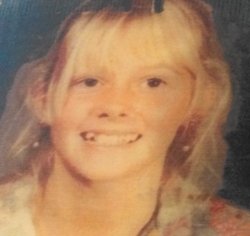
0 The Unsolved Tragedy of 12-Year-Old Georgia Crews: A Community's Lingering Heartache
A Quiet Town ShatteredIn the spring of 1980, Montverde, Florida, was a serene enclave where families felt secure, and children roamed freely without fear. This tight-knit community, with a population of just under 2,000, was the epitome of small-town tranquility. However, the peace was irrevocably disrupted on April 8, 1980, when 12-year-old Georgia Jane Crews vanished, leaving the town grappling with a profound sense of loss and uncertainty.The Day Georgia DisappearedOn that fateful evening, Georgia, a fifth-grader known for her blonde hair and brown eyes, informed her older brother, Tony, that she was heading to a nearby convenience store to purchase snacks. Barefoot and dressed in jeans and a tank top she had sewn herself in her 4H Club, Georgia left her home around 5:30 PM. The store was a familiar destination, approximately a mile away—a distance she had traversed numerous times before. As dusk settled, Tony grew anxious when Georgia didn't return promptly. He scoured the neighborhood, reaching out to friends and neighbors, but there was no trace of his sister. Their parents, Mike and Linda Crews, returned from a fishing trip to find Tony in a state of panic. The family immediately reported Georgia's disappearance to local authorities.The Intensive Search EffortThe community's response was swift and heartfelt. By midnight, hundreds of residents had joined the search, combing through orange groves, wooded areas, and even dragging Lake Florence near the Crews' residence. Tracking dogs detected Georgia's scent along a dirt road, but the trail abruptly ended, suggesting she may have entered a vehicle. Despite the exhaustive efforts, including aerial searches and horseback patrols, no substantial leads emerged. The only peculiar observation was Georgia's loyal dog, Tiger, who persistently waited at a crossroads near their home, as if anticipating her return.Disturbing Anonymous CallsTwo days into the search, the Lake County Sheriff's Office received an unsettling anonymous phone call. The caller stated, "Hello... yeah... you know that girl that you're looking for... yeah, the twelve-year-old... yeah... she's dead," before abruptly hanging up. Similar calls were received by Georgia's grandmother and the local police chief. The origin of these calls remains unknown, and their authenticity has never been verified.The Grim DiscoveryOn April 16, 1980, a family walking through a wooded shortcut behind a K-Mart Plaza on Highway 17-92 in Fern Park, approximately 30 miles from Montverde, noticed a foul odor. Investigating further, they discovered Georgia's decomposed body lying face up among the bushes. She was still clothed in the jeans and tank top she had worn when she disappeared. Due to the advanced state of decomposition, identification was made through medical and dental records. The medical examiner determined that Georgia had been stabbed in the back. There were no signs of sexual assault, and the only item found with her was a silver-colored cross necklace.The Mysterious NecklaceThe cross necklace became a focal point in the investigation. Initially, a family friend claimed that the necklace belonged to Georgia. However, upon re-examination years later, Georgia's family asserted that they had never seen the necklace before. Described as homemade, possibly constructed from motorcycle parts, the necklace did not match Georgia's usual jewelry, which typically included a small gold pendant from her grandmother. Detectives believe that identifying the origin of this unique piece could be pivotal in solving the case.A False ConfessionIn September 1980, Albert Lara, incarcerated in Iowa for another murder, confessed to killing Georgia. He provided a detailed account of abducting a girl in Florida, but inconsistencies between his confession and the established facts of Georgia's case led investigators to dismiss his claims. Lara was known for making dubious confessions to various crimes across the country, undermining his credibility.Decades of UncertaintyOver the years, the case has remained unsolved, casting a long shadow over Montverde. Periodic reviews of the evidence have yet to yield new leads. The homemade cross necklace remains a significant, albeit enigmatic, clue. Detectives continue to hope that advancements in forensic technology or renewed public interest might one day bring closure to Georgia's family and the community.A Community's Enduring GriefThe tragic loss of Georgia Crews profoundly impacted Montverde, shattering the town's sense of security. Residents who remember the events of 1980 still speak of the fear and sorrow that permeated the community. The case serves as a somber reminder of the fragility of innocence and the enduring hope for justice.A Plea for Information Authorities urge anyone with information regarding the murder of Georgia Jane Crews to come forward. Even the smallest detail could prove crucial in solving this decades-old mystery. Individuals with information are encouraged to contact the Seminole County Sheriff's Office at 407-665-6600.

0 A Night Deposit Turned Deadly: The Unsolved Murder of Suzanne Powell in Gainesville
A Routine Task Ends in TragedyOn the night of December 29, 1979, 20-year-old Suzanne Powell, a University of Florida student, was performing a routine duty as part of her job at the Majik Market convenience store located at 4105 NW 13th Street in Gainesville, Florida. Tasked with making the nightly deposit, Suzanne drove to the Atlantic Bank at 3838 NW 13th Street (now known as Wells Fargo). As she approached the night deposit box around 12:05 a.m., a sudden and violent act shattered the normalcy of her evening—a shotgun blast tore through her windshield, fatally wounding her. Discovery of the CrimeThe tranquility of the early morning hours was disrupted when two female customers arrived at the bank and stumbled upon a horrifying scene. Suzanne's lifeless body was found lying on the ground beside her vehicle, with financial documents from the store scattered around her. The immediate area bore the signs of a swift and brutal attack, leaving the community in shock and mourning the loss of a young woman described as dedicated and hardworking. Initial Investigations and SuspectsIn the aftermath of the murder, law enforcement agencies launched an intensive investigation to identify and apprehend the perpetrator. Early leads pointed towards two individuals: Readus Sheperd and Thomas E. Willard, both escaped prisoners at the time. An anonymous jailhouse informant implicated them in the crime, suggesting their involvement. However, the case against them lacked concrete evidence, relying solely on the informant's testimony. This absence of physical proof meant that authorities could not definitively link Sheperd and Willard to Suzanne's murder, and the case remained unresolved. A Family's Unending GriefThe impact of Suzanne's tragic death rippled through her family, leaving an indelible mark of sorrow and loss. Her sister, Wendy Powell, recounted the harrowing experience of learning about Suzanne's death, describing the moment as a "horrible knock on the door" that forever changed their lives. The family's grief was compounded by the haunting presence of Suzanne's car—the very vehicle in which she was killed. Wendy inherited the car, and driving it served as a constant, painful reminder of the tragedy until it eventually broke down about a year later. The Case Grows ColdDespite the initial flurry of investigative activity, the case gradually grew cold due to a lack of new leads and tangible evidence. The community's hope for justice dimmed as years passed without significant developments. The Gainesville Police Department continued to keep the case open, urging anyone with information to come forward, but the trail remained elusive, and Suzanne's murder became one of the many unsolved cases that haunt the city. Renewed Efforts and Public AppealsIn an effort to breathe new life into the investigation, the City of Gainesville has offered a reward of up to $10,000 for information leading to the arrest and conviction of the person or persons responsible for Suzanne Powell's death. Detectives have made public appeals, emphasizing that even the smallest piece of information could prove pivotal in solving the case. The community is reminded that cold cases can be solved with the help of public cooperation and advancements in forensic technology. A Sister's Plea for ClosureWendy Powell has been vocal in her desire for justice and closure. Reflecting on the decades that have passed since her sister's murder, she emphasizes the importance of keeping Suzanne's memory alive and the case in the public eye. Wendy's advocacy underscores the enduring pain experienced by families of unsolved homicide victims and serves as a poignant reminder of the human toll behind cold case statistics. The Importance of Community InvolvementThe unresolved nature of Suzanne Powell's murder highlights the critical role that community involvement plays in solving cold cases. Law enforcement agencies often rely on tips from the public to uncover new leads. Individuals with any information, no matter how insignificant it may seem, are encouraged to contact Detective Martin Honeycutt with the Gainesville Police Department at (352) 393-7615 or via email at honeycutml@cityofgainesville.org. Collective efforts can bring justice to victims and their families, and potentially prevent future tragedies. Remembering Suzanne Powell As time marches on, the memory of Suzanne Powell endures in the hearts of her family, friends, and the Gainesville community. Her story serves as a somber reminder of the fragility of life and the profound impact of violence on society. Efforts to solve her case continue, driven by a commitment to honor her memory and bring her killer to justice. The pursuit of answers remains steadfast, fueled by the hope that one day, Suzanne's family will find the closure they have sought for so long.