
 Account
Categories

0 The Unsolved Murder of Nicole Weis: A Cold Case Revisited
A Grisly Discovery in San DiegoIn the early hours of January 24, 2000, San Diego firefighters responded to reports of a fire in the parking lot of the College Avenue Baptist Church, located at 4747 College Avenue. Upon arrival, they discovered a body engulfed in flames, wrapped in cardboard secured with rope. The victim's hands and a portion of her left calf were missing, presumably removed to hinder identification. Initial investigations revealed that the woman had been stabbed and strangled before being set ablaze. Despite efforts, she remained unidentified for nearly two decades. The Breakthrough: Identifying Nicole WeisIn 2019, the San Diego Police Department sought the expertise of investigative genetic genealogist Barbara Rae-Venter. By uploading a DNA sample from the victim to an ancestry database, they identified a match: Glen Stevenson, a man who had been adopted as a child and was searching for his biological family. This connection led investigators to Nicole's half-sister, Kimberly Beach, in Michigan. Beach recounted that Nicole had moved to the West Coast in the late 1990s and lost contact with her family. Through these familial ties, the victim was conclusively identified as 21-year-old Nicole Weis. A Family's Heartache and Plea for JusticeThe revelation of Nicole's identity brought both closure and renewed anguish to her family. Kimberly Beach described her sister as a "beautiful girl" and expressed deep sorrow over the brutal nature of her death. The family had long suspected something was amiss due to the prolonged silence but were unprepared for the horrific details of Nicole's murder. Beach and Stevenson, now connected through this tragic event, have made public appeals for anyone with information to come forward, emphasizing the family's enduring pain and desire for justice. The Ongoing InvestigationWith Nicole's identity established, the San Diego Police Department's Homicide Cold Case Unit has renewed efforts to solve the case. Detectives are particularly interested in information about Nicole's activities and acquaintances during her time in Los Angeles before her death. They believe that understanding her lifestyle and connections could provide crucial leads. The department has urged anyone who knew Nicole or possesses relevant information to contact them, highlighting that even seemingly minor details could be pivotal in advancing the investigation. The Role of Genetic Genealogy in Cold CasesThe identification of Nicole Weis underscores the transformative impact of genetic genealogy in resolving cold cases. By leveraging DNA databases and genealogical research, investigators can trace familial connections that were previously inaccessible. This method has not only provided answers to long-standing mysteries but has also offered solace to families by restoring the identities of their loved ones. The success in Nicole's case exemplifies the potential of this investigative tool in modern law enforcement. A Community's Call to ActionThe San Diego community, along with Nicole's family, continues to seek closure and justice. Authorities have emphasized the importance of public involvement, noting that community members may hold key information, whether they realize it or not. The case serves as a poignant reminder of the collective responsibility to support victims and aid in the pursuit of justice. As the investigation progresses, the hope remains that those with knowledge will come forward to help bring resolution to this tragic chapter. ConclusionThe unsolved murder of Nicole Weis stands as a testament to the enduring impact of violent crime on families and communities. While advancements in forensic science have shed light on her identity, the quest to uncover the circumstances surrounding her death continues. Through collaborative efforts between law enforcement and the public, there remains hope that justice for Nicole will ultimately be achieved.For those with any information related to this case, please contact the San Diego Police Department's Homicide Unit at 619-531-2293 or report anonymously to San Diego County Crime Stoppers at 888-580-8477.

0 The Unsolved Murder of Esteban Zavala: A Cold Case from Apple Valley
Discovery of the Crime SceneOn September 18, 1999, the quiet community of Apple Valley, California, was shaken by a grim discovery. The lifeless body of Esteban Zavala, a Hispanic male, was found abandoned on Quarry Road near Central Road. The circumstances of his death indicated a violent end, with evidence suggesting that Zavala had been murdered elsewhere and his body callously dumped at this remote location. This heinous act not only disturbed the local residents but also posed a significant challenge to law enforcement agencies striving to piece together the events leading up to this tragedy.Connections and RelationshipsInvestigations into Zavala's personal life revealed ties to Gennie Gallardo and her family members residing in nearby Victorville. This connection prompted detectives to delve deeper into his associations, aiming to uncover any potential motives or suspects linked to his social circle. Despite these efforts, the relationship between Zavala and the Gallardo family did not yield substantial leads, leaving investigators with more questions than answers.Challenges in the InvestigationThe early stages of the investigation were fraught with difficulties. The lack of eyewitnesses and minimal physical evidence at the scene hindered progress. Additionally, the remote location where Zavala's body was discovered offered little in terms of surveillance or potential informants. These obstacles compounded the complexity of the case, making it challenging for detectives to reconstruct the events that culminated in Zavala's untimely death.Community Impact and ResponseThe murder of Esteban Zavala sent ripples of fear and uncertainty throughout Apple Valley and its neighboring communities. Residents grappled with the reality of such a violent crime occurring in their midst, leading to heightened concerns about safety and trust. Community meetings were convened, and local law enforcement agencies urged citizens to come forward with any information that might assist in solving the case. Despite these appeals, the flow of actionable intelligence remained sparse.The Passage of TimeAs the years rolled on, the case of Esteban Zavala gradually transitioned into the realm of cold cases. Periodic reviews and renewed investigative efforts were undertaken, but each attempt failed to unearth new evidence or viable leads. The passage of time also meant that memories faded, potential witnesses relocated, and physical evidence deteriorated, further complicating the pursuit of justice for Zavala.Current Status and Call for Information To this day, the murder of Esteban Zavala remains unsolved. The San Bernardino County Sheriff's Department continues to seek information that could shed light on this cold case. They urge anyone with knowledge pertaining to the crime to contact the Sheriff's Homicide Detail at (909) 387-3589 or reach out anonymously through WE TIP at 1-800-78-CRIME. The hope persists that even after all these years, someone somewhere holds a piece of information that could finally bring closure to this enduring mystery.
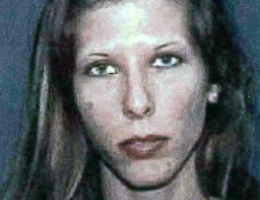
0 The Unsolved Murder of Diane Marie Ayres: A Cold Case That Still Haunts San Diego
A Tragic Discovery in Balboa ParkOn September 4, 1999, the serene ambiance of San Diego's Balboa Park was shattered by a grim discovery. In a remote section of the 1800 block of Golf Course Drive, the lifeless body of 23-year-old Diane Marie Ayres was found. She was discovered nude, having been strangled, and it appeared that her body had been callously dumped at the location. This tragic event marked the beginning of a complex and heart-wrenching investigation that, to this day, remains unresolved.Diane's Life and AspirationsDiane resided with her mother at 3036 Hawthorn Street, #14, in the South Park neighborhood of San Diego. Described by those who knew her as a young woman with aspirations, Diane was on the cusp of significant personal growth. Tony Johnson, a retired senior investigator with the San Diego County District Attorney’s Office, noted that Diane was "moving up in life," with hopes of joining the California Conservation Corps. Her evenings often included visits to country line dancing bars, a testament to her vibrant social life and love for dance.The Night She DisappearedThe events leading up to Diane's untimely death began when she left her apartment one evening in early September 1999, intending to "go out for the evening." Without access to a personal vehicle or driver's license, Diane typically relied on public transportation or the generosity of friends for rides. Tragically, she never returned home that night. Her absence went unreported for an extended period, a delay that would later prove detrimental to the investigation.The Crime Scene and Initial InvestigationWhen Diane's body was discovered, investigators were immediately confronted with a perplexing scene. She was found lying face down, nude, with only a single sock on her left foot. Despite the state of undress, there were no immediate signs of sexual assault. The location where her body was found suggested that she had been killed elsewhere and transported to the park. Tire tracks near the scene and unidentified fibers on her body were among the few pieces of physical evidence collected. However, the lack of immediate leads and the delayed identification of her body posed significant challenges to the investigative team.Challenges in the InvestigationOne of the most significant hurdles in the case was the time it took to identify Diane's body. It wasn't until two months after her death that a friend recognized her, a delay that Tony Johnson described as crippling to the investigation. "The important leads and information exist in the first few days of the case," he lamented. This prolonged period before identification meant that potential witnesses' memories had faded, and crucial evidence may have been lost or overlooked.A Glimmer of Hope: DNA EvidenceIn the years following the initial investigation, advancements in forensic technology offered a renewed sense of hope. Notably, a sock found on Diane's body yielded a DNA sample containing a mixture of two individuals: Diane and an unidentified male. This discovery has been pivotal, as it provides a tangible lead that could potentially identify the perpetrator. Investigators have expressed optimism that this DNA evidence, combined with modern forensic techniques, could eventually lead to a breakthrough in the case.A Mother's Unyielding Pursuit of JusticeDiane's mother has been a steadfast advocate in the quest for justice for her daughter. Nearly a quarter-century after the tragic loss, she continues to seek answers and closure. The pain of losing a child is immeasurable, and the added burden of an unsolved case only amplifies the anguish. The investigative team shares in her determination, with Tony Johnson emphasizing, "Our heart goes out to the mom; we feel terrible about this. The only thing we can do is maybe solve the case."The Broader Context of Cold Cases in San DiegoDiane's case is one of many unsolved homicides that haunt the San Diego area. Over the years, several cold cases have been revisited with the hope that new technologies and methodologies might shed light on these enduring mysteries. The San Diego Police Department maintains a dedicated Cold Case Unit that tirelessly works to bring resolution to families affected by such tragedies. Each case, including Diane's, serves as a somber reminder of the importance of persistence, community involvement, and the continual evolution of investigative techniques.A Community's Role in Seeking JusticeThe resolution of cold cases often hinges on the collective efforts of law enforcement and the community. Memories, no matter how old, can be crucial. Individuals who may have encountered Diane in her final days or witnessed suspicious activities in the area are urged to come forward. Even seemingly insignificant details can prove instrumental in piecing together the events leading up to her death. The San Diego Police Department encourages anyone with information to contact their Homicide Unit or the Crime Stoppers hotline, ensuring that tips can be provided anonymously if desired.The Ongoing Quest for ClosureAs the years pass, the commitment to solving Diane's murder remains unwavering. Advances in DNA analysis and forensic science continue to offer hope that new evidence or re-examination of existing samples may lead to the identification of the perpetrator. For Diane's family, friends, and the broader San Diego community, the pursuit of justice is a testament to the enduring impact of her life and the collective resolve to ensure that her story does not fade into obscurity.Conclusion The unsolved murder of Diane Marie Ayres is a poignant example of the challenges inherent in cold case investigations. It underscores the necessity for timely reporting, community engagement, and the relentless pursuit of justice by law enforcement. As technology progresses and new information emerges, there remains hope that those responsible for this heinous act will be brought to justice, providing closure to a grieving family and a community that continues to remember Diane's vibrant spirit.

0 The Unsolved Murder of Linda Chavez: A Cold Case in Riverside
Discovery of the Crime SceneIn the early afternoon of September 1, 1999, a worker made a grim discovery in the orange groves near the intersection of Tyler and Victoria Avenues in Riverside, California. The badly burned body of a young woman was found, later identified as 23-year-old Linda Chavez from Compton, California. This shocking find marked the beginning of a complex and, to date, unsolved murder investigation.Linda Chavez's BackgroundLinda Chavez was a resident of Compton, a city located in the southern region of Los Angeles County. Details about her personal life, including her family background, occupation, and social circles, remain scarce. What is known is that she was last seen alive on August 27, 1999, in Compton. The circumstances surrounding her activities and interactions leading up to her disappearance are still a mystery.The Investigation BeginsFollowing the discovery of Linda's body, the Riverside Police Department launched an extensive investigation. Detectives faced the immediate challenge of identifying the victim due to the condition of the remains. Once identified, the focus shifted to retracing Linda's steps from her last known sighting in Compton to the orange groves in Riverside where she was found. This 60-mile distance raised numerous questions about how and why she ended up in Riverside.Challenges in the CaseSeveral factors have contributed to the difficulties in solving Linda Chavez's murder. The burning of her body likely destroyed critical forensic evidence that could have provided leads. Additionally, the lack of witnesses and limited information about her acquaintances or potential enemies has hindered progress. The gap between her last known location and the discovery site adds another layer of complexity, suggesting she may have been transported against her will.Appeals for Public AssistanceOver the years, the Riverside Police Department has periodically renewed calls for public assistance in solving this case. They have urged anyone with information, no matter how insignificant it may seem, to come forward. The hope is that someone, somewhere, holds a piece of information that could break the case open and lead to justice for Linda Chavez.The Role of the Cold Case UnitThe Homicide Cold Case Unit of the Riverside Police Department specializes in investigating unresolved homicides like that of Linda Chavez. Detectives meticulously review such cases, evaluating whether advancements in DNA technology and other forensic techniques could lead to new insights. They also attempt to identify, locate, and interview witnesses who may have been overlooked or were unavailable during the initial investigation.Advancements in Forensic TechnologySince 1999, forensic science has made significant strides, particularly in DNA analysis. Cold case units across the country have successfully utilized these advancements to solve decades-old crimes. In Linda's case, any preserved evidence, such as hair, fibers, or trace DNA, could potentially be re-examined with modern techniques to identify a suspect.Community Impact and ReflectionThe murder of Linda Chavez has left a lasting impact on both her community in Compton and the residents of Riverside. Such a brutal and unresolved crime fosters a sense of unease and highlights the importance of community involvement in assisting law enforcement. It serves as a stark reminder of the work that remains in bringing closure to victims' families and ensuring public safety.Continuing the Pursuit of JusticeDespite the passage of time, the commitment to solving Linda Chavez's murder remains steadfast. Law enforcement agencies continue to encourage anyone with information to come forward. The case underscores the enduring dedication to seeking justice for victims and holding perpetrators accountable, no matter how much time has elapsed.How You Can Help If you have any information regarding the murder of Linda Chavez, you are urged to contact the Riverside Police Department's Homicide Cold Case Unit. Even the smallest detail could prove pivotal in solving this case and bringing peace to those affected by this tragedy.

0 The Unsolved Murder of Jurgen "Yo" Knemeyer: A Cold Case from Mendocino County
Discovery of the Crime SceneOn August 14, 1999, at approximately 12:30 PM, a Mendocino County Sheriff's Deputy responded to a welfare check at the residence of Jurgen "Yo" Knemeyer in Willits, California. A concerned neighbor had reported that the back door of Knemeyer's home on Hill Top Road had been open since 3:00 AM, with interior lights remaining on—a situation that seemed unusual and alarming. Upon entering the residence, the deputy discovered Knemeyer's lifeless body, bearing clear signs of homicide. The scene marked the beginning of an investigation into a murder that remains unsolved to this day. Victim Background and Last Known ContactJurgen "Yo" Knemeyer was a 56-year-old man at the time of his death. Standing 5 feet 9 inches tall and weighing 185 pounds, he had gray hair and hazel eyes. Originally from Germany, Knemeyer became a naturalized American citizen around 1960 or 1961. He had resided in the Willits area for approximately two decades, living a life that, to many neighbors, appeared quiet and unassuming. The last known contact with Knemeyer was on August 12, 1999, at 9:30 PM, when he spoke with a family member. This timeline suggests that the homicide occurred between that evening and the early hours of August 13. Investigation and Crime Scene FindingsThe initial investigation revealed that Knemeyer had suffered fatal injuries consistent with a violent assault. While processing the crime scene, detectives discovered an active marijuana cultivation operation on the property. At the time, the cultivation of marijuana was illegal in California, leading investigators to consider the possibility that the homicide was connected to illicit drug activities. However, no definitive motive has been established, and the case remains open without any arrests. Community Impact and Ongoing EffortsThe murder of Jurgen Knemeyer sent shockwaves through the small community of Willits and the broader Mendocino County area. Residents, unaccustomed to such violent crimes, were left with a lingering sense of unease. Over the years, local authorities have continued to seek information that could lead to a breakthrough in the case. The Mendocino County Sheriff's Office has maintained an open line for tips, encouraging anyone with information to come forward. Despite these efforts, the case remains unsolved, and the community still seeks closure for the tragic loss of one of its members. Call to Action As with many cold cases, the passage of time can either obscure the truth or bring new information to light. Advancements in forensic technology and renewed public interest have the potential to unearth details that were previously overlooked. The Mendocino County Sheriff's Office continues to urge anyone with information regarding the murder of Jurgen "Yo" Knemeyer to contact their tip line at 707-234-2100. Even the smallest piece of information could prove pivotal in solving this enduring mystery and bringing justice to Knemeyer's family and the community.

0 The Unsolved Murder of Susan Eleanor Cohen: A Cold Case That Still Haunts San Diego
Discovery of the Crime SceneOn the morning of February 26, 1999, San Diego police officers responded to reports of a foul odor emanating from a parked Dodge van on the 3800 block of Riley Street. Upon entering the vehicle, they discovered the lifeless body of 53-year-old Susan Eleanor Cohen. The medical examiner determined that Cohen had been strangled to death. Witnesses reported that the van had remained in the same location for at least two weeks prior to the discovery, during which time several young white females and a dark-complected male, possibly of Middle Eastern descent, were seen loitering near the vehicle on multiple occasions. Background of the VictimSusan Cohen, known affectionately as "Susie" among her acquaintances, had deep roots in the Ocean Beach and Imperial Beach communities of San Diego. For many years, she navigated a transient lifestyle, sometimes living on the streets, other times staying with friends or residing in vehicles. Despite the instability, Cohen maintained a presence in these neighborhoods, forging connections with various individuals. Lifestyle and AssociationsCohen was a familiar face at local establishments, particularly the Viejas Indian Casino and the Sycuan Gaming Casino, where she and her friends were regular visitors. Her social circle extended into the fringes of the drug world; she occasionally used methamphetamine and was known to deal in small quantities. This peripheral involvement in illicit activities may have introduced her to individuals who could have played a role in her untimely death. Investigation and Witness AccountsThe initial investigation into Cohen's murder faced significant challenges. The two-week period during which the van remained parked on Riley Street allowed potential evidence to degrade and made pinpointing the exact time of death difficult. Witnesses recalled seeing several young white females and a dark-complected male near the van during this time frame. The male individual was described as possibly being of Middle Eastern descent. Despite these observations, no concrete leads emerged, and the identities of these individuals remain unknown. Challenges in Solving the CaseSeveral factors have contributed to the enduring mystery surrounding Susan Cohen's murder. Her transient lifestyle and associations with individuals involved in illicit activities complicated the investigation, as it was difficult to trace her movements and interactions leading up to her death. Additionally, the delay in discovering her body resulted in the loss of critical forensic evidence that might have been available had the crime scene been secured earlier. Current Status and Appeal for InformationAs of today, the murder of Susan Eleanor Cohen remains an open and unsolved case within the San Diego Police Department's Cold Case Unit. Law enforcement continues to seek information that could lead to the identification and apprehension of those responsible for her death. Individuals with any knowledge related to the case are urged to contact the San Diego Police Department's Homicide Unit at 619-531-2293. For those wishing to remain anonymous, tips can be submitted to Crime Stoppers at 888-580-8477 or through their online platform. Conclusion The tragic death of Susan Cohen serves as a somber reminder of the vulnerabilities faced by individuals leading transient lifestyles. Despite the passage of over two decades, the hope remains that someone, somewhere, holds the key to unlocking the mystery of her murder. The San Diego community and law enforcement agencies continue to seek justice for Susan, striving to bring closure to a case that has long haunted those who knew her.

0 The Unsolved Murder of Teresa Madrigal: A Cold Case That Still Haunts Poway
A Routine Errand Turns TragicOn February 23, 1999, 33-year-old Teresa Gomez Madrigal left her Riverside home to run a simple errand: grocery shopping. As a devoted mother of four, such tasks were part of her daily routine. However, this day would deviate horrifically from the norm, as Teresa never returned home. Her sudden disappearance sent ripples of fear and confusion through her family and community.A Grim Discovery Near Lake PowayThe following day, February 24, Teresa's lifeless body was discovered near the entrance to Lake Poway, over 60 miles from her residence. She had been fatally shot and was found wearing only her undergarments, a detail that added a chilling layer to the crime. The location of her body, just feet from a well-traveled road, suggested a blatant disregard for concealment, puzzling investigators and intensifying the community's distress.Delayed Identification Complicates the CaseIdentifying Teresa's body proved challenging. Her fingerprints were not on record, and complicating matters further, her boyfriend did not report her missing until five days after her disappearance. It wasn't until ten days post-discovery that authorities could confirm the body as Teresa's. This delay hindered early investigative efforts, potentially allowing crucial evidence to dissipate and suspects to evade detection.Abandoned Vehicle Yields Disturbing CluesOn March 4, 1999, Teresa's 1993 Toyota Camry was located abandoned in a parking lot seven miles from her Riverside home. The vehicle's interior painted a gruesome picture: the back seat was soaked in blood, and a bullet hole pierced the roof. These findings suggested that Teresa may have been attacked inside her car, enduring a violent struggle before her body was discarded miles away.A Family's Unyielding Quest for JusticeIn the years following the murder, Teresa's family, especially her children, have grappled with immense grief and a relentless desire for answers. Her daughter, who was only 11 at the time of the murder, has been particularly vocal, pleading with the public for any information that could lead to her mother's killer. Despite the passage of time, the family's hope for justice remains undiminished, underscoring the enduring pain of unresolved loss.Renewed Efforts and a Substantial RewardIn a significant development, Governor Gavin Newsom announced a $50,000 reward in 2019 for information leading to the arrest and conviction of those responsible for Teresa's murder. This reward aimed to reignite public interest and encourage individuals with pertinent information to come forward. Additionally, San Diego County Crime Stoppers has offered up to $1,000 for tips that could crack the case. These incentives reflect the authorities' commitment to resolving this cold case and bringing closure to Teresa's family.A Community's Role in Seeking ClosureThe murder of Teresa Madrigal remains a haunting chapter in Poway's history. The community's collective memory of the crime serves as a reminder of the importance of vigilance and cooperation with law enforcement. Authorities continue to urge anyone with information, no matter how insignificant it may seem, to come forward. Even the smallest detail could prove pivotal in solving this decades-old mystery and delivering justice for Teresa and her loved ones.Conclusion: The Unresolved Tragedy Lingers More than two decades have passed since Teresa Madrigal's life was brutally taken, yet her case remains unsolved. The pain endured by her family and the community's lingering unease highlight the profound impact of unresolved violent crimes. As advancements in forensic technology and investigative methods continue, there remains hope that Teresa's murderer will be identified and held accountable, providing the long-awaited closure that her family deserves.

0 The Unsolved Murder of John Dalton: A Cold Case from Phelan
A Quiet Community ShakenPhelan, a small, unincorporated community in San Bernardino County, California, is known for its tranquil desert landscapes and tight-knit residents. Nestled in the High Desert region, Phelan offers a peaceful retreat from the hustle and bustle of city life. However, on February 2, 1999, this serenity was shattered by a violent crime that remains unsolved to this day: the murder of John Dalton.The Crime SceneOn that fateful day, authorities discovered John Dalton shot to death inside his trailer on Smoke Tree Road in Phelan. The details surrounding the incident were sparse, with no immediate suspects or clear motives emerging from the initial investigation. The violent nature of the crime sent shockwaves through the community, leaving residents in fear and demanding answers.Potential Links to Outlaw Motorcycle GangsAs investigators delved deeper into Dalton's background and associations, a potential lead emerged. It was suggested that his murder might be connected to activities involving outlaw motorcycle gangs. These organizations, often associated with criminal enterprises, have been known to operate in various parts of California, including the High Desert region. The possibility of such a connection added a layer of complexity to the case, introducing potential motives related to gang affiliations or disputes.Challenges in the InvestigationDespite this lead, the investigation faced numerous challenges. The clandestine nature of outlaw motorcycle gangs made it difficult for law enforcement to infiltrate their ranks or gather credible intelligence. Additionally, the lack of eyewitnesses and physical evidence at the crime scene hindered the progress of the case. Over time, as leads grew cold and new information became scarce, the momentum of the investigation slowed.A Community's Unanswered QuestionsMore than two decades have passed since John Dalton's murder, yet the case remains unsolved. For the residents of Phelan, the lack of closure continues to cast a shadow over their community. Theories and rumors may circulate, but without concrete evidence or breakthroughs, the truth behind Dalton's death remains elusive.Appeal for InformationThe San Bernardino County Sheriff's Department continues to seek information that could lead to a resolution of this case. They urge anyone with knowledge related to John Dalton's murder to come forward, emphasizing that even the smallest detail could prove pivotal. Individuals can contact the Sheriff's Homicide Detail at (909) 387-3589 or provide information anonymously through WE TIP at 1-800-78-CRIME.The Importance of Revisiting Cold CasesWhile time can often be an obstacle in solving crimes, it can also bring new opportunities. Advances in forensic technology, changes in relationships, or newfound willingness of witnesses to speak can all contribute to breakthroughs in cold cases. The unresolved murder of John Dalton serves as a reminder of the importance of persistence in seeking justice and the role that community involvement plays in aiding law enforcement efforts.Conclusion The tragic death of John Dalton remains a painful mystery for his loved ones and the Phelan community. As the years pass, the hope for answers endures. By keeping the memory of the case alive and encouraging open dialogue, there remains a possibility that one day, justice will be served, and the questions surrounding that fateful day in 1999 will finally be answered.

0 The Unsolved Murder of Valerie Schultz: A Tragic Chapter in Pittsburg's History
IntroductionIn the late 1990s, the city of Pittsburg, California, was gripped by a series of tragic events that left the community in fear and mourning. Among these was the unsolved murder of 27-year-old Valerie Dawn "China" Schultz, whose life was brutally cut short in early 1999. Her death, along with several others, remains a haunting mystery that continues to perplex investigators and residents alike.Valerie Schultz's BackgroundValerie Schultz, affectionately known as "China," had a transient lifestyle marked by periods of instability. Between 1991 and 1994, she resided in Bay Point, California, during which time she faced legal troubles, including an arrest for prostitution. Seeking a fresh start, Valerie relocated to Waubun, Minnesota, in 1994. However, in early January 1999, she returned to the Pittsburg area, checking into a local motel just a week before her untimely death. The reasons for her return remain unclear, but it is evident that she was attempting to navigate a challenging period in her life.Discovery of the CrimeOn January 8, 1999, a passerby made a grim discovery: Valerie's lifeless body was found in a ditch along West 10th Street and Builders Circle, near the PG&E power plant, just outside Pittsburg's city limits. The location, an industrial area, was eerily close to where other victims had been found in the preceding months. An autopsy revealed that Valerie had suffered multiple stab wounds and showed signs of strangulation, indicating a violent and personal attack. The brutality of the crime sent shockwaves through the community and intensified fears of a serial predator targeting women in the area.Connection to Other MurdersValerie's murder was not an isolated incident. Between November 1998 and January 1999, Pittsburg witnessed a spate of homicides, primarily involving young women with histories of prostitution. The victims included: Jessica Frederick (27): Found stabbed to death near an auto wrecking yard on December 5, 1998. Rachael Cruise (32): Discovered strangled in a ditch off California Avenue on December 15, 1998. Tammie Davis (38): Survived a brutal beating on December 15, 1998, and was found in a portable toilet in Bay Point. The proximity of the crime scenes and the similarities in the victims' profiles led authorities to consider the possibility of a serial killer operating in the area. However, despite extensive investigations, no definitive links were established, and the cases remain unsolved.Investigation and ChallengesThe investigation into Valerie's murder faced numerous challenges. Witnesses reported seeing her enter a four-door car with faded brown paint and a noisy muffler shortly before her death. The driver was described as a dark-skinned male, possibly of Hispanic or Samoan descent, aged between 30 and 40, with thick, wavy hair. Despite this lead, authorities were unable to identify the individual or the vehicle. The lack of physical evidence, combined with the transient lifestyles of the victims, made it difficult to trace their final movements or identify potential suspects.Community ImpactThe series of unsolved murders, including Valerie's, cast a long shadow over the Pittsburg community. Residents, particularly women, expressed heightened fears for their safety. Many altered their daily routines, avoiding certain areas and refraining from walking alone at night. The local authorities faced mounting pressure to solve the cases and restore a sense of security. Community leaders and organizations held vigils and marches, aiming to raise awareness and encourage anyone with information to come forward.Ongoing Efforts and Hope for ResolutionMore than two decades have passed since Valerie Schultz's murder, yet the case remains open. Advancements in forensic technology, particularly DNA analysis, offer a glimmer of hope that new evidence could emerge. Law enforcement agencies continue to encourage individuals with any information, no matter how insignificant it may seem, to come forward. The persistence of investigators and the community's commitment to seeking justice underscore a collective hope that Valerie's killer, along with those responsible for the other unsolved murders, will one day be brought to justice.Conclusion The tragic and unsolved murder of Valerie Dawn "China" Schultz remains a poignant reminder of the fragility of life and the enduring impact of violence on a community. As Pittsburg continues to grow and evolve, the memory of Valerie and the other victims persists, fueling a relentless pursuit of truth and justice. Their stories serve as a call to action, urging society to protect its most vulnerable members and to never forget those whose lives were unjustly taken.

0 The Unresolved Tragedy of Richard Garcia: A Fort Worth Cold Case
A Promising Life Cut ShortOn November 22, 1991, the life of 17-year-old Richard Garcia was tragically ended during a party at 1826 May Street in Fort Worth, Texas. Richard, a Hispanic male with a bright future ahead, was among friends when an unforeseen altercation escalated into violence.The Fateful NightThe gathering at the May Street residence was intended to be a festive occasion. As attendees socialized both inside and outside the home, an unfamiliar vehicle approached. An occupant of the car engaged in a heated argument with one of the partygoers. The confrontation quickly turned deadly when shots were fired, fatally wounding Richard Garcia. The assailant fled the scene, leaving chaos and grief in their wake.A Community in MourningRichard's untimely death sent shockwaves through the Fort Worth community. Family, friends, and neighbors were left grappling with the senselessness of the violence. Vigils were held, and calls for justice echoed throughout the city. Despite the outpouring of support and the efforts of law enforcement, leads were scarce, and the case gradually grew cold.The Cold Case Unit's EndeavorsThe Fort Worth Police Department's Cold Case Unit, a division dedicated to unsolved homicides, took on Richard's case as part of their extensive portfolio. With approximately 1,000 unsolved cases dating back to the 1950s, the unit faces significant challenges, including limited staffing and resources. As of recent reports, the unit comprises one full-time detective and two part-time reserve officers, each juggling numerous cases in the pursuit of justice.Challenges in Pursuing JusticeThe passage of time has compounded the difficulties in solving Richard's murder. Witness memories have faded, potential evidence may have been lost or degraded, and individuals with crucial information might be reluctant to come forward. The Cold Case Unit continues to review the case periodically, hoping that advancements in forensic technology or new witness testimonies might provide the breakthrough needed.A Plea for InformationThe Fort Worth Police Department urges anyone with information regarding Richard Garcia's murder to come forward. Even the smallest detail could prove pivotal in solving the case. Individuals can contact Detective John Galloway at 817-392-4307 or Detective Jeff Bennett at 817-392-4308. Tips can also be submitted via email to coldcase@fortworthpd.com. The community's assistance remains invaluable in the quest for justice.Remembering Richard Garcia As years pass, the memory of Richard Garcia endures in the hearts of those who knew him. His story serves as a poignant reminder of the impact of unresolved violence and the importance of community involvement in seeking justice. The hope persists that one day, answers will emerge, providing closure to Richard's loved ones and reaffirming the community's commitment to justice.