
 Account
Categories

0 The Echoes of Jonestown: A Deep Dive into the Tragedy that Shook the World
The Genesis of the Peoples TempleThe story of Jonestown begins with the establishment of the Peoples Temple in the 1950s by Jim Jones, a charismatic preacher from Indiana. Initially, the church was rooted in Christian teachings and social justice, attracting a diverse congregation committed to racial equality and communal living. Jones's progressive ideals resonated with many, leading to the rapid growth of the church, which eventually relocated to California in search of a more receptive environment for its inclusive message. Jim Jones: The Man Behind the MovementJim Jones was a complex figure whose early life was marked by a fascination with religion and a desire for social reform. His ability to inspire and mobilize people was evident in his sermons, which combined elements of Christianity with socialist ideology. However, as his influence grew, so did his authoritarian tendencies. Jones began to exert increasing control over his followers, demanding absolute loyalty and obedience, which set the stage for the eventual descent into tragedy. The Move to Guyana: Seeking UtopiaIn the mid-1970s, facing mounting scrutiny and allegations of misconduct, Jones sought to establish a new community where his vision could flourish unimpeded. He chose a remote area in Guyana, South America, to build what he called the Peoples Temple Agricultural Project, later known as Jonestown. This settlement was intended to be a self-sufficient utopia, free from the perceived corruption and oppression of American society. Life in Jonestown: From Dream to NightmareInitially, life in Jonestown appeared to embody the ideals of communal living and equality. However, the reality was far more grim. Residents were subjected to grueling labor, inadequate medical care, and constant surveillance. Jones's paranoia intensified, leading to the implementation of "White Nights," during which followers rehearsed mass suicide drills. The community became increasingly isolated, and dissent was met with harsh punishment, creating an atmosphere of fear and repression. Congressman Leo Ryan's Fateful VisitConcerns from relatives of Jonestown residents prompted U.S. Congressman Leo Ryan to visit the settlement in November 1978. Accompanied by journalists and concerned family members, Ryan aimed to investigate reports of abuse and coercion. Initially welcomed, the visit took a dark turn when several residents expressed a desire to leave with the delegation. As Ryan and his group prepared to depart, they were ambushed at a nearby airstrip by Temple gunmen, resulting in the deaths of Ryan and four others. The Massacre: A Community's Final MomentsFollowing the attack on Congressman Ryan, Jones convened his followers in the central pavilion and initiated what he termed "revolutionary suicide." He distributed a concoction of cyanide-laced Flavor Aid, instructing parents to administer it to their children before consuming it themselves. Some complied willingly, while others were coerced or forcibly injected. In total, 918 people perished, including over 300 children. Jones was later found dead from a gunshot wound, believed to be self-inflicted. Aftermath and Global ImpactThe Jonestown Massacre sent shockwaves around the world, prompting widespread media coverage and public outcry. It led to increased scrutiny of cults and new religious movements, as well as discussions about the psychological mechanisms of coercion and obedience. The tragedy also had a profound impact on the families of the victims and the few survivors, many of whom struggled with guilt and trauma for years to come. Legacy: Lessons Learned and RememberedDecades later, the Jonestown Massacre remains a stark reminder of the dangers of unchecked authority and blind allegiance. It has been the subject of numerous books, documentaries, and academic studies, all seeking to understand how such a catastrophe could occur. The phrase "drinking the Kool-Aid" has entered the cultural lexicon as a metaphor for uncritical acceptance of ideology, though it belies the complex and tragic reality of those who lost their lives in Jonestown. Conclusion: Reflecting on JonestownThe events of Jonestown compel us to examine the vulnerabilities that can lead individuals to surrender autonomy in pursuit of belonging and purpose. They underscore the importance of vigilance against charismatic leaders who exploit trust for nefarious ends. As we remember the victims, we are reminded of the need for compassion, critical thinking, and the safeguarding of individual freedoms to prevent such tragedies in the future.

0 The Ant Hill Kids: A Descent into Darkness—The Rise and Fall of Canada's Most Notorious Cult
**The Genesis of a False ProphetBorn on May 16, 1947, in Saint-Épiphane, Quebec, Roch Thériault emerged from a devout Catholic household. Despite being recognized for his intelligence, he left school in the seventh grade and immersed himself in the Old Testament, developing a fascination with apocalyptic themes. In 1977, Thériault joined the Seventh-day Adventist Church, embracing its emphasis on healthy living and end-times prophecy. However, his radical interpretations and authoritarian demeanor led to his expulsion from the church within a year .Formation of the Ant Hill KidsFollowing his departure from the Adventist Church, Thériault proclaimed himself a prophet, adopting the name "Moïse" (French for Moses). He persuaded a group of followers to abandon their previous lives and join him in establishing a commune in Sainte-Marie, Quebec. In 1978, anticipating an imminent apocalypse, the group relocated to a remote mountainside in the Gaspé Peninsula, which Thériault dubbed "Eternal Mountain." There, the members constructed their settlement, and Thériault likened their industriousness to that of ants, leading to the moniker "Ant Hill Kids" .Descent into TyrannyInitially presenting the commune as a haven of equality and spiritual purity, Thériault's leadership soon devolved into despotism. He imposed strict controls over his followers, dictating their interactions, attire, and even their thoughts. Members were prohibited from speaking to each other without his presence, and any form of dissent was met with severe punishment. Thériault declared all female members as his wives, fathering at least 26 children within the commune .Escalation of AbuseAs Thériault's grip tightened, the commune became a site of unimaginable horrors. He subjected his followers to brutal physical and psychological abuse, including beatings, forced mutilations, and sexual assaults. Punishments were often arbitrary and sadistic; members were forced to break their own legs with sledgehammers, sit on lit stoves, or eat dead mice and feces. Children were not spared, enduring beatings, being nailed to trees, and subjected to other forms of torture .The Tragic Fate of Solange BoilardIn 1989, follower Solange Boilard complained of abdominal pain. Thériault, claiming divine healing powers, performed a crude and fatal surgery without anesthesia, involving physical assault and invasive procedures. Boilard died from the injuries inflicted during this ordeal. In a macabre attempt at resurrection, Thériault had her skull opened and ejaculated onto her brain, believing this act would bring her back to life. When this failed, her body was buried near the commune .Gabrielle Lavallée's Escape and the Cult's DemiseGabrielle Lavallée, one of Thériault's wives, endured years of torture, including the amputation of her arm and other severe mutilations. In 1989, she managed to escape and alert the authorities, leading to Thériault's arrest. Investigations revealed the extent of the atrocities committed within the commune. Thériault was convicted of assault and later pleaded guilty to second-degree murder for Boilard's death, receiving a life sentence .Death Behind BarsWhile serving his sentence at Dorchester Penitentiary in New Brunswick, Thériault was killed by his cellmate, Matthew Gerrard MacDonald, in 2011. MacDonald stabbed Thériault in the neck with a shiv, later surrendering to prison authorities and confessing to the murder .Legacy and ReflectionThe Ant Hill Kids cult remains one of Canada's most harrowing examples of cult abuse and manipulation. Thériault's transformation from a religious zealot to a tyrannical leader underscores the dangers of unchecked authority and blind devotion. The courage of survivors like Gabrielle Lavallée, who later penned a memoir detailing her experiences, serves as a testament to human resilience and the importance of vigilance against such destructive movements . This chilling narrative serves as a stark reminder of the potential for human cruelty under the guise of spiritual leadership and the imperative need for societal safeguards to protect the vulnerable.

0 The Dark Legacy of the Matamoros Cult Murders: A Detailed Examination
Introduction to the Matamoros Cult MurdersIn the late 1980s, the tranquil border town of Matamoros, Mexico, became the epicenter of a series of gruesome events that would shock the world. The discovery of multiple ritualistic murders, orchestrated by a drug-smuggling cult, unveiled a dark underbelly of occult practices intertwined with narcotics trafficking. This article delves deep into the origins, operations, and ultimate downfall of the Matamoros cult, shedding light on the chilling events that transpired.The Emergence of Adolfo Constanzo and His Occult PracticesAdolfo de Jesús Constanzo, born in 1962 in Miami, Florida, was introduced to Afro-Caribbean religions like Palo Mayombe and Santería at a young age. His mother believed he possessed psychic abilities, further immersing him in these spiritual practices. By the early 1980s, Constanzo had relocated to Mexico City, establishing himself as a charismatic "padrino" or godfather, offering spiritual cleansings and rituals to an elite clientele, including drug traffickers and law enforcement officials. His reputation for conducting ceremonies that promised protection and prosperity attracted a devoted following. Sara Aldrete: The Godmother's Role in the CultSara María Aldrete Villareal, known as "La Madrina" or "The Godmother," was a seemingly ordinary college student from Matamoros. Standing six feet tall, she was pursuing a degree in physical education and was known for her academic diligence. However, her life took a dark turn upon meeting Constanzo. Entranced by his charisma and promises of power, Aldrete became deeply involved in the cult's activities, eventually rising to a leadership position. She played a pivotal role in recruiting members and overseeing rituals, bridging the gap between the cult's clandestine operations and the unsuspecting local community. The Cult's Descent into Ritualistic KillingsUnder Constanzo's leadership, the cult's practices escalated from animal sacrifices to human rituals. Members believed that these ceremonies, which involved brutal torture and killings, would grant them supernatural protection, especially in their drug smuggling endeavors. Victims, often rival traffickers or individuals lured under false pretenses, were subjected to horrific deaths. Their body parts were used in rituals, with the belief that such offerings would empower the cult members and shield them from law enforcement detection. The Abduction and Murder of Mark KilroyThe cult's activities might have remained in the shadows if not for the tragic case of Mark James Kilroy. In March 1989, Kilroy, a 21-year-old University of Texas student, was on spring break in Matamoros. Separated from his friends, he was abducted by cult members and taken to their ranch, Rancho Santa Elena. There, Kilroy endured hours of torture before being killed in a ritualistic ceremony. His brain was boiled in a nganga, a ceremonial cauldron, and his mutilated body was buried alongside other victims. Unraveling the Cult: Investigations and ArrestsKilroy's disappearance prompted a massive search operation. Authorities, acting on leads, raided Rancho Santa Elena, uncovering a mass grave with 15 mutilated bodies, including Kilroy's. The gruesome discovery sent shockwaves through both Mexican and international communities. Subsequent investigations led to the arrest of several cult members. Constanzo, however, evaded capture until May 1989, when, cornered by police in Mexico City, he ordered one of his followers to kill him to avoid arrest. Sara Aldrete's Arrest and ConvictionFollowing Constanzo's death, Sara Aldrete was apprehended and faced charges related to multiple murders and criminal association. In 1994, she was convicted and sentenced to 62 years in prison. Aldrete has consistently maintained her innocence, claiming she was manipulated by Constanzo and unaware of the cult's homicidal activities. Despite her assertions, evidence presented during the trial painted her as a willing participant and leader within the cult's hierarchy. The Cult's Influence and PracticesThe Matamoros cult's belief system was a perverse adaptation of Palo Mayombe, an Afro-Cuban religion. While traditional practices involve animal sacrifices, Constanzo's cult took it to horrifying extremes by incorporating human sacrifices. Members believed that these rituals would grant them invincibility, especially in their illicit drug operations. The fusion of drug trafficking with occult practices created a unique and deadly subculture that operated with impunity for years. Media Coverage and Public ReactionThe revelation of the cult's activities garnered extensive media coverage, both in Mexico and internationally. Sensationalist headlines dubbed them "Los Narcosatánicos" or "The Narco-Satanists," emphasizing the shocking blend of drug smuggling and satanic rituals. The public was both horrified and fascinated, leading to widespread discussions about the dangers of cults, the influence of charismatic leaders, and the vulnerabilities of youth to such organizations. The Aftermath and Legacy of the Matamoros CultThe Matamoros cult murders left an indelible mark on the collective consciousness. For the families of the victims, the pain and loss were immeasurable. Mark Kilroy's parents channeled their grief into establishing the Mark Kilroy Foundation, aimed at promoting drug awareness and prevention. The case also prompted law enforcement agencies to adopt more stringent measures against cult activities and drug trafficking, recognizing the potential for such deadly intersections. Conclusion: Lessons from the Matamoros Tragedy The chilling saga of the Matamoros cult serves as a stark reminder of the depths of human depravity when power, manipulation, and distorted beliefs converge. It underscores the importance of vigilance, the need for communities to be aware of clandestine activities, and the imperative for law enforcement to act decisively against emerging threats. While time has passed, the echoes of the Matamoros murders continue to resonate, urging society to remain alert and compassionate in the face of darkness.
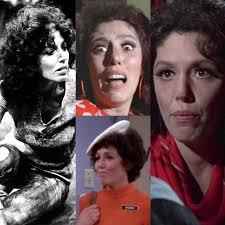
0 Barbara Colby: A Rising Star Silenced Too Soon
Early Life and EducationBarbara Colby was born on July 2, 1939, in New York City. She spent much of her youth in New Orleans, where her passion for acting was nurtured during her high school years. After graduating in 1957, she earned a scholarship to Bard College in New York and later studied for a semester at the Sorbonne in Paris. These academic experiences laid a strong foundation for her future in the performing arts.Theatrical Roots and Broadway DebutColby's acting career began on the stage. In 1964, she delivered a notable performance in "Six Characters in Search of an Author," which led to her Broadway debut in "The Devils" the following year. Throughout the 1960s, she appeared in various productions, including "Under Milk Wood," "Murder in the Cathedral," "Dear Liar," and "A Doll's House." Her portrayal of Portia in "Julius Caesar" in 1966 received critical acclaim, highlighting her versatility and depth as an actress. Transition to Television and FilmIn the early 1970s, Colby expanded her repertoire to include television and film. Her first significant TV role was in the "Columbo" episode "Murder by the Book" in 1971, where she played Lilly La Sanka. She went on to guest-star in several popular series, such as "The Odd Couple," "McMillan & Wife," "The F.B.I.," "Medical Center," "Kung Fu," and "Gunsmoke." In 1974, she appeared in two films: "California Split" and "The Memory of Us," further showcasing her adaptability across different media. Breakthrough on 'The Mary Tyler Moore Show'Colby's career reached a turning point with her role as Sherry Ferris, a streetwise prostitute, on "The Mary Tyler Moore Show" in 1974. Her performance was so well-received that she was invited back for a subsequent episode. This exposure led to her casting as Julie Erskine, the boss of Cloris Leachman's character, in the spin-off series "Phyllis." Colby's portrayal of Erskine was poised to become a defining role in her career. Personal Life and BeliefsBeyond her professional achievements, Colby led a life marked by introspection and spiritual exploration. She was a vegetarian, abstained from alcohol, and practiced meditation regularly. A devoted follower of Indian Hindu guru Swami Muktananda, she believed in reincarnation and pursued a metaphysical lifestyle that contrasted with her tough, streetwise on-screen persona. Tragic and Unsolved DeathOn July 24, 1975, tragedy struck when Colby and her colleague James Kiernan were shot in a parking area in Palms, Los Angeles, after attending an acting class. Colby died instantly, while Kiernan managed to provide a brief description of the assailants before succumbing to his injuries. The attack appeared unprovoked, with no attempt at robbery, and the perpetrators were never identified. Colby was just 36 years old. Legacy and Final WorksAt the time of her death, Colby had completed filming three episodes of "Phyllis," which aired posthumously in September 1975. Her final screen appearance was in the TV movie "The Ashes of Mrs. Reasoner," broadcast in January 1976. Colby's untimely death left a void in the entertainment industry, cutting short a promising career that had just begun to flourish. Remembering Barbara Colby Barbara Colby's life and career, though brief, left an indelible mark on those who witnessed her talent. Her performances continue to be celebrated for their authenticity and depth. While her murder remains unsolved, her legacy endures through her work and the impact she had on audiences and colleagues alike.

0 Consumed by Consent: The Disturbing Saga of Armin Meiwes and Bernd Brandes
Early Life and Psychological FoundationsArmin Meiwes was born on December 1, 1961, in Essen, Germany. His early life was marked by familial instability; his father left the family when Meiwes was young, and he was raised by a domineering mother who exerted significant control over his life. This environment fostered feelings of isolation and loneliness, leading Meiwes to create an imaginary friend named "Franky." As he matured, Meiwes developed fantasies involving cannibalism, which he later attributed to his desire for a permanent bond with another person. Bernd Brandes: The Willing ParticipantBernd Jürgen Brandes, born in 1958, was an engineer from Berlin. His life was also marred by early trauma; his mother died in a car accident when he was young, and he experienced a strained relationship with his father. Brandes harbored masochistic tendencies and a desire for self-destruction, which eventually led him to seek someone who would fulfill his fantasy of being killed and eaten. The Meeting and AgreementIn early 2001, Meiwes and Brandes connected through an internet forum dedicated to cannibalistic fantasies. After extensive communication, they agreed to meet at Meiwes' home in Rotenburg. Brandes consented to the plan, going so far as to sign a document stating his willingness to be killed and consumed. This agreement was also videotaped, providing evidence of his consent. The Act of CannibalismOn March 9, 2001, the two men carried out their plan. Meiwes amputated Brandes' penis, and they attempted to eat it together. Afterward, Brandes lay bleeding for several hours before Meiwes ultimately killed him by stabbing him in the throat. Meiwes then dismembered the body, consuming parts over the following months and storing the remains in his freezer. Discovery and ArrestThe crime remained undiscovered until December 2002, when a college student in Austria alerted authorities after finding Meiwes' online advertisements seeking willing victims. Police arrested Meiwes and found evidence of the crime, including video footage and human remains. Legal Proceedings and SentencingIn 2004, Meiwes was convicted of manslaughter and sentenced to eight and a half years in prison. However, prosecutors appealed the verdict, and in a 2006 retrial, Meiwes was convicted of murder and sentenced to life imprisonment. The court determined that Brandes' consent did not absolve Meiwes of guilt, especially given the sexual motivations behind the act. Psychological Evaluations and Prison LifePsychiatrists diagnosed Meiwes with schizoid personality disorder but deemed him fit to stand trial. While incarcerated, Meiwes expressed remorse for his actions and claimed to have become a vegetarian. He has also participated in prison programs and maintained a relatively low profile. Impact on Society and Legal DiscourseThe case of Armin Meiwes sparked widespread media attention and public debate about the limits of consent and the nature of criminal responsibility. It challenged legal systems to consider whether a person can legally consent to their own killing and what constitutes murder in such contexts. The case also highlighted the dark potential of internet communities in facilitating extreme behaviors. Aftermath and Cultural ReflectionsMeiwes' former home became a site of morbid fascination, attracting tourists and true crime enthusiasts. In 2023, the house was destroyed in a suspected arson attack, leading local authorities to hope that the destruction would deter further unwanted attention. Conclusion The Armin Meiwes case remains one of the most disturbing and complex criminal cases in recent history. It forces society to confront uncomfortable questions about autonomy, consent, and the boundaries of human behavior. As legal systems and cultures continue to grapple with these issues, the case serves as a grim reminder of the potential depths of human depravity.

0 Ashes of Prophecy: The Rise and Fall of David Koresh and the Waco Siege
The Genesis of a Cult LeaderDavid Koresh, born Vernon Wayne Howell on August 17, 1959, in Houston, Texas, emerged from a tumultuous background marked by familial instability and personal challenges. Struggling with dyslexia and a lack of formal education, Koresh found solace and purpose in the Bible, developing an intense obsession with its teachings. His early life experiences laid the foundation for his future role as the self-proclaimed prophet of the Branch Davidians, a religious sect with roots in the Seventh-day Adventist Church. Ascension to LeadershipKoresh's journey with the Branch Davidians began in the early 1980s when he joined the group at their Mount Carmel Center near Waco, Texas. Through a combination of charisma and theological persuasion, he rose through the ranks, eventually challenging and overtaking leadership from George Roden in a power struggle that culminated in a shootout in 1987. By 1990, Koresh had solidified his position as the leader, adopting the name "David Koresh" to signify his messianic aspirations, drawing from King David and the Persian King Cyrus (Koresh in Hebrew). Doctrine and PracticesUnder Koresh's leadership, the Branch Davidians adopted apocalyptic beliefs centered on his interpretations of the Book of Revelation. He claimed to be the final prophet, uniquely capable of unlocking the Seven Seals and ushering in the end times. Koresh's teachings extended to controversial practices, including polygamy, where he took multiple "spiritual wives," some reportedly underage, asserting that these unions were divinely ordained. Mounting Tensions with AuthoritiesConcerns about the Branch Davidians escalated in the early 1990s as reports surfaced regarding child abuse allegations and stockpiling of illegal weapons. The Bureau of Alcohol, Tobacco, and Firearms (ATF) initiated an investigation, suspecting the group of amassing an arsenal of firearms and explosives. These suspicions set the stage for a confrontation that would capture national attention. The Initial RaidOn February 28, 1993, the ATF launched a raid on the Mount Carmel compound with the intent to execute search and arrest warrants. However, the operation quickly devolved into a firefight, resulting in the deaths of four federal agents and six Branch Davidians. The failed raid prompted the FBI to take over, initiating a 51-day siege characterized by tense negotiations and psychological tactics aimed at compelling the group's surrender. The Siege and NegotiationsThroughout the standoff, negotiators engaged Koresh in discussions, attempting to persuade him to release his followers and peacefully resolve the situation. While some individuals, including children, were released, Koresh remained steadfast, often citing divine instruction as a reason for delay. The protracted negotiations were marked by a lack of consensus within the FBI regarding strategy, leading to internal conflicts over the use of force versus continued dialogue. The Tragic ConclusionOn April 19, 1993, after weeks of impasse, the FBI initiated a final assault, deploying tear gas into the compound in an effort to force evacuation. Shortly thereafter, fires erupted within the complex, rapidly consuming the structure. The blaze resulted in the deaths of 76 individuals, including Koresh and 25 children. The origins of the fire remain disputed, with investigations suggesting it was started from within, though debates persist regarding the contributing factors. Aftermath and LegacyThe Waco Siege had profound implications, fueling anti-government sentiments and serving as a catalyst for the growth of militia movements in the United States. Notably, Timothy McVeigh cited the siege as a motivating factor for the Oklahoma City bombing in 1995. The events at Waco continue to influence discussions on religious freedom, governmental authority, and the use of force in law enforcement operations. Continuing Reflections Decades later, the Waco Siege remains a subject of analysis and reflection. Documentaries, books, and academic studies continue to explore the complexities of the event, examining the interplay of religious fervor, governmental response, and media portrayal. The tragedy serves as a somber reminder of the consequences that can arise from miscommunication, mistrust, and the escalation of conflict.

0 Echoes in the Greenhouse: The Tragic Final Days of Kurt Cobain
The Downward Spiral: Cobain’s Final MonthsIn the early months of 1994, Kurt Cobain, the iconic frontman of Nirvana, was grappling with a confluence of personal demons. Following a tour stop in Munich, Germany, on March 1, Cobain was diagnosed with bronchitis and severe laryngitis. He flew to Rome the next day for medical treatment, where he was joined by his wife, Courtney Love. On March 4, Love awoke to find Cobain had overdosed on a combination of champagne and Rohypnol, leading to his hospitalization. Love later described this incident as Cobain's first suicide attempt. Upon returning to Seattle, Cobain's struggles intensified. On March 18, Love contacted Seattle police, expressing concern that Cobain was suicidal and had locked himself in a room with a gun. Police confiscated several firearms and a bottle of pills from Cobain, who insisted he was not suicidal. Subsequently, an intervention was organized on March 25, involving close friends and record executives. Despite initial resistance, Cobain agreed to enter a detox program and checked into the Exodus Recovery Center in Los Angeles on March 30. Escape and Final DaysCobain's stay at the rehabilitation facility was brief. On April 1, he scaled a six-foot wall and left the center. He flew back to Seattle, sitting near Duff McKagan of Guns N' Roses on the flight. McKagan later recalled sensing something was amiss with Cobain. In the following days, Cobain was seen sporadically around Seattle, but his whereabouts remained largely unknown to friends and family. Discovery in the GreenhouseOn April 8, 1994, electrician Gary Smith arrived at Cobain's Lake Washington Boulevard home to install a security system. He discovered Cobain's body in the greenhouse above the garage. Cobain had died from a self-inflicted shotgun wound to the head. A suicide note addressed to his childhood imaginary friend, Boddah, was found nearby. The coroner estimated Cobain had died on April 5. Autopsy and Toxicology FindingsThe autopsy revealed Cobain had a high concentration of heroin in his system, measuring 1.52 milligrams per liter, along with traces of Valium. The report also noted both old and fresh needle marks on his arms. Despite the significant levels of drugs, the official cause of death was determined to be suicide by gunshot. Public Mourning and MemorialsOn April 10, a public memorial service was held at Seattle Center, attended by thousands of fans. A recording of Courtney Love reading Cobain's suicide note was played, and she later distributed some of his clothing to mourners. Cobain's body was cremated, with portions of his ashes scattered at various locations, including a Buddhist monastery in New York and McLane Creek in Olympia, Washington. Legacy and Cultural ImpactCobain's death at 27 cemented his status in the so-called "27 Club" of musicians who died at that age. His influence on music and culture remains profound, with Nirvana's work continuing to inspire new generations. Posthumously, Cobain has been the subject of numerous documentaries, biographies, and artistic tributes, reflecting on his life, struggles, and enduring legacy. Conspiracy Theories and InvestigationsDespite the official ruling of suicide, Cobain's death has been the subject of various conspiracy theories. Some have questioned the circumstances surrounding his death, citing the high levels of heroin in his system and the lack of identifiable fingerprints on the shotgun. Documentaries like "Soaked in Bleach" have explored these theories, though no credible evidence has emerged to challenge the official findings. Enduring Influence Decades after his death, Kurt Cobain's music and persona continue to resonate. His introspective lyrics and the raw energy of Nirvana's performances have left an indelible mark on the music industry. Cobain's life and tragic end serve as a poignant reminder of the complexities of fame, mental health, and artistic expression.

0 Shadows on the Deck: The Unresolved Death of Tamla Horsford
The Night of the GatheringOn November 3, 2018, Tamla Horsford, a 40-year-old mother of five, attended an adult slumber party in Cumming, Georgia. Hosted by Jeanne Meyers, the event was a birthday celebration attended by several women and a few men. Tamla, known for her vivacious spirit, arrived with a bottle of tequila, ready to enjoy the evening with friends. The night included games, drinks, and camaraderie, with Tamla being the only Black woman present among the predominantly white attendees .The Morning AfterThe following morning, Tamla was found unresponsive, face-down in the backyard beneath the home's deck. Jose Barrera, Meyers' boyfriend, discovered her body and called 911 at 8:59 a.m. He described a small cut on her wrist and speculated whether it was self-inflicted. The initial assumption was that Tamla had accidentally fallen from the deck while intoxicated .The Initial InvestigationThe Forsyth County Sheriff's Office conducted the initial investigation, concluding that Tamla's death was accidental. The autopsy reported multiple blunt force injuries and a blood alcohol level of .238, nearly three times the legal driving limit. Traces of THC and Alprazolam were also found in her system. The injuries were deemed consistent with a fall from the deck .Family's Doubts and Independent FindingsTamla's family was not convinced by the official findings. They commissioned an independent autopsy, which revealed additional abrasions and a laceration to the right ventricle of her heart. The family's attorney highlighted inconsistencies in witness statements and the lack of preserved evidence, suggesting the possibility of foul play .Public Outcry and Reopened InvestigationThe case gained national attention, especially during the 2020 protests against racial injustice. Social media campaigns and celebrity endorsements called for a renewed investigation. In response, the Georgia Bureau of Investigation reopened the case in June 2020. However, by July 2021, the GBI concluded there was no evidence of foul play, and no criminal charges were filed .Lingering Questions and Community ImpactDespite official conclusions, many questions remain unanswered. The lack of surveillance footage, discrepancies in witness accounts, and the initial handling of the investigation have left Tamla's family and supporters seeking justice. The case has become a symbol of the broader issues surrounding racial disparities in the justice system and the importance of thorough, unbiased investigations .Conclusion Tamla Horsford's death remains a poignant reminder of the need for transparency and equity in investigative processes. While official reports label her death as accidental, the persistent doubts and unanswered questions continue to fuel calls for justice and accountability.

0 Shadows on the Tracks: The Unresolved Death of Tiffany Valiante
The Promising Life of Tiffany ValianteTiffany Valiante was an 18-year-old from Mays Landing, New Jersey, known for her athletic prowess and vibrant personality. A recent graduate of Oakcrest High School, she had secured a full volleyball scholarship to Mercy College in New York and was set to start as a middle blocker—a rare achievement for a freshman. Her aspirations extended beyond sports; she considered careers in criminal justice or the Air Force. Friends and family described her as energetic, ambitious, and full of life. The Night of the IncidentOn July 12, 2015, Tiffany attended a graduation party for her cousin, held across the street from her home. Later that evening, a confrontation arose when a friend accused her of unauthorized use of a debit card. After a brief discussion with her parents about the accusation, Tiffany was last seen walking down her driveway at approximately 9:30 p.m., captured by a neighbor's deer camera. Minutes later, her parents discovered her cell phone discarded near the edge of their property. Discovery and Initial InvestigationIn the early hours of July 13, Tiffany's body was found on a stretch of the Atlantic City Rail Line, about four miles from her home. She was partially clothed and barefoot. Authorities quickly ruled her death a suicide, stating she had been struck by a train. However, her family questioned this conclusion, citing her fear of the dark and the improbability of her walking such a distance at night without shoes. Evidence and DiscrepanciesSeveral aspects of the case raised concerns. Two weeks after her death, Tiffany's mother found her shoes and headband neatly placed over a mile from the tracks, suggesting she hadn't walked the distance barefoot. Additionally, an ax with red markings was discovered near the scene but was lost before forensic analysis could be conducted. The medical examiner's report noted her limbs were "cut," inconsistent with injuries typically caused by a train impact. Family's Pursuit of JusticeUnsatisfied with the suicide ruling, Tiffany's family sought further investigation. They hired attorney Paul D'Amato and initiated legal action to have the cause of death changed to "undetermined." Their efforts included independent forensic analyses, which were hindered by mishandled evidence and contamination. Despite these challenges, the family remains committed to uncovering the truth. Public Attention and Ongoing EffortsThe case gained renewed attention through the Netflix series "Unsolved Mysteries," which highlighted the inconsistencies and the family's quest for answers. This exposure led to increased public interest and support for re-examining the case. The Valiante family continues to advocate for a thorough investigation, hoping to bring clarity and justice to Tiffany's untimely death. Conclusion Tiffany Valiante's death remains a subject of debate and investigation. While officially ruled a suicide, numerous factors suggest the need for a more comprehensive examination. Her family's unwavering determination underscores the importance of seeking truth and accountability in the face of unresolved tragedy.

0 Unraveling the Knots: The Enduring Mystery of Rebecca Zahau’s Death
The Tragic Prelude: A Child’s Fall and a Woman’s DemiseOn July 11, 2011, six-year-old Max Shacknai suffered a severe fall from a second-floor landing at the Spreckels Mansion in Coronado, California. Max was under the care of Rebecca Zahau, his father's girlfriend, and her teenage sister, Xena, at the time. Rebecca claimed she was in the bathroom when the incident occurred. Max was found unresponsive and later succumbed to his injuries on July 16, 2011. Authorities ruled his death an accident, though some medical professionals questioned whether his injuries were consistent with a fall, suggesting the possibility of suffocation prior to the fall .A Shocking Discovery: Rebecca Zahau’s Mysterious DeathJust two days after Max's accident, on July 13, 2011, Rebecca Zahau was found dead, hanging naked from a balcony at the same mansion. Her hands and feet were bound, and a T-shirt was stuffed in her mouth. Adam Shacknai, Jonah Shacknai's brother, discovered her body and called 911. He claimed to have cut her down before emergency services arrived. The San Diego County Sheriff's Department ruled her death a suicide, suggesting she was overcome with guilt over Max's accident .Questionable Evidence: Autopsy Findings and Scene DetailsThe autopsy revealed several perplexing details: hemorrhages under Rebecca's scalp, tape residue and blood on her legs, and a T-shirt wrapped around her neck and partially stuffed in her mouth. A cryptic message, "She saved him, can you save her," was painted on the bedroom door. These findings raised doubts about the suicide ruling, with experts questioning the likelihood of a person binding themselves in such a manner before hanging .Family's Pursuit of Justice: Civil Lawsuit and VerdictRebecca's family, convinced she was murdered, filed a wrongful death lawsuit against Adam Shacknai. In 2018, a civil jury found him liable for her death and awarded the family $5 million in damages. Adam Shacknai denied any involvement, and the case was later settled for $600,000 to avoid prolonged litigation .Continued Advocacy: New Evidence and Public CampaignsRebecca's family has remained steadfast in seeking justice. In 2023, her sister, Mary Zahau-Loehner, published a book presenting new evidence, including the presence of dryer sheets at the scene, which were not tested for fingerprints, and a witness report of hearing a male and female voice arguing on the night of Rebecca's death. The family continues to challenge the suicide ruling and advocate for a reclassification of her death as a homicide .Official Stance: Authorities Uphold Suicide RulingDespite the family's efforts, the San Diego County Sheriff's Department and Medical Examiner's Office have reaffirmed their conclusion that Rebecca's death was a suicide. They maintain that the evidence supports this ruling and have declined to reopen the investigation .Public Fascination: Media Coverage and DocumentariesRebecca Zahau's case has garnered significant media attention, featuring in documentaries and true crime series, including Oxygen's "Death at the Mansion: Rebecca Zahau." These programs explore the complexities of the case, presenting various theories and analyses of the evidence .Conclusion: An Unresolved Mystery The death of Rebecca Zahau remains a subject of intrigue and debate. While official investigations have concluded suicide, her family's unwavering belief in foul play continues to fuel public interest and calls for justice. The case stands as a poignant reminder of the complexities and challenges in uncovering the truth behind mysterious deaths.