
 Account
Categories

0 The Dark Legacy of Dr. Harold Shipman: A Detailed Examination of Britain's Most Prolific Serial Killer
Early Life and InfluencesHarold Frederick Shipman was born on January 14, 1946, in Nottingham, England, into a working-class family. He was the second of four children and shared a particularly close bond with his mother, Vera. During his teenage years, Shipman witnessed his mother's battle with terminal lung cancer, where she received morphine injections to alleviate her pain. This experience profoundly impacted him and is believed to have influenced his future actions. Medical Education and Early CareerShipman pursued medical studies at the Leeds School of Medicine, graduating in 1970. He began his medical career at Pontefract General Infirmary in West Yorkshire. By 1974, he secured a position as a general practitioner at the Abraham Ormerod Medical Centre in Todmorden. However, his early career was marred by controversy when he was caught forging prescriptions for pethidine, an opioid painkiller, for personal use. This led to a fine and attendance at a drug rehabilitation program. Despite this setback, Shipman continued practicing medicine and eventually established his own surgery in Hyde in 1993. Pattern of Murders and Modus OperandiShipman's method of killing involved administering lethal doses of diamorphine, a pharmaceutical form of heroin, to his patients. He primarily targeted elderly women who lived alone, often visiting them at home under the pretense of routine check-ups. After administering the fatal dose, he would alter medical records to suggest that the patient had been in poor health, thereby justifying the cause of death as natural. This systematic approach allowed him to evade suspicion for many years. Initial Suspicions and InvestigationsIn March 1998, Dr. Linda Reynolds of the Brooke Surgery in Hyde expressed concerns to the local coroner about the unusually high death rates among Shipman's patients. She was particularly alarmed by the frequency of cremation forms he countersigned. An initial police investigation was conducted but failed to find sufficient evidence, allowing Shipman to continue his practice. The Case of Kathleen GrundyThe turning point in the investigation came with the death of Kathleen Grundy, an 81-year-old former mayor of Hyde. Found deceased in her home on June 24, 1998, her death was certified by Shipman as due to old age. However, suspicions arose when Grundy's daughter, Angela Woodruff, a solicitor, was informed of a will that excluded her and instead left £386,000 to Shipman. The will appeared to be forged, prompting Woodruff to alert the authorities. Subsequent exhumation and toxicology reports revealed lethal levels of diamorphine in Grundy's system, leading to Shipman's arrest on September 7, 1998. Trial and ConvictionShipman's trial commenced on October 5, 1999, at Preston Crown Court. He faced 15 counts of murder and one count of forgery. The prosecution presented compelling evidence, including patterns of drug acquisition, falsified medical records, and testimonies from relatives of the deceased. On January 31, 2000, Shipman was found guilty on all charges and sentenced to life imprisonment with a recommendation that he never be released. The Shipman Inquiry and FindingsFollowing his conviction, a public inquiry chaired by Dame Janet Smith was initiated to investigate the extent of Shipman's crimes. The inquiry concluded that Shipman had killed at least 218 patients, with estimates suggesting the number could be as high as 250. The majority of his victims were elderly women, but his youngest known victim was a four-year-old girl. The inquiry also highlighted significant failures in the medical and legal systems that allowed Shipman to continue his killing spree undetected for over two decades. Impact on the Medical Community and ReformsThe revelations of Shipman's crimes sent shockwaves through the medical community and the public. It exposed vulnerabilities in the healthcare system, particularly concerning the monitoring of practitioners and the certification of deaths. In response, several reforms were implemented, including stricter regulations on controlled substances, improved death certification processes, and the establishment of the General Medical Council's revalidation procedures to ensure doctors remain fit to practice. Shipman's Death and LegacyOn January 13, 2004, Shipman was found dead in his cell at Wakefield Prison, having hanged himself with bed sheets. His death sparked various reactions, with some families of victims expressing frustration that he never revealed the full extent of his crimes or his motives. Shipman's actions have left an indelible mark on the UK’s medical landscape, serving as a grim reminder of the potential for abuse of trust within the healthcare profession. Conclusion Dr. Harold Shipman's case remains one of the most disturbing instances of medical malpractice and serial murder in history. His ability to exploit his position for personal gain and the systemic failures that permitted his actions underscore the necessity for continual vigilance, transparency, and reform within medical institutions to safeguard patient welfare.

0 The Sinister Legacy of Dr. Michael Swango: America's Deadly Physician
Early Life and EducationMichael Joseph Swango was born on October 21, 1954, in Tacoma, Washington, and raised in Quincy, Illinois. He was the middle child of Muriel and John Virgil Swango. His father, a career U.S. Army officer and Vietnam War veteran, struggled with alcoholism upon returning from service. Swango excelled academically, graduating as valedictorian from Quincy Catholic Boys High School in 1972. He later attended Quincy College, earning summa cum laude honors in chemistry and biology in 1979. His academic achievements led to a full scholarship at Southern Illinois University School of Medicine (SIU). Troubling Signs During Medical TrainingDuring his tenure at SIU, Swango's behavior raised concerns among peers and faculty. He displayed an unusual fascination with dying patients and often prioritized working as a paramedic over his studies. Classmates noted his penchant for collecting newspaper clippings about violent deaths and disasters. Despite these red flags, Swango graduated in 1983, albeit with reservations from the faculty regarding his competence. Suspicious Incidents at Ohio State University Medical CenterIn 1983, Swango secured a surgical internship at Ohio State University Medical Center (OSU). Nurses observed a troubling pattern: patients under Swango's care, who were otherwise stable, began dying unexpectedly. One nurse reported witnessing Swango injecting a patient with an unknown substance shortly before the patient suffered a medical crisis. Despite these observations, a superficial investigation cleared Swango of wrongdoing, though his residency offer was subsequently withdrawn. Poisoning Colleagues in IllinoisAfter leaving OSU, Swango returned to Quincy and worked as an emergency medical technician. Colleagues experienced sudden, severe illnesses after consuming food or beverages he provided. Investigations led to his arrest in October 1984, when arsenic and other poisons were found in his possession. In August 1985, Swango was convicted of aggravated battery for poisoning his co-workers and sentenced to five years in prison. Continued Malpractice and Murders Post-IncarcerationReleased in 1987, Swango managed to obtain medical positions by falsifying credentials and omitting his criminal record. He worked in various states, including South Dakota and New York, where patients under his care continued to die under suspicious circumstances. In 1993, while at a Veterans Affairs Medical Center in New York, three patients died mysteriously, leading to increased scrutiny. International Crimes in ZimbabweFleeing U.S. investigations, Swango traveled to Zimbabwe in 1994, securing a position at Mnene Lutheran Mission Hospital. Once again, patients began dying unexpectedly. Nurses reported that healthy patients would suddenly become critically ill after receiving care from Swango. Suspicious, the hospital administration suspended him, but he fled the country before formal charges could be filed. Arrest, Conviction, and SentencingSwango's run from the law ended in June 1997 when he was arrested at Chicago-O'Hare International Airport while attempting to travel to Saudi Arabia for a job interview. Facing multiple charges, he pleaded guilty in 2000 to the murders of three patients in New York and one in Ohio. He was sentenced to three consecutive life terms without the possibility of parole and is currently serving his sentence at ADX Florence, a supermax prison in Colorado. Impact on the Medical CommunityThe chilling case of Michael Swango exposed significant flaws in the medical credentialing and oversight systems. His ability to move between states and even countries, securing medical positions despite a criminal background, highlighted the need for more stringent background checks and monitoring of healthcare professionals. Hospitals and medical institutions have since implemented stricter protocols to prevent such tragedies from recurring. Conclusion Michael Swango's heinous actions serve as a grim reminder of the potential for abuse within trusted professions. His story underscores the importance of vigilance, thorough vetting, and continuous oversight in the medical field to protect patients from those who would exploit their positions for malicious ends.

0 The Enigmatic Disappearance and Discovery of Brandon Lawson: A Decade-Long Mystery Unraveled
IntroductionThe perplexing case of Brandon Lawson has captivated public attention for over a decade. His sudden disappearance in 2013, following a series of cryptic phone calls, left both his family and investigators searching for answers. Recent developments have finally shed light on this enduring mystery, providing a sense of closure to those affected.Background and Early LifeBorn on November 18, 1986, in Fort Worth, Texas, Brandon Lawson was known for his dedication to his family and his work in the oil industry. Residing in San Angelo with his longtime girlfriend, Ladessa Lofton, and their children, Brandon was a father of four who worked diligently to provide for his loved ones. Despite facing challenges, including struggles with substance abuse, he had reportedly been clean for months leading up to his disappearance. The Night of the DisappearanceOn the night of August 8, 2013, tensions escalated between Brandon and Ladessa, leading to an argument. Around 11:54 p.m., Brandon left their residence, informing Ladessa that he intended to stay with his father in Crowley, Texas, approximately a three-hour drive away. En route, his vehicle ran out of gas on U.S. Highway 277, near Bronte, Texas. At 12:30 a.m. on August 9, Brandon contacted his brother, Kyle Lawson, requesting assistance. Kyle, accompanied by his girlfriend and child, set out to deliver a gas can to Brandon's location. The Mysterious 911 CallAt 12:50 a.m., Brandon made a distressing call to 911, which has since become a focal point in discussions about his disappearance. In the call, Brandon urgently stated, "Yes, I'm in the middle of a field... My truck ran out of gas. There's one car here. The guy's chasing me into the woods. Please hurry!" The call was marked by confusion and a sense of imminent danger, but the exact details remained unclear due to poor reception and audio quality. Search Efforts and Initial InvestigationsUpon reaching the scene, Kyle found Brandon's truck abandoned but saw no sign of his brother. Despite extensive search efforts involving law enforcement agencies, helicopters, and search dogs, no trace of Brandon was found in the immediate aftermath. The lack of physical evidence and the cryptic nature of his last communications led to numerous theories and speculations about his fate. Discovery of Human RemainsIn early 2022, nearly nine years after Brandon's disappearance, a significant breakthrough occurred. A private search party discovered clothing matching what Brandon was last seen wearing near his last known location. This discovery prompted a more thorough search by the Texas Rangers, leading to the uncovering of human remains in the vicinity. Although initial assessments strongly suggested the remains belonged to Brandon, definitive identification required extensive DNA analysis. Confirmation Through DNA TestingThe process of confirming the identity of the remains was prolonged, primarily due to the condition of the evidence and the necessity for meticulous testing. In December 2024, the family received confirmation that the DNA results matched Brandon Lawson. This revelation, delivered just before the holiday season, brought a bittersweet closure to a chapter marked by years of uncertainty and grief. Reflections and Remaining QuestionsWhile the confirmation of Brandon's death provides some answers, several questions linger. The circumstances surrounding his disappearance, the content of his 911 call, and the events leading up to that fateful night continue to be subjects of speculation and investigation. The case underscores the complexities and challenges often inherent in missing persons investigations, highlighting the profound impact such cases have on families and communities.Conclusion The story of Brandon Lawson is a poignant reminder of the enduring pain experienced by families of missing persons and the relentless pursuit of truth and closure. As the community reflects on this case, it serves as a testament to the importance of persistence, the value of community support, and the ongoing need for advancements in investigative techniques to resolve such mysteries more swiftly in the future.

0 The Vanishing of Relisha Rudd: Unraveling a Decade-Long Mystery
IntroductionIn March 2014, the disappearance of 8-year-old Relisha Rudd from Washington, D.C., captured national attention and exposed significant systemic failures. Despite extensive investigations, Relisha's whereabouts remain unknown, leaving a community grappling with unanswered questions and a family longing for closure.Relisha's Early Life and Family BackgroundRelisha Tenau Rudd was born into a life marked by instability and hardship. Her mother, Shamika Young, had experienced a tumultuous upbringing, including time in the foster care system and struggles with mental health. These challenges contributed to the family's housing insecurity, eventually leading them to reside at the D.C. General Family Shelter, a facility known for its inadequate living conditions. The Role of Kahlil TatumWithin the shelter, Relisha and her family encountered Kahlil Tatum, a 51-year-old janitor with a criminal history that included convictions for burglary, larceny, and breaking-and-entering. Despite his past, Tatum was employed at the shelter, where he was known to fraternize inappropriately with residents, particularly young girls. He formed a close relationship with Relisha, showering her with gifts such as a tablet computer and taking her to events like Disney on Ice. Over time, Shamika Young permitted Relisha to spend nights away from the shelter under Tatum's supervision, believing her daughter was safe. The Disappearance and Delayed ResponseIn February 2014, Relisha stopped attending classes at Payne Elementary School. Her prolonged absence raised concerns among school officials, who received a note from her family stating that Relisha was under the care of a "Dr. Tatum" due to health issues. This explanation delayed further inquiries. It wasn't until March 19, 2014, that a school social worker, unable to meet with this "Dr. Tatum," reported Relisha missing to the authorities. By this time, she had been absent from school for several weeks. Investigation and Tragic DevelopmentsThe subsequent investigation revealed alarming details. Surveillance footage from March 1, 2014, showed Relisha walking with Tatum in the hallway of a Days Inn in Northeast D.C. Shortly after, Tatum was seen purchasing large trash bags. On March 20, authorities discovered the body of Tatum's wife, Andrea, in a motel room in Prince George's County, Maryland, dead from a gunshot wound. A manhunt for Tatum ensued, culminating in the discovery of his body on March 31 in a shed at Kenilworth Park and Aquatic Gardens; he had died by suicide. Despite extensive searches, there was no sign of Relisha. Systemic Failures and Missed OpportunitiesRelisha's case exposed significant systemic failures. The shelter's lack of oversight allowed Tatum to develop an inappropriate relationship with Relisha without intervention. Child Protective Services had prior involvement with the family but failed to take decisive action. The school's delayed response to Relisha's absence further hindered timely intervention. These lapses highlighted the need for improved communication and protocols among social services, educational institutions, and law enforcement agencies. Community Impact and Ongoing EffortsIn the years following Relisha's disappearance, her case has had a profound impact on the Washington, D.C., community. Advocates have called for reforms in child welfare policies and shelter management. The D.C. General Family Shelter was eventually closed in 2018, partly due to the scrutiny following Relisha's case. Community members continue to hold vigils and awareness events, ensuring that Relisha's story remains in the public consciousness. The Search ContinuesDespite the passage of time, the search for Relisha Rudd continues. The National Center for Missing & Exploited Children has released age-progressed images to aid in locating her. Law enforcement agencies urge anyone with information to come forward, emphasizing that no detail is too small in the quest to bring Relisha home. Conclusion The disappearance of Relisha Rudd remains a poignant reminder of the vulnerabilities faced by children in precarious living situations. Her case underscores the critical need for vigilant, coordinated efforts among caregivers, educators, social services, and law enforcement to protect at-risk children. As the community continues to seek answers, Relisha's story serves as a call to action to prevent similar tragedies in the future.

0 The Mysterious Disappearance of Jaliek Rainwalker: Unraveling a 17-Year-Old Cold Case
Early Life and ChallengesJaliek Rainwalker was born on August 2, 1995, and faced adversity from the very beginning. Born addicted to crack cocaine, he was placed into foster care just two days after his birth due to his mother's struggles with drug and alcohol addiction. Over the next several years, Jaliek lived with six different foster families, each placement ending due to his developmental and behavioral challenges. Diagnosed with reactive attachment disorder, he found it difficult to form connections with caregivers, leading to violent outbursts that were challenging for many foster parents to manage. Adoption by Stephen Kerr and Jocelyn McDonaldAt the age of seven, Jaliek was placed with Stephen Kerr and Jocelyn McDonald in Washington County, New York. The couple officially adopted him in 2004, adding him to their family, which included three biological sons and one adopted daughter. The family led a non-traditional lifestyle, residing in a rural home without running water, using outhouses, and relying on a generator for limited electricity. Despite these unconventional living conditions, they believed this lifestyle was environmentally friendly. Behavioral Struggles and Respite CareJaliek's behavioral issues persisted, causing strain within the family. He exhibited violent temper tantrums, and his siblings reportedly feared him. In late October 2007, after Jaliek threatened to sexually assault a younger child during a homeschooling session, Stephen Kerr contacted a crisis line seeking to reverse the adoption. While reversal wasn't an option, they were advised to place Jaliek in respite care temporarily. Consequently, Jaliek stayed with licensed foster parents Elaine and Tom Person, with whom he had previously lived. The Night of DisappearanceOn November 1, 2007, Stephen Kerr picked up Jaliek from the Persons' home. They dined at a Red Robin restaurant in Latham before heading to Kerr's parents' unoccupied house on Hill Street in Greenwich for the night. Kerr claimed that he told Jaliek to go to bed around 9 p.m. The following morning, around 7:30 a.m., Kerr reported finding Jaliek missing, with a note left behind stating, "Dear everybody, I'm sorry for everything. I won't be a bother anymore. Goodbye, Jaliek." This note was later confirmed to be in Jaliek's handwriting. Inconsistencies and InvestigationsDiscrepancies emerged in Kerr's account of the events. He initially stated that during their drive from Altamont to Greenwich, he received a phone call around 8:15 p.m. near Harry's Garage in Melrose. However, cell phone records indicated that the call was received in South Troy, raising questions about his actual whereabouts that evening. Additionally, Kerr's behavior during the investigation drew suspicion; he refused to take a polygraph test and was observed avoiding leaving fingerprints at the police station by using his elbow to open doors. Reclassification of the CaseIn 2012, the case was reclassified from a missing child investigation to a probable homicide. Despite extensive searches, including areas in Vermont and along the Hudson River, no significant evidence has been found to determine Jaliek's fate. Kerr was named a person of interest in 2017, but no arrests have been made. The lack of physical evidence has hindered the progression of the case. Ongoing Efforts and Public InvolvementOver the years, various searches have been conducted based on tips and leads. In June 2022, a tip led authorities to search a wooded area around the South Troy Dodgers baseball fields on Thompson Road, but no new evidence was discovered. Jaliek's adoptive grandmother, Barbara Reeley, has been a vocal advocate for continued efforts to find him, urging anyone with information to come forward. Current Status and How to HelpAs of April 2025, Jaliek Rainwalker remains missing. If alive, he would be 29 years old. He is described as a biracial male with brown hair and green eyes, standing approximately 5'6" tall and weighing around 105 pounds at the time of his disappearance. Notably, he has a slight speech impediment, pronouncing the letter "r" like a "w." Anyone with information regarding Jaliek's disappearance is encouraged to contact the Cambridge-Greenwich Police at 518-677-3044. Conclusion The disappearance of Jaliek Rainwalker is a haunting mystery that has left a community searching for answers for over 17 years. Despite numerous investigations and public appeals, his fate remains unknown. The case underscores the complexities and challenges of the foster care system and highlights the critical need for vigilance and thoroughness in child welfare and missing persons investigations.

0 Unraveling the Enigma: The Mysterious Disappearance of Lauren Spierer
Early Life and Academic PursuitsLauren Elizabeth Spierer was born on January 17, 1991, in Scarsdale, New York. She was the cherished daughter of Charlene and Robert Spierer and had a sister named Rebecca. Lauren graduated from Edgemont High School in 2009 and subsequently enrolled at Indiana University (IU) in Bloomington, where she pursued a degree in textiles merchandising. Known for her vivacious personality and zest for life, Lauren quickly became a well-known figure on campus.The Fateful Night: June 2-3, 2011The evening of June 2, 2011, began like many others for college students. Lauren attended a gathering at her apartment, where she and friends watched a basketball game and shared drinks. Later, she decided to continue the night out, leaving her apartment around 12:30 a.m. with a friend, David Rohn. They proceeded to the nearby residence of Jay Rosenbaum, an acquaintance Lauren had met at a summer camp years earlier. At Rosenbaum's apartment, Lauren was introduced to his neighbors, Corey Rossman and Michael Beth. The group decided to visit Kilroy's Sports Bar, a popular local establishment.Surveillance Footage and Witness AccountsAt approximately 1:46 a.m., surveillance cameras captured Lauren entering Kilroy's with Rossman. Notably, she left her cell phone and shoes at the bar, having removed her shoes to walk on the sand-covered patio. Around 2:27 a.m., Lauren and Rossman departed the bar, and she was seen barefoot as they headed toward her apartment complex, Smallwood Plaza. Upon arrival at Smallwood Plaza around 2:30 a.m., a passerby, Zach Oakes, noticed Lauren's apparent intoxication and inquired if she was okay. Shortly after, Lauren and Rossman left the apartment complex and entered an alleyway between College Avenue and Morton Street. Surveillance footage from nearby apartments showed them exiting the alley at 2:51 a.m., walking toward an empty lot. Along this route, Lauren's keys and purse were later found.Sequence of Events Leading Up to DisappearanceAfter traversing the alley, Lauren and Rossman arrived at Rossman's apartment. According to Michael Beth, Rossman's roommate, Rossman was highly intoxicated, vomiting, and needed assistance to bed. Beth stated that he offered Lauren a place to sleep for her safety, but she declined, expressing a desire to return to her own apartment. Around 3:30 a.m., Beth contacted Rosenbaum, asking him to look after Lauren. She then went to Rosenbaum's apartment, where he noticed a bruise under her eye, which she reportedly couldn't explain. Rosenbaum mentioned that Lauren made two phone calls from his phone, one to David Rohn and another to an unidentified friend; neither call was answered, and no messages were left.The Last Known SightingRosenbaum reported that at approximately 4:30 a.m., Lauren left his apartment, declining his suggestion to stay over. He stated that he last saw her at the intersection of 11th Street and College Avenue, heading south on College Avenue toward her apartment. She was last seen barefoot, wearing black leggings and a white shirt. This marked the last confirmed sighting of Lauren Spierer.Immediate Aftermath and Search EffortsLater that morning, Lauren's boyfriend, Jesse Wolff, sent her a text message. An employee at Kilroy's responded, informing him that her phone had been left at the bar. Concerned, Wolff reported Lauren missing. The news of her disappearance spread rapidly, prompting extensive search efforts by law enforcement, family, friends, and volunteers. Despite exhaustive searches, including the use of cadaver dogs and divers, no significant evidence was found.Investigative Challenges and TheoriesThe investigation into Lauren's disappearance faced numerous challenges. The individuals last seen with her, including Rossman, Beth, and Rosenbaum, were questioned extensively but were not named as suspects. Various theories emerged, ranging from accidental overdose to abduction. Some speculated that Lauren's level of intoxication made her vulnerable to foul play, while others considered the possibility of a random abduction. Despite the myriad of theories, concrete evidence remained elusive.Civil Litigation and Legal ProceedingsIn an effort to uncover more information, Lauren's parents filed civil lawsuits against Rossman, Rosenbaum, and Beth, accusing them of negligence for providing alcohol to Lauren and failing to ensure her safe return home. The lawsuits were ultimately dismissed, with the court citing a lack of evidence directly linking the defendants' actions to Lauren's disappearance.Ongoing Search for AnswersYears passed with little progress in the case. In 2015, a potential connection was explored between Lauren's disappearance and the murder of another IU student, Hannah Wilson. However, authorities concluded that the cases were unrelated. Despite the passage of time, Lauren's family continued to seek answers, maintaining a website and offering rewards for information.Recent Developments and Continuing HopeIn recent years, new efforts have been made to shed light on Lauren's case. Investigative journalist Shawn Cohen released a book titled "College Girl, Missing," which delves into the details of the disappearance and presents new witness testimonies. The book aims to reignite public interest and potentially uncover new leads. As of 2025, the case remains unsolved, but Lauren's family and supporters persist in their quest for closure.Conclusion The disappearance of Lauren Spierer is a haunting mystery that has left a lasting impact on her family, friends, and the Bloomington community. Despite extensive investigations, numerous theories, and widespread media coverage, her fate remains unknown. The case underscores the challenges and complexities inherent in missing persons investigations and serves as a poignant reminder of the enduring pain experienced by those left searching for answers.

0 The Mysterious Disappearance of Amy Lynn Bradley: Unraveling a 1998 Cruise Ship Enigma
Early Life and BackgroundAmy Lynn Bradley was born on May 12, 1974, in Petersburg, Virginia. She grew up in Chesterfield County and attended Longwood University, where she earned a degree in Physical Education. Amy was an accomplished athlete, having received a basketball scholarship, and was known for her strong swimming abilities. Prior to her disappearance, she had plans to start a new job at a computer consulting firm. The Ill-Fated CruiseIn March 1998, Amy joined her parents, Ron and Iva, and her brother, Brad, on a Caribbean cruise aboard Royal Caribbean International's Rhapsody of the Seas. The voyage departed San Juan, Puerto Rico, on March 21, with planned stops in Aruba, Curaçao, and St. Martin. The family looked forward to a relaxing vacation together.The Night Before Amy's DisappearanceOn the evening of March 23, Amy and her brother spent time at the ship's nightclub, dancing and socializing. They enjoyed the live music provided by the band "Blue Orchid," and Amy was seen dancing with the band's bass player, Alister Douglas, known as "Yellow." The siblings returned to their cabin around 3:30 a.m., where they sat on the suite's balcony before Brad went to bed. Amy remained outside, enjoying the warm Caribbean night.The Mysterious DisappearanceAt approximately 5:30 a.m. on March 24, Ron Bradley briefly awoke and noticed Amy asleep on the balcony. However, when he checked again around 6:00 a.m., she was gone. Concerned, the family searched the ship but found no trace of Amy. They alerted the crew, who conducted a search of the common areas but did not locate her. The ship docked in Curaçao later that morning, and despite extensive searches on the island and surrounding waters, Amy was not found. Investigations and TheoriesAmy's disappearance prompted investigations by both the FBI and local authorities. Given her strong swimming skills and lifeguard experience, it was considered unlikely that she accidentally fell overboard. Various theories emerged, including the possibility of foul play or abduction. Some reports suggested that Amy had been seen in Curaçao after her disappearance, leading to speculation that she may have been kidnapped and forced into human trafficking. Reported Sightings and LeadsOver the years, there have been several unconfirmed sightings of Amy. In August 1998, two Canadian tourists reported seeing a woman resembling Amy on a beach in Curaçao. In 1999, a U.S. Navy sailor claimed to have encountered a woman in a brothel who identified herself as Amy Lynn Bradley and asked for help. Additionally, in 2005, the Bradley family received an email containing photographs of a woman resembling Amy, suggesting she may have been trafficked. Despite these leads, none have resulted in conclusive evidence of her whereabouts.Family's Ongoing EffortsAmy's family has remained steadfast in their search for answers. They have appeared on various television programs and worked with organizations to raise awareness about her case. The FBI continues to offer a reward of up to $25,000 for information leading to Amy's recovery and the identification of those responsible for her disappearance. Impact on Cruise Ship SafetyAmy's case has brought attention to the issue of passenger safety on cruise ships. It has highlighted the need for improved security measures and protocols to prevent similar incidents. The Cruise Vessel Security and Safety Act of 2010 was enacted to address some of these concerns, mandating better reporting and security practices within the cruise industry.Conclusion The disappearance of Amy Lynn Bradley remains one of the most perplexing and heartbreaking mysteries in recent history. Despite the passage of time, her family and investigators continue to seek answers, holding onto hope that one day the truth will come to light. Amy's story serves as a poignant reminder of the importance of vigilance and safety while traveling, and the enduring impact of unresolved cases on the families left behind.

0 The Enigma of Brian Shaffer: A Vanishing That Defies Explanation
Early Life and AspirationsBrian Randall Shaffer was born on February 11, 1979, in Pickerington, Ohio, a suburb of Columbus. He was the elder son of Randy and Renee Shaffer and graduated from the local high school in 1997. Brian pursued a degree in microbiology at Ohio State University (OSU), completing his undergraduate studies in 2003. His academic achievements led him to enroll in OSU's College of Medicine in 2004, aiming to fulfill his dream of becoming a physician. Despite his medical ambitions, Brian harbored a passion for music, aspiring to emulate the lifestyle of Jimmy Buffett by starting his own band. Personal Life and RelationshipsDuring his time in medical school, Brian began dating fellow student Alexis Waggoner. Their relationship was serious, with plans to vacation in Miami during the spring break of 2006. Friends and family speculated that Brian intended to propose to Alexis during this trip. Tragically, in March 2006, Brian's mother, Renee, passed away from myelodysplasia, a rare form of bone cancer. Although he appeared to cope well, those close to him noted that her death deeply affected him. The Night of DisappearanceOn the evening of March 31, 2006, Brian and his father, Randy, dined together to mark the beginning of spring break. Despite appearing fatigued from recent exams, Brian planned to celebrate with friends that night. He met his friend William "Clint" Florence at the Ugly Tuna Saloona, a bar near the OSU campus. The two engaged in a night of bar-hopping, eventually encountering Meredith Reed, who offered them a ride back to the Ugly Tuna Saloona. Security footage captured the trio entering the bar at 1:15 a.m. on April 1. Mysterious DisappearanceInside the bar, Brian separated from his friends. Around 1:55 a.m., security cameras recorded him outside the Ugly Tuna Saloona conversing with two women. After the brief interaction, he appeared to re-enter the bar. This was the last confirmed sighting of Brian. When the bar closed at 2 a.m., Clint and Meredith searched for him but assumed he had left independently. Subsequent calls to his phone went unanswered. Investigation and TheoriesBrian's disappearance prompted extensive investigations. Security footage showed him entering the bar but not leaving, leading to various theories. Some speculated he exited through an alternative route, such as a service door leading to a construction site, which could have been hazardous. Others considered the possibility of voluntary disappearance, accidental death, or foul play. Despite numerous leads and searches, no concrete evidence emerged to explain his vanishing. Family's Ongoing StruggleBrian's father, Randy Shaffer, dedicated himself to searching for his son. Tragically, in September 2008, Randy died in an accident when a tree branch struck him during a storm. Brian's younger brother, Derek, was left to cope with the compounded losses of his mother, brother, and father. Developments and Current StatusOver the years, various tips and potential sightings were reported, including a photograph of a homeless man in Mexico resembling Brian. However, these leads were investigated and found to be unsubstantiated. In 2021, the Ohio Bureau of Criminal Investigation released an age-progressed image of Brian to aid in the search, but his whereabouts remain unknown. Conclusion: An Enduring Mystery The disappearance of Brian Shaffer continues to perplex investigators and the public alike. Despite extensive searches, media coverage, and ongoing efforts by law enforcement and family members, no definitive answers have been found. His case remains one of the most mysterious and haunting unsolved disappearances in recent history.

0 The Enigmatic Disappearance of Lars Mittank: Unraveling a Modern Mystery
Introduction: A Vacation Turned MysteriousIn the summer of 2014, 28-year-old German national Lars Mittank embarked on a holiday to Varna, Bulgaria, with a group of friends. What began as a typical vacation soon spiraled into a perplexing series of events that culminated in Lars's sudden and unexplained disappearance. Captured on airport security footage exhibiting erratic behavior before vanishing without a trace, his case has since become one of the most intriguing unsolved mysteries of recent times.The Incident at Golden Sands ResortLars and his friends chose the Golden Sands resort, a popular destination along Bulgaria's Black Sea coast, for their getaway. The trip proceeded without incident until July 6, 2014, when Lars became separated from his group after a night out. The following morning, he recounted to his friends that he had been assaulted by four men, allegedly hired by individuals with whom he had earlier engaged in a dispute over football. This altercation resulted in a ruptured eardrum, causing considerable discomfort. Medical Consultation and Unusual BehaviorSeeking medical attention for his ear injury, Lars consulted a local doctor who advised him against flying due to the risk of exacerbating his condition. Consequently, his friends returned to Germany on July 7, while Lars remained behind to recover. He checked into the Hotel Color in Varna, where his behavior took a concerning turn. Lars contacted his mother, expressing fears that he was being pursued and urging her to cancel his credit cards. Hotel surveillance footage captured him pacing the hallways, peering out windows, and exhibiting signs of paranoia. The Fateful Day at Varna AirportOn July 8, Lars arrived at Varna Airport with the intention of returning home. He consulted the airport's medical center to assess his fitness to fly. During this consultation, a construction worker entered the room, prompting an extreme reaction from Lars. He abruptly fled the medical center, leaving his belongings behind, and was captured on CCTV sprinting through the airport terminal. He exited the building, scaled a fence, and disappeared into a nearby wooded area. Theories and Speculations Surrounding His DisappearanceLars's sudden disappearance has given rise to numerous theories. Some suggest he may have experienced a psychotic episode, potentially induced by medication or the stress of his injury. Others speculate involvement in criminal activities or human trafficking, given Bulgaria's noted issues with organized crime. Despite extensive investigations and public appeals, no conclusive evidence has surfaced to explain his actions or current whereabouts. Ongoing Search and Family's DeterminationLars's family, particularly his mother, has remained steadfast in seeking answers. They have utilized social media campaigns and collaborated with various organizations to keep his case in the public eye. Occasional reports and alleged sightings have emerged over the years, but none have been substantiated. The lack of concrete leads continues to frustrate efforts to locate him. Conclusion: An Unresolved Enigma The disappearance of Lars Mittank remains a haunting mystery, capturing the attention of true crime enthusiasts and investigators worldwide. His case underscores the complexities and challenges inherent in missing persons investigations, especially when faced with ambiguous circumstances and scant evidence. As time progresses, the hope persists that new information will emerge to shed light on Lars's fate and provide closure to his loved ones.
0 The Enduring Mystery of Tara Calico's Disappearance: A Deep Dive into the Unsolved Case
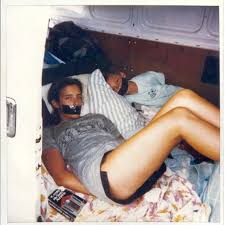
IntroductionThe disappearance of Tara Leigh Calico on September 20, 1988, remains one of the most perplexing and haunting mysteries in American history. Despite extensive investigations and numerous leads, the case has never been conclusively solved. This article delves into the details surrounding Tara's vanishing, the subsequent investigations, and the enduring questions that continue to baffle authorities and the public alike.The Day Tara Calico DisappearedOn the morning of September 20, 1988, 19-year-old Tara Calico left her home in Belen, New Mexico, around 9:30 a.m. for her routine 36-mile bike ride along New Mexico State Road 47. She rode her mother's neon pink Huffy mountain bike, as her own had a flat tire. Tara was dressed in a white T-shirt with "1st National Bank of Belen" printed on it, white shorts with green stripes, white ankle socks, and white and turquoise Avia tennis shoes. She also wore a gold butterfly ring with a diamond insert, a gold amethyst ring, and half-inch gold hoop earrings. Before leaving, she told her mother, Patty Doel, to come looking for her if she wasn't back by noon, as she had plans to play tennis with her boyfriend at 12:30 p.m. Immediate Search EffortsWhen Tara failed to return home by the designated time, Patty Doel drove along Tara's usual bike route but found no sign of her daughter. Concerned, she contacted the Valencia County Sheriff's Office to report Tara missing. Subsequent searches uncovered pieces of Tara's Sony Walkman and a cassette tape along the side of the road, leading Patty to believe that Tara may have deliberately left these items as clues to her path. Despite extensive ground and aerial searches, Tara's bicycle was never found, and no definitive evidence of her whereabouts was uncovered. Eyewitness Accounts and Suspected VehicleSeveral witnesses reported seeing Tara riding her bike along Highway 47 on the morning of her disappearance. Notably, some observed a light-colored pickup truck, possibly a 1953 Ford, with a camper shell, following closely behind her. This vehicle has been a focal point in the investigation, but despite efforts, neither the truck nor its driver has been positively identified. The Disturbing Polaroid PhotographIn June 1989, nearly nine months after Tara's disappearance, a Polaroid photograph was discovered in the parking lot of a convenience store in Port St. Joe, Florida. The image depicted a young woman and a boy, both bound and gagged, lying on a bed inside what appeared to be a van. The woman bore a striking resemblance to Tara, leading her family to believe it was her. Analysis of the photograph yielded inconclusive results; while Scotland Yard concluded that the woman was likely Tara, the Los Alamos National Laboratory disagreed, and the FBI's analysis was also inconclusive. The identity of the individuals in the photograph remains unconfirmed. Subsequent Developments and TheoriesOver the years, various theories and leads have emerged regarding Tara's fate. In 2008, Valencia County Sheriff Rene Rivera stated that he had received information suggesting that two teenagers had accidentally struck Tara with a vehicle, panicked, and subsequently killed her to cover up the accident. According to Rivera, the individuals involved were known, but without physical evidence, no arrests could be made. This claim has been met with skepticism, particularly from Tara's family, who expressed frustration over the lack of concrete action. Renewed Investigations and Current StatusIn October 2019, the FBI announced a reward of up to $20,000 for information leading to the identification or location of Tara and the arrest and conviction of those responsible for her disappearance. In September 2021, authorities executed a sealed search warrant on a private residence in Valencia County, indicating potential new leads in the case. As of June 2023, the Valencia County Sheriff's Office reported having sufficient evidence to submit the case to the District Attorney for possible charges, though details remain undisclosed. The Impact on Tara's FamilyTara's disappearance had a profound impact on her family. Her mother, Patty Doel, and stepfather, John Doel, dedicated their lives to searching for her, even becoming auxiliary deputies to aid in the investigation. They maintained Tara's room as she left it, holding onto hope for her return. Patty passed away in 2006, and Tara's biological father died in 2002, both without answers regarding their daughter's fate. Tara's siblings and stepfather continue to seek closure. Conclusion The disappearance of Tara Calico remains an enduring mystery that has captivated and haunted the public for over three decades. Despite numerous leads, theories, and renewed investigative efforts, definitive answers have remained elusive. The case underscores the complexities and challenges inherent in missing persons investigations and serves as a poignant reminder of the lasting impact such cases have on families and communities. As authorities continue to pursue justice, the hope persists that one day, the truth about what happened to Tara will come to light.