

Win a Pilot Cold Case Unit in 18–24 Months for Families and Advocates
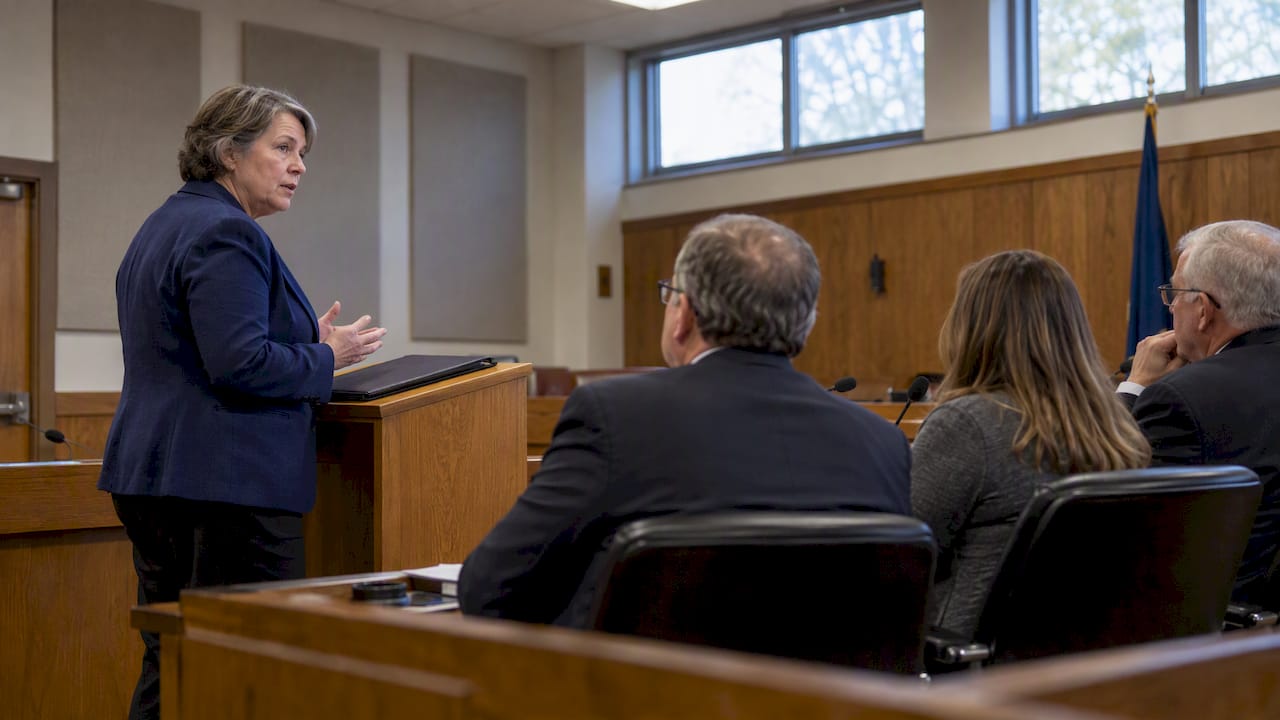
The highest-impact reforms advocates can push for are dedicated cold-case units, expanded lawful access to forensic databases and private labs, codified victim-communication rights, and sustained grant funding. Start by asking your local agency whether it has a cold-case unit, contacting lawmakers about CODIS access reforms, and requesting a case-file review under HVFRA if a federal murder case has gone cold for years. The NIJ and DOJ Attorney General guidelines both outline the mechanics; groups like Crime Solvers Central can help you organize the research behind your ask.
TL;DR:
- Barrier improvements depend on increased funding for detective staffing, private lab partnerships, and multijurisdictional task forces to address backlog and fragmentation.
- DNA collection timing, especially at prison intake, significantly accelerates case solvability, with private lab access and statutory reforms enhancing testing capacity.
- Victim-family rights and procedural transparency, like case-file reviews and regular updates, boost advocacy, especially when paired with technical reforms.
- Local success stories, such as using genetic genealogy or changing DNA collection policies, are crucial for persuading policymakers to fund sustained cold-case efforts.
- Persistent, specific advocacy over months, supported by documented case examples and operational evidence, effectively shifts policy priorities and budgets.
Table of Contents
- Why homicide clearance rates keep slipping and what it means for advocacy
- Policy solutions with evidence: the reforms that improve solvability
- A practical advocacy playbook: step-by-step actions for families and advocates
- Funding and technical resources advocates should push for
- Evidence and short case examples that persuade policymakers
- Advocate perspective: why steady pressure matters
- How Crime Solvers Central can support your advocacy
- FAQ
- Sources
Why homicide clearance rates keep slipping and what it means for advocacy
Clearance rates for homicide have declined over time, and a significant number of cases nationally remain unsolved. That gap is not random. It traces back to a handful of structural problems that policy can actually fix, which is why advocacy has leverage here in a way it does not on, say, overall crime trends.
Police departments report chronic staffing shortages in homicide and cold-case units, which means fewer detective hours per open file. Forensic labs carry backlogs that delay DNA results for months, sometimes years, pushing leads cold before they are ever tested. Jurisdictional fragmentation means a body found in one county, a suspect living in another, and evidence sitting in a third state’s lab rarely gets coordinated without a dedicated structure to force that coordination. Statutory limits on who can process DNA, when agencies must collect it, and which labs can upload to national databases compound all of this.
Each cause maps to a specific lever advocates can pull:
- Staffing gaps point to budget lines for dedicated detective and analyst positions, not just equipment grants.
- Lab backlogs point to funding for lab capacity and, where appropriate, accredited private-lab partnerships.
- Fragmentation points to statutory authority and funding for multijurisdictional task forces.
- Outdated collection rules point to state-level DNA statute reform, such as changing when samples are taken from incarcerated people.
NIJ’s national best practices frame this as a structural problem, not a motivation problem: the agencies working these cases usually want to solve them, but they are working without the staffing, tools, or legal authority to do it efficiently.
Policy solutions with evidence: the reforms that improve solvability
Advocates do not need to invent new ideas. A short list of reforms already has documentation behind it, and knowing which to push for first makes a campaign sharper.
Cold-case units and multijurisdictional task forces. NIJ’s best-practices guidance recommends standing units staffed with trained investigators who apply current forensic methods to reanalyze old evidence, often in partnership with neighboring jurisdictions. NIJ field reporting finds that progress tends to come from steady, dedicated teams doing incremental reanalysis, not from isolated breakthroughs, which is an important point to make when a city council asks whether a unit is worth funding year after year.
DNA policy reforms. Collection timing matters enormously. States that collect DNA at prison intake rather than at release or parole generate more matches sooner, because the sample enters the system months or years earlier.
Database and lab access reforms. The proposed CODIS Access Modernization Act (H.R.7916) would let eligible accredited private labs upload qualifying DNA profiles directly to the National DNA Index System, aimed at cutting the backlog created when every sample has to route through a public lab queue.
Victim rights and procedural transparency. The Homicide Victims’ Families’ Rights Act implementation guidance creates a pathway for families to request case-file review and possible reinvestigation on federal cold-case murders. Pair that with the Attorney General’s victim-communication guidelines, which call for proactive, continuous updates to families rather than silence between developments.
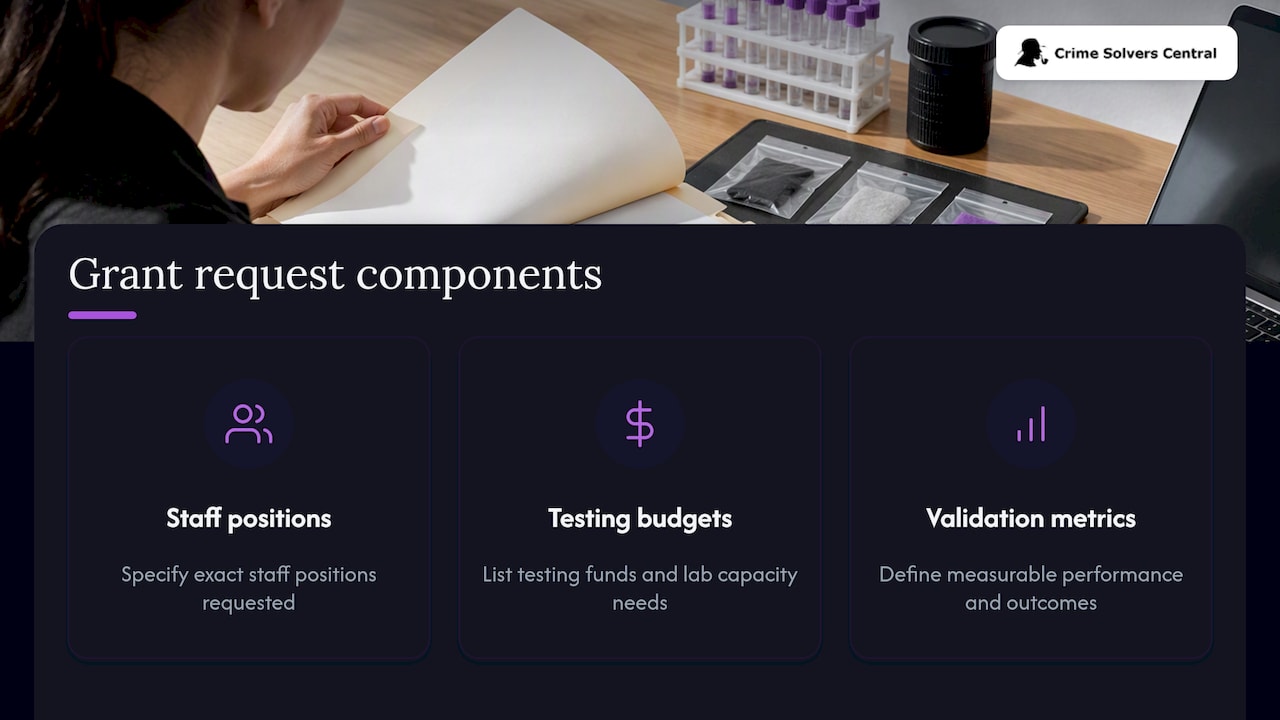
Funding and performance measures. Grant requests land better when they specify staff positions, testing budgets, and validation metrics rather than asking for an undefined lump sum.
Pro Tip: Pair every technical ask (lab capacity, database access) with a procedural ask (family updates, case review) because the second is politically resonant and already grounded in DOJ guidance.
A practical advocacy playbook: step-by-step actions for families and advocates
Turning this menu into a campaign takes sequence; understanding how advocacy organizations shape U.S. public policy can help structure effective steps toward change. Here is a working order that holds up at local, state, and federal levels.
- Research first. Pull whatever solvability indicators your local agency publishes, identify two or three specific stalled cases as examples, and document where the process broke down, whether that is a lab backlog, missing database entry, or no assigned detective.
- Draft a concrete ask. Write the request as you want it to appear in a budget line, a statutory amendment, or a department policy directive. Vague requests get vague answers.
- Build influence. Request a meeting with your local prosecutor or police chief, testify at a budget or judiciary hearing, circulate a petition, and reach out to local media with a specific case and a specific ask attached.
- Sustain pressure. Track bill progress at the state legislature or in Congress, file FOIA requests for case status updates, and look for a prosecutor’s office willing to partner on advocacy rather than treat you as adversarial.
- Propose measurable targets. Ask for a defined caseload per investigator, a backlog-reduction timeline, mandatory ViCAP or NamUs entry for qualifying cases, and a set schedule for family updates.
Pro Tip: A pilot cold-case unit with an 18 to 24 month timeline and a public report at the end is an easier “yes” for a city council than an open-ended budget request, and it generates the evidence you need to ask for permanent funding.
For families specifically, a focused case review request is often the fastest entry point, since it does not require legislative action, just a documented, formal ask to the agency holding the file.
Funding and technical resources advocates should push for
Grant programs exist specifically for cold-case work, and most agencies simply are not applying for them. That is a gap advocates can close by making the case to department leadership directly.
The Bureau of Justice Assistance’s Prosecuting Cold Cases Using DNA program funds investigative and prosecutorial work on violent cold cases where a suspect DNA profile already exists, and it comes with requirements like entering the case into ViCAP and reporting on outcomes. When you talk to an agency that has not applied, suggest specific language: cite the program’s eligibility for cases with an existing profile, and offer to help draft a letter of local support.
- Ask agencies to confirm whether open cases with viable DNA are entered in ViCAP, since several BJA funding notices treat that entry as a condition of eligibility.
- Encourage partnership with state or regional labs rather than waiting for in-house capacity that may never materialize.
- Push for public-private lab partnerships to carry explicit quality standards, specifically FBI quality-assurance standards and ISO 17025 accreditation, plus chain-of-custody protocols.
The CODIS Access Modernization Act proposes allowing eligible accredited private labs to upload DNA profiles directly to the national database, a change supporters argue would shorten the queue, which currently routes every sample through public lab capacity alone.
Any private-lab or genealogy partnership advocates support should come with privacy and accountability guardrails attached, not as an afterthought but as part of the ask itself.
Evidence and short case examples that persuade policymakers
Specific, documented examples move policymakers faster than general appeals. A few are worth keeping in your back pocket for testimony, op-eds, or meetings.
- A Michigan multijurisdictional cold-case team changed the timing of prison DNA collection to intake rather than release, a shift that NIJ field notes describe as producing dozens of identifications and helping spur the state’s legislative change.
- NIJ’s broader field reporting documents multiple instances where combining agency resources and applying forensic genetic genealogy to old evidence produced identifications that single-agency efforts had not.
- Even a case that is not immediately solved can show progress: re-examining evidence and entering it into current databases moves a file to “contemporary status,” a visible marker of movement that advocates can point to when asking why funding should continue.
These examples share a pattern: legislative change tends to follow operational proof, not the other way around. A documented local win is often the strongest argument for a statutory one.
Advocate perspective: why steady pressure matters
Families rarely win policy change with a single dramatic ask. What moves a city council or a state legislator is the same family showing up to three hearings in a row, each time with a sharper, more specific request than the last. I have watched a single persistent voice shift a department’s budget priorities over eighteen months, not through outrage but through repetition and documentation. The framing that works in a room full of skeptical officials is simple: this is not about blame, it is about what the data already shows works, and whether we are willing to fund it.
— Crime
How Crime Solvers Central can support your advocacy
Building a credible case for policy change takes documentation, and that is where our national case database helps. We give members searchable case files organized by state and situation, forum access to connect with other advocates, a flyer builder, and AI image tools, all useful for assembling the kind of constituent story that makes a legislative ask concrete instead of abstract. Membership starts at $3.97 a month with the Jr. Detective plan, with Sr. Detective and True Crime Influencer tiers available for deeper access.
This article is general information, not a substitute for advice from a qualified lawyer. Consult a qualified legal professional about your own circumstances before acting on anything here.
FAQ
Is it true that half of murders go unsolved?
Clearance rates vary significantly by jurisdiction and year, and a substantial share of homicides nationally are never cleared, but the exact proportion depends on the data source and time period. Rather than citing a single fixed figure, advocates are better served pointing to NIJ’s own framing of clearance decline as a structural, fixable problem.
What state has the most homicides?
Homicide totals and rates shift from year to year and depend heavily on whether you measure raw counts or per-capita rates, so naming a single fixed answer risks citing outdated figures. Advocates should check current state-level data from a primary source like the FBI’s Uniform Crime Reporting program before citing a specific ranking.
Which state has the highest rate of unsolved murders?
Unsolved-murder rates are not tracked in a single standardized national dataset, which makes a definitive ranking hard to state with confidence. What is documented is that clearance rates differ widely by agency and region, driven by staffing, lab capacity, and whether a dedicated cold-case unit exists.
What are some unsolved homicide cases in Cincinnati, Ohio?
Specific open cases change as investigations progress, reopen, or close, so the most reliable way to find current unsolved Cincinnati-area homicide cases is through a searchable case database organized by state, such as the one we maintain, or directly through the local police department’s cold-case unit.
How do I start advocating for a cold-case unit in my area?
Start by asking your local police department or sheriff’s office whether a dedicated cold-case unit already exists and, if not, request a meeting with the chief or prosecutor to discuss NIJ’s best-practices model. Bring a specific proposal, such as a time-limited pilot unit with public reporting, rather than an open-ended request.
Sources
- National best practices: implementing and sustaining cold case investigation (NIJ)
- Congress
- Prosecuting Cold Cases Using DNA Program (BJA)
- DOJ consultation on HVFRA implementation (Department of Justice)