

Help Solve Cold Cases: A Safe Plan for Families and Volunteers

If you want to help solve a cold case, the fastest way to make a useful contribution is to submit well-documented, verifiable tips and digital evidence through official channels such as local police, the FBI tips portal, and NamUs, and to volunteer only through vetted, supervised programs. Organized, labeled evidence beats speculative social media posts every time. Preserve originals, send them where investigators will actually see them, and skip the lone-wolf sleuthing.
TL;DR:
- Most valuable information for investigation includes precise dates, locations, and original digital evidence without editing or renaming.
- Immediate sightings or dangers should be reported via 911 or local police, not national portals like the FBI tips line.
- Private citizens should never attempt their own genealogical DNA searches; all genetic leads must be flagged to law enforcement.
- Organized volunteering through vetted programs provides constructive help and access to case information under official oversight.
- Public advocacy must focus on verified facts, avoid leaked or personal information, and work with families and agencies to prevent harm.
Table of Contents
- Where to report tips and how investigators use each channel
- How to prepare and submit evidence investigators can actually use
- Digital advocacy that helps instead of hurts
- Volunteering through universities, task forces, and vetted teams
- What volunteers should know about forensic genetic genealogy and its limits
- How Crime Solvers Central helps you organize and track your contribution
- Why disciplined community action matters
- Get started with Crime Solvers Central
- FAQ
- Sources
Where to report tips and how investigators use each channel
Urgent, in-progress information (a sighting right now, a location where someone may be in danger) belongs with 911 or your local non-emergency police line, not a national tip portal that may take time to route. For everything else, where you report matters as much as what you report.
- Local police handle jurisdiction-specific leads and are often the agency of record for the original case file.
- The FBI tips portal at tips.fbi.gov (or 1-800-CALL-FBI) takes tips nationally, allows anonymous submissions, and on some case-specific digital tip lines caps uploads at four files and 5,000 MB per file.
- NamUs serves as the national clearinghouse for missing, unidentified, and unclaimed person cases, offering free resources to families and a multidisciplinary review process for agencies that request it.
NamUs matters most for long-running disappearances or unidentified remains, where a case may need forensic odontology, anthropology, or genetic comparison pulled together across jurisdictions. A family member can create a case profile and request that review; an agency can request a full multidisciplinary team session. Our cold case database guide walks through how those searches and submissions typically work.
How to prepare and submit evidence investigators can actually use
A useful tip reads like a police report, not a theory. Before you submit anything, gather the details that let an investigator verify and act on what you know.
- Note the exact date, time, and location, as precisely as you can reconstruct them.
- Keep the original photo, video, or document file; avoid cropping, recompressing, or editing it before submission.
- Write short contextual notes: how you obtained the material, who else might corroborate it, and any vehicle or physical descriptions.
- State clearly whether you are willing to be contacted for follow-up.
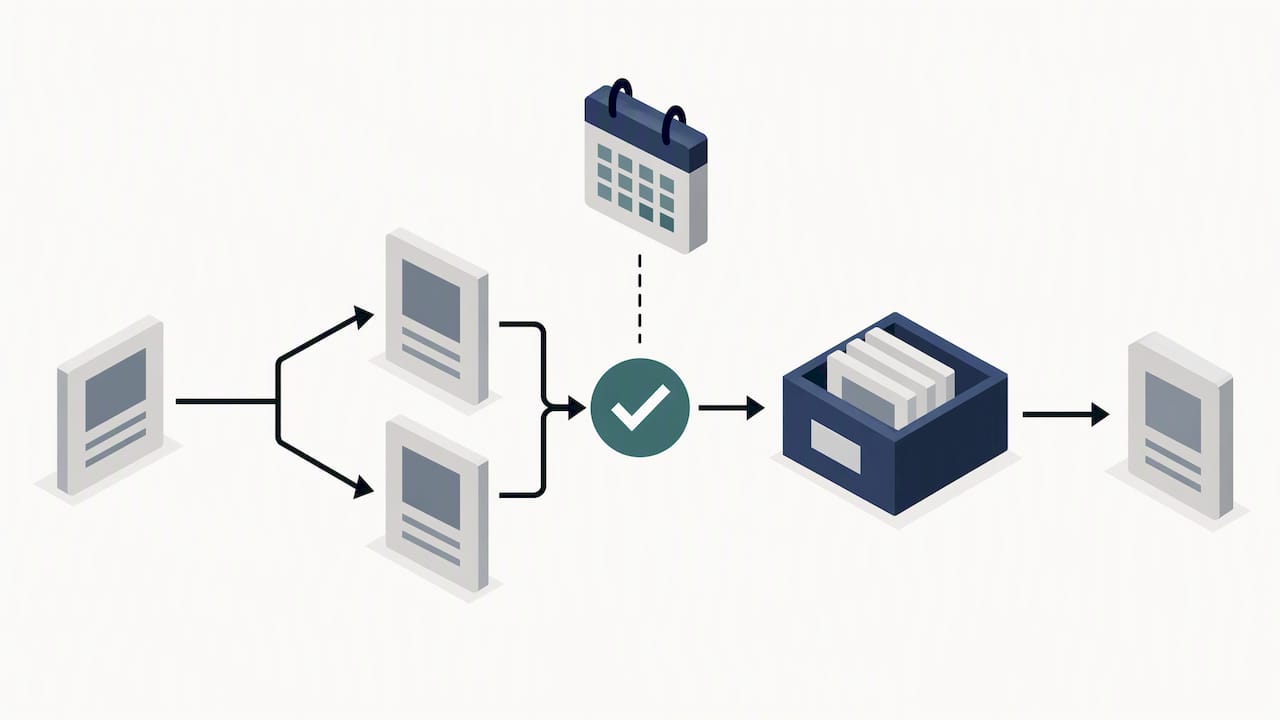
- Submit once through the correct official portal, attach your notes, keep your own copy, and wait for a response rather than resubmitting.
Original filenames and device information help investigators trace a file’s chain of custody, so resist the urge to rename or filter images before you send them. Our guide on reporting information about a cold case covers documentation habits in more depth.
Pro Tip: Save a dated copy of everything you submit, including the confirmation screen or email, in case an investigator needs to follow up months later.
Digital advocacy that helps instead of hurts
Public attention can genuinely move a stalled case, but only when it stays disciplined. Sharing is not the same as investigating.
- Do share facts the family or agency has confirmed, link directly to the official tip portal, and use a clear timeline rather than scattered claims.
- Don’t publish unverified accusations, leaked evidence, or personal information that could amount to doxxing; these moves can compromise a future prosecution and retraumatize survivors.
- Do centralize verified facts in one place, coordinate with next of kin or the agency’s public information officer, and keep a record of sources and timestamps before amplifying anything.
Our articles on amplifying overlooked cold case victims and crowdsourcing tips on unsolved homicides go deeper into structuring a campaign that supports, rather than undermines, an active case.
Volunteering through universities, task forces, and vetted teams
Structured volunteering gives investigators consistent, accountable help instead of scattered outside noise.
- University cold case programs typically review case files under faculty supervision and share findings back to the originating agency through a formal request process, not directly with the public.
- Vetted community teams generally focus on research, public outreach, and fundraising, operating under a memorandum of understanding with the agency so access to sensitive material stays controlled.
- When you approach an agency directly, describe your verifiable skills (research, data entry, outreach), follow their intake process exactly, and accept that you will not see restricted evidence.
Our piece on collaborating with communities on unsolved crimes outlines what that intake conversation usually looks like.
What volunteers should know about forensic genetic genealogy and its limits
Traditional forensic DNA testing (STR profiling run through CODIS) compares a small number of genetic markers against a law enforcement database. Forensic genetic genealogy (FGG, sometimes called FGGS) is different: it uses SNP-based genetic genealogy databases, usually reserved for violent crimes or unidentified remains that have exhausted other leads.
- The Department of Justice’s interim policy on FGGS sets specific case criteria, procedural safeguards, and requires a designated lab official and prosecutor involvement before agencies move forward.
- That same policy chain is why private citizens should never attempt their own genealogical searches on an active case; a DNA match found outside this process can taint or delay prosecution instead of helping it.
- If you believe you have a genetic lead, the right move is to flag it to the investigating agency, not a consumer DNA site.
Investigators follow a documented chain of safeguards before using genetic genealogy on a case, a process the DOJ interim policy lays out in detail to protect both the investigation and the privacy of unrelated relatives. Our guide to DNA in cold cases breaks this down further.
How Crime Solvers Central helps you organize and track your contribution
We built our platform to sit alongside official reporting, not replace it. Our searchable national case catalog lets you locate a case by state and situation before you ever draft a tip.
- Membership access unlocks full case files, sources, and forum discussion so you can cross-check details before submitting anything.
- Our flyer builder and A.I. image progression tools help families and volunteers produce updated materials for outreach.
- Volunteer coordination features let teams organize research and divide tasks without posting restricted evidence publicly.
Many people use these tools to gather and label their materials first, then submit the finished tip through official channels like the FBI portal or NamUs, following the order investigators prefer. Our guide on submitting a cold case tip walks through that sequence.
Why disciplined community action matters
Community leads have moved stalled cases forward for decades, but only when they respect survivors and feed information into the official process instead of around it; for more unusual examples, see the weirdest crimes in the Los Angeles area. Submit one well-documented tip, or join a vetted volunteer program, and let investigators do the rest.
— Crime
Get started with Crime Solvers Central
Once you understand where tips go and how investigators want information presented, having a place to organize your own research makes the whole process faster. Our database lets you search cold cases by state before you start building a tip, and membership opens full case files, forums, and our flyer builder for anyone ready to go deeper.
- Jr. Detective starts at the prices listed on our pricing page.
- Sr. Detective runs at prices detailed on our website, with broader case access.
- True Crime Influencer is available at prices shown on our pricing page, designed for heavier community involvement.
None of this replaces reporting through official channels. It gives you a workspace to organize facts before you send them where they count. Check current plans and pricing to see which level fits how involved you want to be.
FAQ
Can you volunteer to help solve cold cases?
Yes, through structured paths like university cold case programs, vetted community teams, and agency-approved task forces rather than informal independent investigation. These programs typically require you to follow an intake process and accept limits on what evidence you can access.
Can AI help solve cold cases?
AI tools can assist with tasks like age progression imaging and organizing large volumes of case data, which is part of why our platform includes A.I. image tools for families and volunteers. AI does not replace forensic testing or official investigative work, and any leads it helps generate still need to go through law enforcement.
Can you give me a list of cold cases that have been solved?
There is no single universal list, but national resources like NamUs track case outcomes, and our own case catalog organizes cases by state and status including some that have reached resolution. Checking a specific state’s database is usually faster than searching for a general list.
Can you help solve cold cases?
Individuals can meaningfully help by submitting verifiable tips through official channels, preserving original digital evidence, and joining vetted volunteer efforts rather than acting alone. Organized, well-documented contributions through the FBI tips portal or NamUs are far more likely to move a case forward than public speculation.
Sources
Start with the FBI tips portal, NamUs, NIJ’s cold case best practices, and the DOJ’s FGGS policy. Our database is a practical next step for organizing your own research.
- FBI contact us / tips information
- NamUs frequently asked questions / overview
- Department of Justice interim policy on forensic genetic genealogical DNA analysis and searching