
Apr 30, 2010
Mar 19, 2024
Elsie
Luscier
58
13
61 inches
110 lbs
American Indian / Alaska Native
Female
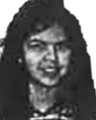
In the late summer of 1979, on the Quinault Indian Reservation in Taholah, Washington, a 13-year-old girl named Elsie Luscier vanished. It was August 30th when Elsie, a young female with brown hair and brown eyes, was last seen. She was not alone; with her was her 12-year-old cousin, Carlotta Sanchez. The two girls disappeared together from the coastal reservation, leaving behind a mystery that would stretch on for decades, becoming one of Washington's most enduring missing persons cases involving Indigenous youth. The initial belief held by many, including law enforcement, was that the cousins had run away, a theory that significantly delayed the start of an official search. This delay, a critical loss of time in any missing persons investigation, would be a source of anguish for the family for years to come. For many years, the disappearance of Elsie and Carlotta was classified as an endangered runaway case. There were suggestions that the girls might have traveled to Seattle or even Arizona, but no concrete evidence ever surfaced to support these theories. The case files, at times, seemed to get lost in the shuffle of other investigations, overshadowed and lacking the dedicated attention required to unravel such a complex situation. It wasn't until decades later, with the emergence of new information, that the possibility of a more sinister reason for their disappearance began to be seriously considered by investigators. This shift in perspective prompted federal resources to be assigned to the case, breathing new life into the search for answers. The FBI opened an investigation, signaling a significant development and a renewed hope for the families who had waited so long for progress. The passage of over four decades has not diminished the hope of finding out what happened to Elsie Luscier and her cousin. The FBI is now offering a reward of up to $5,000 for information that leads to the recovery of Elsie and the conviction of anyone responsible for her disappearance. Law enforcement officials believe there are people within the community who hold crucial information about that day in 1979 and have urged them to come forward, suggesting that the weight of such knowledge may be a heavy burden to carry. The case of Elsie and Carlotta is a heart-wrenching example of the crisis of missing and murdered Indigenous people in Washington, a state with one of the highest numbers of such cases in the country. Despite the years of silence and the initial missteps in the investigation, the renewed focus from federal agencies and the persistent pleas from their family offer a glimmer of hope that one day, the full story of what happened to the two young cousins will finally be brought to light, providing some measure of peace to those who have never stopped searching for them.
Aug 30, 1979
Taholah
Washington
Grays Harbor County
98587
Yes
8469
Seattle Police Department
Seattle
Washington
King County
98104
610 5th Avenue, Washington
2066255011
Local
Law Enforcement
04-431911
2004-10-13
Seattle Police Department
Brown
Brown
Brown
06/22/2026