Crime Solvers Central
302 Cases Solved. Advancing justice for missing persons, unsolved homicides, unidentified and unclaimed remains.

Case Description

Any updates on this case? Let us know!
Summary based on 1 source
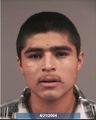
Armando Bojorquez, a 43-year-old Hispanic male, went missing in 1996, and the details surrounding his disappearance are not entirely clear, with conflicting information reported by different agencies. He is described as having black hair and brown eyes, standing at 5'9" and weighing approximately 155 pounds. Some sources refer to him by the first name "Amado."

According to one account, Bojorquez was last seen by his family members in July of 1996. However, a pivotal event occurred on November 28, 1996, when he was arrested in Fairfield, California. His whereabouts following this arrest are unknown, marking this as his last confirmed location in this version of events.

Further complicating the timeline, some agencies report the date of his disappearance as January 7, 1996, and the location as Milpitas, California. The State of California's Department of Justice Office of the Attorney General lists "Amado Bojorquez" as having been last seen on July 1, 1996, in Milpitas. Despite the discrepancies in the date and location of his last sighting, the Oakland Police Department is the agency investigating his disappearance. Few other details are publicly available in connection with this cold case.

Last Seen: Nov 28, 1996

Links to Additional Sources (1)

See any mistakes? Let us know!

Possible Unidentified Matches (1)

Unidentified remains cases whose details are consistent with this person, ranked by how closely they compare. Fields that are unknown in either case are left out of the score.

75%Possible
John Doe — Pacoima, California
UP3436 • Found Oct 15, 1997
View case
Sex ✓Male
Age 100%Est. 42–52 vs 43
Race 100%Hispanic
Location 75%Same state
TimingFound 11 months after last seen
Weight 100%167 lb vs 155 lb

These comparisons are generated automatically from public NamUs case data and are not confirmed identifications. Only DNA, dental or fingerprint comparison by investigators can confirm an identity. If you believe two cases are connected, contact the agency handling the unidentified case.