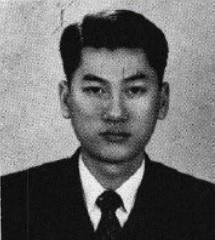
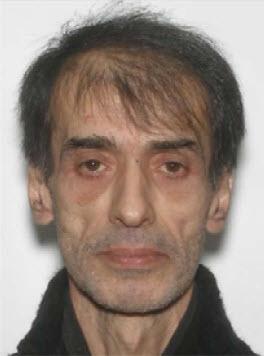
Summary based on the NamUs case record (can2018062818) and
1 other sourceIn the spring of 1993, a young man's life took a sudden and unexplained turn, leaving a void in the lives of those who knew him. On April 26, 1993, 26-year-old Rafat Mahmoud Abugazia was last seen in Toronto, Ontario. In the days and weeks that followed, what began as a hopeful search for a missing person slowly evolved into a long and painful mystery. The vibrant city of Toronto, with its bustling streets and diverse communities, held no immediate answers as to his whereabouts.
His disappearance marked the beginning of a long and arduous journey for his family and friends, one filled with unanswered questions and the enduring pain of not knowing.
As time stretched from days into weeks, and then into months and years, the lack of any significant leads in Rafat's case became a heavy burden. Investigators explored various avenues, following up on any potential sightings and interviewing those who had last seen him. However, each path seemed to lead to a dead end, with no concrete evidence to suggest what might have happened to him. The passage of time can often erode memories and obscure details, making the already difficult task of solving a missing person's case even more challenging. Despite the efforts of law enforcement and the heartfelt pleas from his loved ones, Rafat's case grew cold, joining the unfortunate ranks of other long-term unsolved disappearances.
The story of Rafat Mahmoud Abugazia's disappearance is a poignant reminder of the silent suffering that accompanies such unresolved cases. The absence of closure leaves an indelible mark on families, who are left to navigate a world of ambiguity and longing. While the specifics of what transpired on that late April day in 1993 remain unknown, the case serves as an overview of the complexities and frustrations inherent in missing persons investigations from that era. Without the benefit of modern technology and the widespread use of surveillance that exists today, cases like Rafat's often relied heavily on witness testimony and tangible evidence, which in this instance, were tragically scarce. The hope for answers, however faint, continues to be a testament to the enduring love and memory of those left behind.Last Seen: Apr 26, 1993