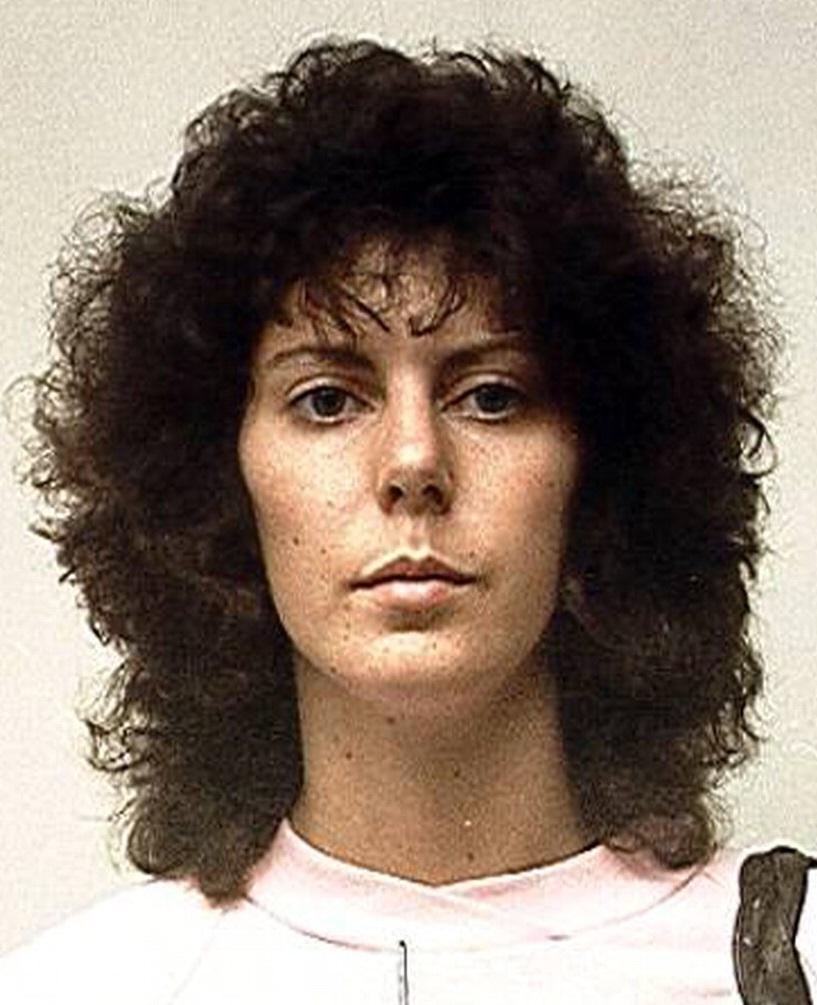
In the late summer of 2008, 16-year-old Maisy Odjick, a vibrant member of the Kitigan Zibi Anishinabeg Nation in Quebec, vanished without a trace along with her best friend, 17-year-old Shannon Alexander. The two girls were last seen on September 6, 2008. The evening before, they had attended a school dance at the Maniwaki Arena and had planned a sleepover at Shannon's apartment in the adjacent town of Maniwaki.
The last confirmed sighting of Shannon was on the morning of September 6th, when she walked her father to the bus station. Maisy was reportedly at the apartment at that time. When Shannon's father returned, both girls were gone, but their purses, wallets, identification, and even Shannon's medication had been left behind, suggesting they had every intention of coming back.
The initial days of the investigation were fraught with frustration for the families. The local Kitigan Zibi police initially classified Maisy and Shannon as runaways, a label their loved ones vehemently disputed, citing the girls' close ties to their families and the fact that they had left all their essential belongings. This initial assessment is believed by Maisy's mother, Laurie Odjick, to have significantly stalled the early progress of the investigation. It wasn't until 2009 that the Sûreté du Québec, the provincial police force, took over the case. In the years that followed, the families, along with their community, organized their own search efforts, driven by a painful lack of official action in the critical early stages. No Amber Alert was ever issued for the two teenagers.
Over the years, the search for Maisy and Shannon has continued, marked by periods of hope and profound disappointment. Tips have led to several searches, including a significant one in 2017 of Pitobig Creek on the Kitigan Zibi reserve after new information surfaced, though it yielded no clues. Age-progressed sketches were released in 2015 to show what the young women might look like as adults. The disappearances of Maisy Odjick and Shannon Alexander have become a symbol of the larger crisis of Missing and Murdered Indigenous Women and Girls in Canada, highlighting the systemic issues and perceived indifference that often characterize these cases. Laurie Odjick has become a tireless advocate, ensuring her daughter's story and the plight of other missing Indigenous women are not forgotten. The case remains an open and painful wound for their families and the community of Kitigan Zibi, a stark reminder of two lives interrupted and the enduring quest for answers and justice.Last Seen: Sep 6, 2008