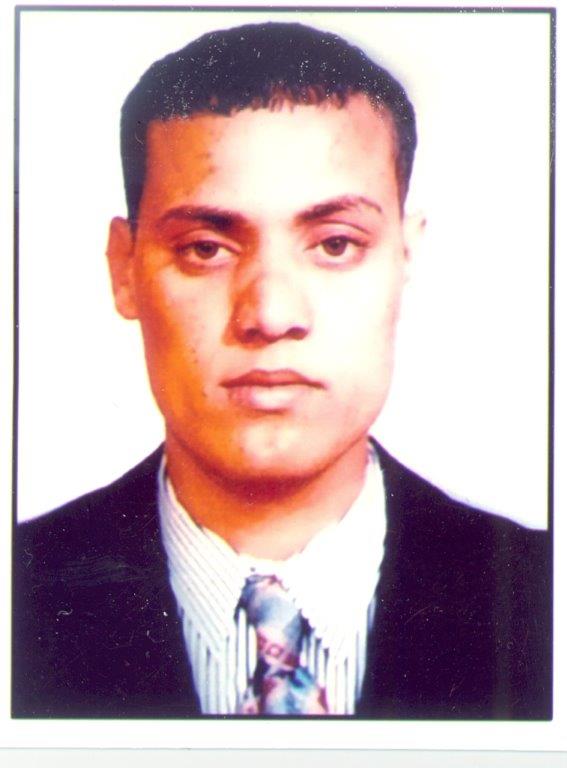
David J. Black was a 55-year-old man who was reported missing after he was last seen in Toronto, Ontario, on November 2, 1982. What began as an ordinary day became the dividing line between the life David had been living and a disappearance that would stretch across decades. Publicly accessible information about his case is extremely limited, leaving few details about where in Toronto he was last observed, what he had been doing beforehand, or what plans he may have had after that final known
sighting. There is likewise little publicly available information describing the precise circumstances in which concern was first raised for him. What is clear is that David disappeared from Toronto at the age of 55 and did not simply return to his normal routine, leaving those who knew him without the answers that usually come with the passage of time.
The scarcity of surviving public information makes David's disappearance particularly difficult to reconstruct. Online records do not provide a detailed hour-by-hour account of his movements before he vanished, nor do they publicly identify a particular residence, business, transportation route, vehicle, destination, or Toronto neighbourhood that investigators could use to define his final movements. There is no widely available account describing whether David had been expected to meet someone, return home at a certain time, travel elsewhere, or complete an ordinary errand. Similarly, publicly accessible reports do not provide a detailed description of the initial search, interviews with relatives or acquaintances, possible sightings after his disappearance, or specific investigative leads that may have been pursued. In a case dating to 1982, this absence of detail is significant because many of the investigative resources available today—including widespread surveillance cameras, cellular-phone location information, electronic financial records, and digital communication histories—simply did not exist. Investigators at the time would have depended much more heavily upon witnesses, personal records, telephone calls, physical searches, and information supplied by people who knew David.
As the years passed, the unanswered questions surrounding David's disappearance became more difficult rather than easier to resolve. With so little information available publicly, there is no responsible basis for claiming that he left Toronto voluntarily, suffered an accident, encountered another person, travelled outside the area, or met with any other particular circumstance. Each of those possibilities would require evidence, and the publicly available record does not establish one explanation over another. The lack of a detailed narrative should not be mistaken for a lack of importance. Behind the brief information preserved about this case was a real person whose absence would have been felt by friends, relatives, acquaintances, and anyone waiting for him to return. Every missing-person investigation represents not only a question of where someone went, but also the long uncertainty endured by those who knew that person and were left without an explanation.
David J. Black's case therefore remains defined by a small number of firmly established facts and a much larger number of unanswered questions. He was a 55-year-old man last known to be in Toronto, Ontario, on November 2, 1982, and the publicly available information does not provide a detailed explanation for what happened to him afterward. No reliable public narrative establishes his subsequent movements or explains the circumstances that caused him to disappear. More than four decades after that last known day, his story stands as one of those long-running missing-person cases in which the passage of time has not produced the detailed answers that families and investigators hope to find. In overview, David's disappearance began with his final known presence in Toronto, continued through years without a publicly documented explanation of what became of him, and remains a deeply unresolved absence in which even a seemingly small piece of credible information about his movements, associations, or circumstances could help provide context to a case that has remained painfully incomplete.Last Seen: Nov 2, 1982