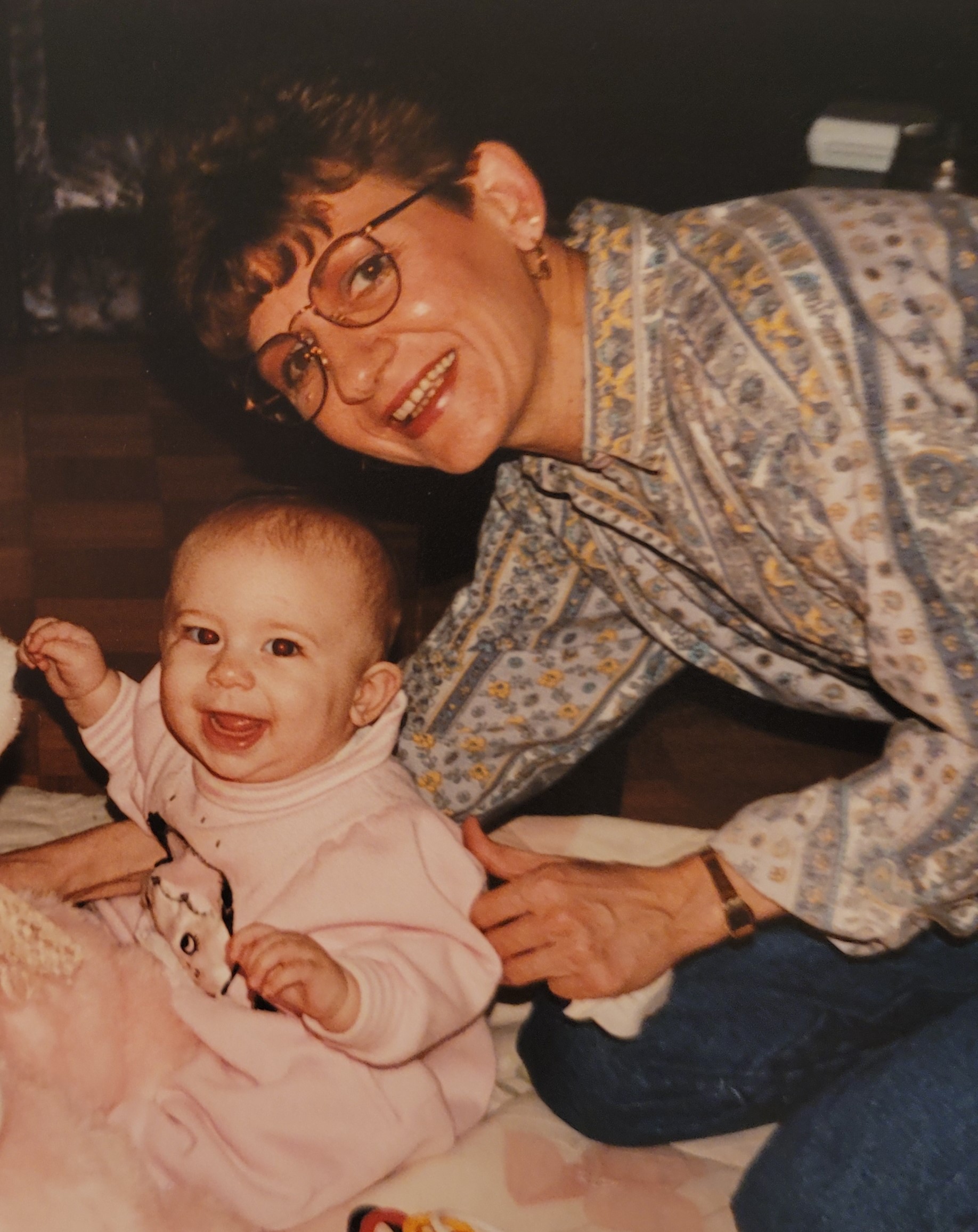
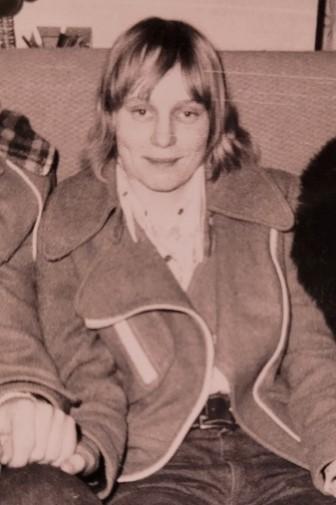
Summary based on the NamUs case record (can2024015900) and
1 other sourceMary Elizabeth Clarke was 52 years old when she was last seen on April 8, 1990, in Niagara Falls, Ontario. She was an adult woman whose disappearance dates back more than three decades, placing the circumstances of her case in a period when many of the investigative tools now routinely used in missing-person cases—such as widespread surveillance cameras, mobile-phone location records, digital communications, and modern DNA databases—were either unavailable or far more limited.
The publicly accessible information surrounding Mary’s disappearance is sparse, and no detailed contemporary account could be located explaining exactly what she was doing in Niagara Falls that day, who last had contact with her, or what plans she may have had. What remains firmly associated with the case is the date of April 8, 1990, her age of 52, and Niagara Falls as the location connected with her final known whereabouts.
The circumstances after Mary was last seen become considerably less clear. Available public information does not provide a verified timeline describing her movements during the remainder of April 8, nor does it identify a confirmed later sighting that explains where she went. There is also little publicly available information describing the initial search, interviews conducted during the investigation, possible areas searched, or whether investigators developed any particular theory to explain her disappearance. The absence of those details should not be interpreted as proof that such investigative work did not occur; Canadian authorities note that public missing-person databases contain only information selected for publication by the primary investigative agency and are not intended to contain every investigative detail or even every missing-person case in the country.
For Mary’s family and those who knew her, the passage of time has left an unusually long period without publicly documented answers about what happened after she was last known to be in Niagara Falls. There is no reliable public information establishing that she voluntarily began a new life, suffered an accident, encountered another person, or experienced any other specific event, and assigning such an explanation without evidence would go beyond what is known. Her disappearance therefore remains defined by a sharply divided timeline: Mary Elizabeth Clarke, a 52-year-old woman, was present in Niagara Falls, Ontario, on April 8, 1990, and the publicly available record provides no verified account of what happened to her afterward. Decades later, her case stands as a reminder that even an apparently ordinary day can become the last documented chapter in a person’s known life, leaving loved ones with questions that cannot responsibly be answered by speculation.Last Seen: Apr 8, 1990