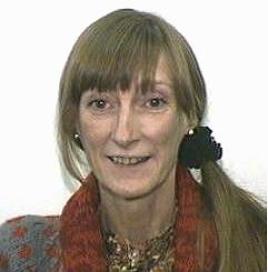
Ethel Crespo was a 17-year-old female who was last seen in Toronto, Ontario, on December 5, 1971. She disappeared while still a teenager, and the passage of more than five decades has left remarkably little public information about the circumstances surrounding the last time she was seen. Modern compilations based on Canada’s national missing-persons records continue to identify Ethel as one of Ontario’s missing children, listing her by name, age and Toronto as the city connected with her
disappearance. Her inclusion alongside other long-term missing children is significant because Canada’s Missing is maintained through the National Centre for Missing Persons and Unidentified Remains, which operates under the Royal Canadian Mounted Police and publishes cases at the request of the police, coroner or medical examiner responsible for an investigation.
Unlike many more recent missing-person investigations, Ethel’s case has not generated an extensive publicly accessible digital record describing her movements before she vanished, the specific Toronto neighbourhood in which she was last seen, the people she may have intended to meet, or the sequence of events immediately afterward. Searches of contemporary online sources reveal no detailed surviving public account of the original search, no widely published timeline of sightings after she disappeared, and no publicly documented explanation for what may have happened to her. That absence of information is especially difficult in a case involving someone who was only 17. Records from the early 1970s were created decades before online missing-person databases, social media, digital photographs, mobile-phone records and many of the other investigative resources now routinely used to circulate information about a disappearance. As a result, much of whatever was originally documented about Ethel may remain in police files, archival material or other records that have never been reproduced on the public internet. Canada’s Missing itself cautions that its website does not contain every Canadian missing-person case and explains that the decision to publish a particular profile rests with the lead investigative agency.
What can be established publicly is that Ethel’s disappearance has endured far beyond the period in which she originally vanished. More than half a century later, she continues to be remembered in modern efforts documenting Canada’s missing children. A 2026 review of children appearing on Canada’s Missing specifically included “Ethel Crespo, 17, Toronto” among Ontario cases, demonstrating that her name has not disappeared from the historical record even though detailed reporting about her circumstances remains scarce. The continuing preservation of cases such as Ethel’s is important because old investigations can sometimes be revisited when previously unavailable records are digitized, witnesses come forward later in life, relatives provide information, or investigators are able to compare historical files with newer databases. The RCMP describes the National Centre for Missing Persons and Unidentified Remains as a national resource that assists police, coroners and medical examiners across Canada, and the national database is intended in part to keep information about unresolved disappearances available for review and public recognition.
The lack of a detailed public narrative should not diminish the human reality at the center of the case. Ethel was a teenager whose life abruptly became an unanswered question, leaving behind people who knew her and a disappearance that has now stretched across generations. No reliable publicly available information located for this synopsis establishes what happened to her after she was last seen, and there is no publicly documented resolution explaining where she went or why she disappeared. Her case therefore remains defined by a small collection of confirmed facts surrounded by a large and painful absence of answers. In overview, Ethel Crespo was 17 years old when she disappeared from Toronto on December 5, 1971, and decades later her name continues to appear among Canada’s long-term missing children; although the surviving online record provides few details about the circumstances of her disappearance or the investigation that followed, her case remains preserved in the national record as that of a young woman whose fate has never been publicly explained.Last Seen: Dec 5, 1971