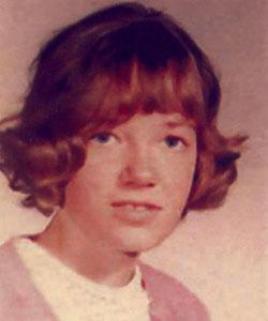
In the late summer of 1989, a sense of hope was on the horizon for the Jack family of Prince George, British Columbia, but it would tragically precede their disappearance into a mystery that has endured for decades. Doreen Ann Jack, a 26-year-old Indigenous woman, her husband Ronald, also 26, and their two young sons, nine-year-old Russell and four-year-old Ryan, were last seen in the early morning hours of August 2, 1989. The family of four vanished after Ronald was approached by a stranger in a local pub with a promising, albeit temporary, job offer. This encounter set in motion a chain of events that led to the entire family leaving their home and disappearing without a trace, leaving behind questions that have haunted their loved ones and investigators for years.
The opportunity arose on the evening of August 1, 1989, at the First Litre Pub, just a few blocks from the family's home on Strathcona Avenue.
Ronald, who was unemployed due to a back injury, was offered what seemed like a lifeline by an unknown man. The man, described as Caucasian, in his late 30s, with reddish-brown hair and a full beard, proposed a job for both Ronald and Doreen at a logging camp purportedly near Cluculz Lake. Ronald would work bucking logs, while Doreen would be a cook's helper, and the offer even included daycare for their sons. Believing this to be a chance to get back on their feet, Ronald accepted. In the hours that followed, he excitedly called his mother and brother, telling them the family would be gone for about 10 to 14 days but would return before Russell started school in September. At approximately 1:21 a.m. on August 2, Doreen, Ronald, Russell, and Ryan were seen getting into the stranger's dark-colored, four-wheel-drive pickup truck and driving away. They left most of their furniture and clothing behind, indicating every intention of coming back.
Weeks passed with no word from the family. Concerned, Ronald's mother reported them missing on August 25, 1989. The subsequent investigation was fraught with difficulties from the start. An early, erroneous report by the RCMP on September 7, 1989, stated the family had been found, briefly closing the case and causing immense distress to their relatives. Over the years, the investigation has seen few significant leads. A notable event occurred in January 1996, when an anonymous caller contacted police and claimed the Jacks were buried on a ranch, but the call was brief and the tipster never came forward again, despite public appeals. Numerous searches have been conducted, including an extensive search in August 2019 on a property on the Saik'uz First Nation reserve using ground-penetrating radar, but no evidence was found. The case lacks the modern forensic trail of digital footprints, banking records, or surveillance footage that aids current investigations, making it heavily reliant on public information.
The disappearance of the Jack family remains an open and active investigation, a haunting case that is often associated with the tragedies along British Columbia's Highway of Tears. It stands as a unique and heartbreaking mystery in Canadian history, as an entire family vanished without a trace after being lured by the promise of work. For more than three decades, their surviving family members have tirelessly advocated for answers, holding vigils and speaking out to ensure Doreen, Ronald, Russell, and Ryan are not forgotten. The case is a profound story of a family's vulnerability and a community's enduring loss, leaving behind a painful legacy of unanswered questions about the fate of four people who simply hoped for a better opportunity.Last Seen: Aug 1, 1989