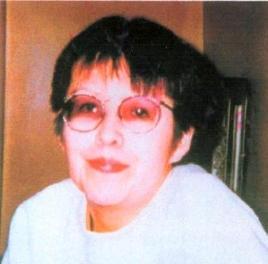
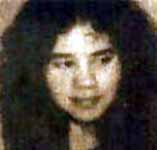
In the cold of a Canadian winter, 27-year-old Sherry Lynn Rail was last seen on January 30, 1984, in Vancouver, British Columbia. A woman with light brown hair and green eyes, Sherry was known to have a distinctive tattoo of a butterfly on her left shoulder blade. She navigated a life within the margins of society in Vancouver's Downtown Eastside, a neighborhood that in the 1980s was undergoing a significant and harsh transformation. Once a more stable, albeit poor, area, the Downtown Eastside was rapidly declining due to an influx of hard drugs and policies that concentrated sex work and drug-related activities within its boundaries. It was within this challenging environment that Sherry lived, and from which she would ultimately vanish.
The circumstances surrounding the official report of Sherry's disappearance are shrouded in a somber mystery of their own.
While she was last seen in the first month of 1984, she was not officially reported as a missing person until January of 1987, a full three years later. This delay speaks to the broader societal issues of the time, where individuals living on the fringes, particularly those involved in sex work and struggling with substance abuse, were often overlooked. Tragically, it was not uncommon for law enforcement to not take the disappearances of these vulnerable individuals seriously, sometimes requiring repeated attempts by families before an official report was filed. When Sherry disappeared, she seemingly left all her personal belongings behind in her residence, suggesting she did not intend to leave permanently.
Years have turned into decades, and Sherry Lynn Rail’s case has grown cold, yet the haunting questions surrounding her disappearance remain. Her case is classified as an endangered missing person, and there is speculation that her disappearance could be connected to the many other women who went missing or were murdered in Vancouver over the years. The possibility of her being a victim of a serial predator has been considered, including the notorious Robert Pickton, though she is not officially listed among his victims. The lack of available dental records, fingerprints, or DNA information on file has further hampered the investigation into what became of her. Sherry's story is a heartbreaking example of a life lived under difficult circumstances, and a disappearance that highlights the vulnerability of many women in Vancouver's Downtown Eastside during a period of significant social upheaval. Her case remains an open wound for those who remember her and a stark reminder of the many women who have been lost from the area.Last Seen: Jan 30, 1984