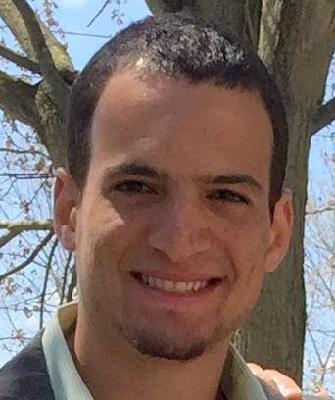
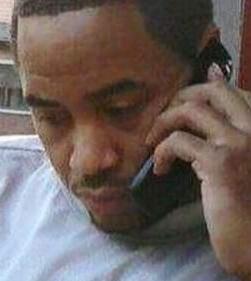
Robert T. Pinner was 27 years old when his life was cut short in Indianapolis, Indiana, on Sunday, February 12, 2012. A Black man living in the city, his death was officially classified as a homicide, a violent end to a young life that left a family in mourning and a community with unanswered questions. Public records and news reports from the time are sparse, offering few details about the man himself or the specific circumstances that led to his killing. What is known from a brief obituary is that his funeral was held on Friday, February 17, 2012, in the Chapel of Peace at Lavenia, Smith and Summers Home for Funerals, and he was laid to rest in New Crown Cemetery.
The events of that winter day remain shrouded in mystery. Details regarding the time and location of the incident, the nature of his injuries, or what precipitated the violence have not been made public. Without witness accounts or police statements released to the media, the narrative of Robert’s final hours is tragically incomplete. The lack of available information leaves a void, preventing a full picture of the crime that ended his life. His case became one of many homicides investigated by the Indianapolis Metropolitan Police Department (IMPD) that year, a statistic in a city that, like many urban centers, grapples with violent crime.
The investigation into Robert Pinner's murder was launched by the IMPD Homicide Branch. In any such case, detectives would have canvassed the area for evidence, sought out potential witnesses, and looked for surveillance footage that might have captured a lead. However, as time passed with no arrests announced, the investigation likely faced significant challenges. Cases can grow cold when leads are exhausted, physical evidence is limited, and witnesses are reluctant or unable to come forward. For the detectives in the IMPD's Unsolved Homicide Unit, who are tasked with re-examining these difficult cases, the work is a persistent effort to find a new piece of information that could break the silence.
Indianapolis has a dedicated unit for such investigations, where experienced detectives review old files, re-interview individuals, and apply new forensic technologies to evidence that may have been collected years prior. These efforts are a testament to the commitment that no victim is forgotten. However, the success of these cold case units often hinges on a crucial element: cooperation from the public. A tip from someone who remembers a small detail, or whose circumstances have changed, allowing them to speak freely after years of silence, can be the key to resolving a case and bringing a measure of peace to a victim's family.
More than a decade has passed since Robert Pinner was killed, and his case remains unsolved. For his family and friends, the grief of their loss is compounded by the lack of justice. There has been no arrest, no trial, and no conviction for the person or people responsible for his death. The silence surrounding his murder is a heavy burden for those who remember him, leaving them to navigate a world without him and without the closure that legal proceedings might provide.
As of today, the investigation into the homicide of Robert Pinner is still open. The Indianapolis Metropolitan Police Department continues to house his case file, waiting for the day a new lead emerges. The passage of time does not diminish the need for answers or the hope that someone will come forward with information that could finally solve this crime. Anyone with knowledge about the death of Robert T. Pinner is encouraged to contact the IMPD Homicide Office or Crime Stoppers of Central Indiana, as even the smallest piece of information could be the missing link needed to bring justice to him and his loved ones.