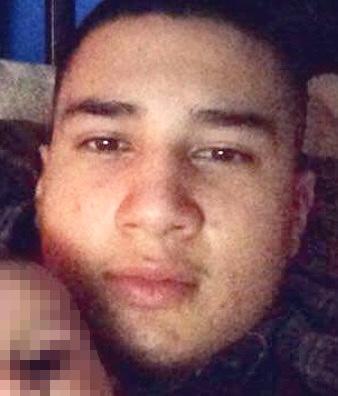
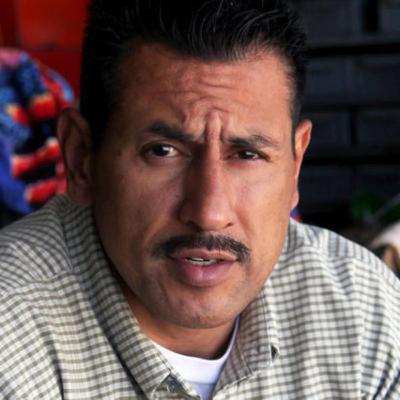
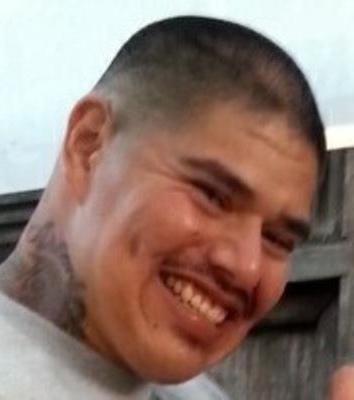
On the night of July 11, 2022, 25-year-old Javier “Jumby” Mora Jr., a Hispanic male from Salinas, California, was at home with his family on Homestead Avenue near West Alisal Street and Hartnell College. He was a senior at Cal State Monterey Bay, studying agricultural plant and soil sciences, moving steadily toward a future in the same agricultural world that had provided for his family.
Those close to him described a quiet, kind young man who loved his parents and sisters deeply, ran in the mornings, walked the family dogs, and carried himself with a gentle, steady presence that made his home feel safe.
In the months leading up to his death, tension was growing outside the family’s view. A man Javier knew had become fixated on him, convinced that Javier was involved with his estranged wife. That jealousy and obsession built in the background, fueled by dark thoughts and angry messages, while Javier went on with his life, focusing on school, family, and the small routines that marked his days. Whatever resentments were festering, they were not part of the quiet evening that unfolded in the Mora home that July night.
When the killer came to Homestead Avenue, there was no warning, no heated exchange that spiraled out of control. Javier did not meet his attacker in some mutual confrontation. He was ambushed. The man entered the property and targeted Javier without giving him a chance to defend himself or escape. In moments, the calm of the family’s yard was shattered by gunfire as the assailant unleashed a barrage of shots that struck Javier in the head and back. The violence was sudden and one-sided, a calculated act carried out against an unsuspecting young man in the place where he should have been safest.
In the chaos that followed, Javier’s parents rushed toward the sound of gunshots and stumbled into a scene no family should ever have to witness. They found their son grievously wounded and came face to face with the gunman. Desperation overruled fear; they struggled with him physically, fighting to disarm and restrain him even as they tried to reach their son. It was a frantic, brutal struggle, but their determination helped keep the attacker from fleeing before police arrived.
Responding officers reached the home around 11 p.m. and found Javier lying in the yard. Despite efforts to help, he was pronounced dead at the scene, his life cut short just steps from his own room. The suspect was taken into custody at the house. It later emerged that he had not only ambushed Javier but also broken into Jumby’s room, rifling through his personal space, and was additionally charged with robbery tied to that intrusion into the sanctuary of the young man’s bedroom.
As the case moved into the courts, the legal system began to trace the path of events that led to that night: the obsessive jealousy, the decision to come armed to the Mora home, the deliberate ambush, and the invasion of Javier’s room. Prosecutors framed the killing as an intentional act, born of resentment rather than any sudden dispute, and presented the charges to reflect the gravity of what had been done. The man who murdered Javier would ultimately face decades in prison, held accountable for the life he took and the terror he inflicted inside that family home.
In the aftermath, Homestead Avenue became a place of mourning. Friends, relatives, and neighbors gathered outside the Mora house for vigils, leaving flowers, candles, and photographs that told the story of who Javier had been: a devoted son and brother, a hardworking student, a young man on the cusp of a promising future. Cal State Monterey Bay honored him with a degree he never had the chance to receive in person, acknowledging the work he had already done and the agricultural career he had been preparing to build.
For his family, the memory of that night is divided into a before and an after. Before, there was a shy, loving young man who liked foxes and sunflowers, who helped his parents, who dreamed of doing something worthwhile with his life. After, there is an empty chair, a quiet room, and a hole in the center of their world. They remember that he was not killed in some mutual altercation, but ambushed in cold blood at his own home by someone who chose violence and cowardice. In their eyes, justice is measured not only in years behind bars for the man who murdered him, but in preserving the truth about how he died and who he was: Jumby, their king, whose life was stolen without warning.