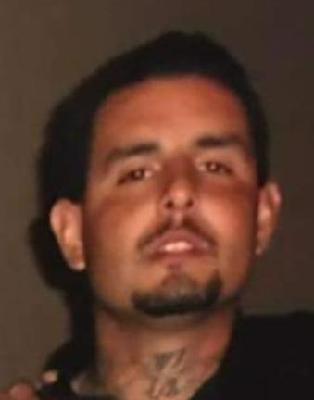
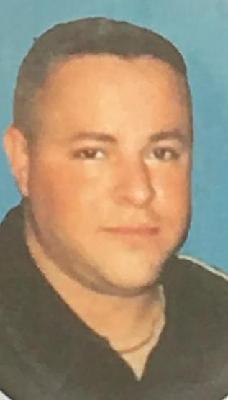
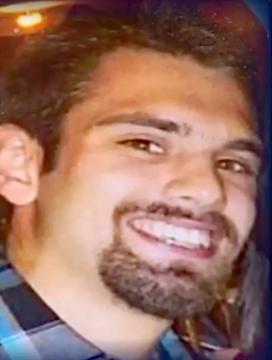
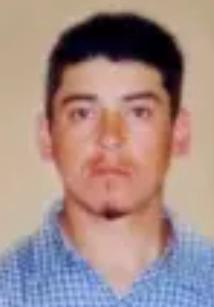
On January 6, 1990, Jose Luis Parra Hernandez, aged 23, was tragically killed in a violent incident in King City, California. The events unfolded at the Silva Ranch, where Hernandez was present at the mobile home of Concepcion Esparza, his cousin, and her family. The perpetrator, Ramon E. Rios, who was Esparza's husband, arrived at the scene intoxicated after consuming a significant amount of alcohol.
Rios was reportedly angry with his wife for drinking in the house, which he had forbidden.
An argument ensued, escalating quickly into violence. Rios, in a fit of rage, retrieved a gun and began shooting. The first shots fired went through a thin wall, tragically killing 12-year-old Luis Orlando Esparza, who was watching television in his bedroom. Following this, Rios turned his attention to his wife, Concepcion Esparza, who was attempting to hide behind the kitchen table. He shot her multiple times, resulting in her death. Hernandez, who tried to flee the scene, was also shot twice by Rios and succumbed to his injuries.
After committing the murders, Rios fled to San Luis Rio Colorado, Sonora, Mexico, where he lived under an assumed identity. It wasn't until a relative reported him to the authorities that he was apprehended and extradited back to the United States. During his trial, Rios claimed that the shootings were acts of self-defense, stating that he believed his life was in danger during a struggle with Hernandez and that his wife was plotting to kill him. However, his defense was not convincing to the jury.
Rios was found guilty of the murders of Jose Luis Parra Hernandez, Concepcion Esparza, and Luis Orlando Esparza. The jury's verdict required a sentence of life imprisonment without the possibility of parole, as the prosecution had agreed not to seek the death penalty in exchange for his extradition. Rios's conviction was later upheld by an appellate court, ensuring that he would spend the rest of his life in prison for his crimes.