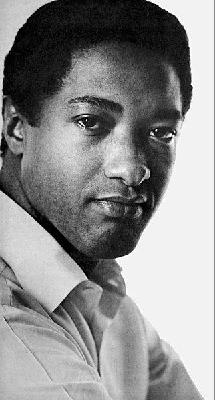
On July 22, 1957, Officer Milton G. Curtis, a 25-year-old member of the El Segundo Police Department, was tragically killed in the line of duty. Officer Curtis, along with his colleague Officer Richard A. Phillips, had stopped a vehicle for running a red light. Unbeknownst to them, the driver, Gerald F. Mason, had just committed a series of heinous crimes, including the kidnapping and rape of a teenage girl.
As the officers were writing a ticket, Mason shot both officers with a .22 caliber revolver, killing them instantly.
The case remained unsolved for 45 years until advancements in forensic technology and a review of the FBI's fingerprint database led to a breakthrough. In January 2003, Mason was arrested at his home in Columbia, South Carolina. The fingerprints from the stolen car matched those from a 1956 burglary conviction in South Carolina, linking Mason to the murders of Officers Curtis and Phillips. During his trial, Mason expressed remorse and confusion over his actions, stating that he did not understand why he committed the crimes. He was sentenced to two consecutive life terms in prison.
The investigation into the murders of Officers Curtis and Phillips was extensive and spanned several decades. Initially, the case went cold due to a lack of leads and evidence. However, a tip in 2002 prompted a review of the case, leading to the discovery of the fingerprint match. This breakthrough allowed authorities to finally bring Mason to justice, providing some closure to the families of the victims and the El Segundo Police Department.
Mason's arrest and subsequent conviction were significant milestones in the case. The legal proceedings included a plea deal in which charges of rape, robbery, and kidnapping were dropped in exchange for Mason's guilty plea to the murders. This deal was made to ensure a swift resolution and to spare the victims' families from the trauma of a lengthy trial. Mason was denied parole in 2009 and remained in prison until his death in January 2017.
The murders of Officers Curtis and Phillips had a profound impact on the El Segundo community and the law enforcement community at large. Their sacrifice is remembered and honored by their colleagues and the citizens they served. The case also highlighted the importance of advancements in forensic technology and the persistence of law enforcement in seeking justice for fallen officers.