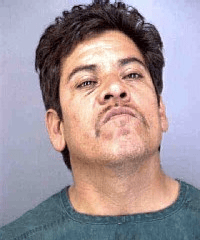
Neil Clark, a prominent Columbus lobbyist, died by suicide on March 15, 2021, in Naples, Florida. He was found near a pond close to his Bonita Springs home, wearing a "DeWine for Governor" T-shirt. The Collier County Medical Examiner's Office confirmed that Clark, 67, died from a self-inflicted gunshot wound to the head. A bicyclist discovered his body, and the autopsy revealed no drugs in his system.
Clark's death came as a shock to many in Ohio's political circles, where he was known as a "superlobbyist" for various organizations, including payday lenders and the Electronic Classroom of Tomorrow.
At the time of his death, Clark was embroiled in a significant legal battle. He was facing federal racketeering charges related to a $61 million bribery scheme aimed at passing a $1 billion bailout for two nuclear plants in northern Ohio. This scandal, known as the FirstEnergy bribery case, implicated several high-profile individuals, including Ohio House Speaker Larry Householder. Clark had pleaded not guilty to the charges, and his case was expected to be dismissed following his death. The investigation revealed that Clark had played a key role in funneling money from FirstEnergy companies to secure legislative support for the bailout.
Financial difficulties also plagued Clark in the months leading up to his death. He had accumulated over $2.2 million in federal tax liens dating back to 2007, and his wife reported that they were experiencing financial strain. Clark had sold a Naples condo for $750,000 shortly before his arrest, and he had recently paid off a significant tax lien. Despite these efforts, the financial pressures and the looming legal battle may have contributed to his decision to take his own life.
The circumstances surrounding Clark's death prompted an investigation by Florida authorities. The Collier County Sheriff's Office reported finding a handgun and Clark's vehicle near the scene. While the investigation confirmed that Clark's death was a suicide, it also highlighted the broader implications of the FirstEnergy bribery scandal. The case underscored the pervasive influence of money in politics and the lengths to which individuals and corporations would go to secure favorable legislation. Clark's death marked a tragic end to a career that had been both influential and controversial.