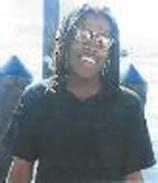
On March 25, 2020, the tragic death of Jaxxon Rodriguez-Barnes occurred in Fort Walton Beach, Florida. Jaxxon, a five-month-old infant, was fatally shot by his mother, Maria Rodriguez-Barnes, in the parking lot of The Boardwalk on Okaloosa Island. This location held significant emotional value as it was where Maria's husband, Richard Barnes, had proposed to her.
On the morning of the incident, Maria drove Jaxxon to the parking lot, called her husband, and told him, "I'm sorry for what I'm about to do." She then shot Jaxxon in the chest while he was strapped in the backseat of her truck and subsequently shot herself in the torso. Witnesses in the area called 911 after seeing Maria outside her vehicle, and law enforcement arrived to find Jaxxon deceased in the backseat.
The investigation revealed that Maria had planned the murder in response to her husband's intention to file for divorce. Evidence included a 9mm handgun, shell casings, and handwritten notes found in her vehicle. Maria had also communicated her plans to family members via text and email. The prosecution argued that Maria's actions were premeditated and driven by a desire to retaliate against her husband for ending their relationship. Assistant State Attorney Michelle Sandler emphasized that Maria chose the location due to its significance and that she took the "physical representation" of their relationship, their son, as an act of revenge.
Maria Rodriguez-Barnes was charged with first-degree premeditated murder. During the trial, her defense attorney, Jason McKinney, acknowledged that Maria caused her son's death but argued that the state had not proven beyond a reasonable doubt that she made a conscious decision to kill. Despite this defense, the jury found Maria guilty of premeditated murder. Circuit Judge John T. Brown presided over the trial, and the jury's unanimous verdict led to Maria being sentenced to life in prison without the possibility of parole. The case highlighted the devastating impact of domestic issues and the extreme actions taken by Maria in response to her personal circumstances.