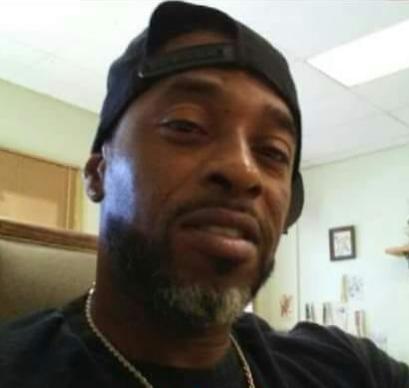
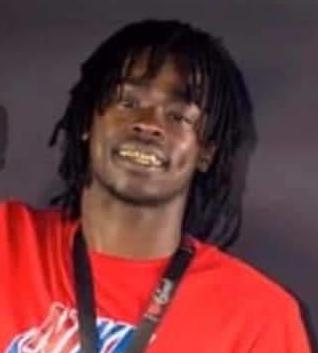
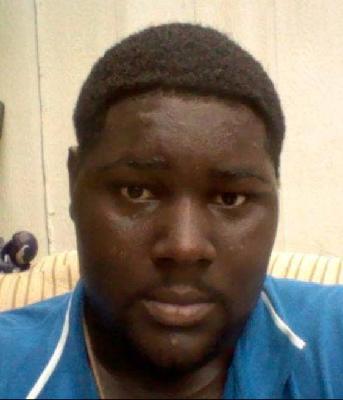
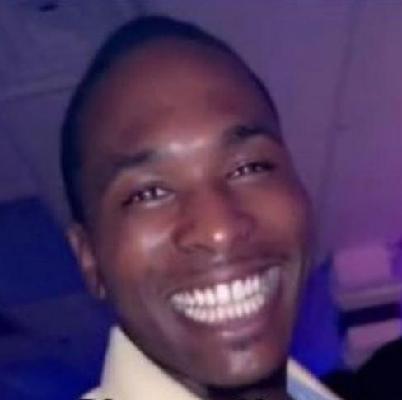
Ronnie Charles Damon, a 29-year-old former corrections officer with the Marion County Sheriff's Office, tragically lost his life on January 6, 2016, in Ocala, Florida. On that evening, Marion County Sheriff's deputies responded to a call at 301 Larch Road, where they found Damon deceased in the driveway of his home. He had suffered a single gunshot wound. The initial investigation revealed that Damon was likely working on his vehicle at or near the time of his death.
This incident marked the beginning of a lengthy and complex investigation.
Damon had served as a corrections officer from December 2007 until October 2014, achieving the rank of corporal before resigning to pursue other career ambitions. His death prompted an extensive investigation by the Marion County Sheriff's Office (MCSO). Over the years, detectives worked tirelessly to uncover the circumstances surrounding his murder. The breakthrough in the case came when Major Crimes Detective John Lightle discovered new leads, which led to significant developments in the investigation.
In October 2021, nearly five years after Damon's death, a grand jury indicted Marquee Dashawn Williams, a 23-year-old man from Cape Coral, for the murder of Ronnie Charles Damon. According to the investigation, Williams had attempted to rob Damon on the night of January 6, 2016. During the attempted robbery, Williams allegedly shot Damon, resulting in his death. Williams was already in custody in Collier County for unrelated charges at the time of his indictment and was set to be transferred to Marion County to face the charge of murder in the first degree with a firearm.
The indictment of Williams brought a sense of closure to the long-standing case. Sheriff Billy Woods emphasized the importance of bringing violent criminals to justice, stating that there is no statute of limitations for murder and that the MCSO would work as long as it takes to hold those responsible accountable. The case highlighted the dedication and persistence of law enforcement in solving cold cases and ensuring that justice is served for the victims and their families.