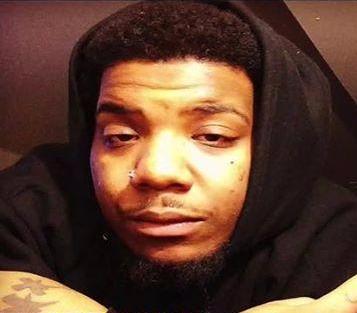
A life was cut short in Detroit, Michigan, on Saturday, November 19, 2016, when Willie Stoval, a 40-year-old Black man, was killed in the city. His death was recorded as a homicide in Wayne County, a stark statistic representing a personal and devastating loss for his family and friends. In the years since his passing, the silence surrounding the circumstances of his death has been profound, leaving a void of unanswered questions for those who knew and loved him.
Details about Willie’s personal life—his family, his work, his passions, and the daily joys that defined him—are not publicly known. Obituaries and memorial pages that often paint a picture of a person's life journey and the impact they had on their community have not been found. This absence of shared memories in the public sphere makes his loss even more poignant, reducing a life lived to a name, an age, and a case number in a file. He was a man in the prime of his life, with a future ahead of him that was violently stolen. His loved ones were left not only with the grief of his absence but also with the heavy burden of not knowing who was responsible or why his life had to end.
The specific events of November 19, 2016, remain shrouded in mystery. Information regarding the time of day, the exact location within Detroit, and the manner of Willie's death has not been released or reported publicly. It is known that he was fatally shot, but the events leading up to the violence, whether there were any witnesses, and where he ultimately passed away are details that have not been shared. This lack of a public narrative leaves only a cold, hard fact: a man was killed, and his case became one of many homicides investigated by the Detroit Police Department that year.
The investigation into Willie Stoval’s murder was handled by the Detroit Police Department. In a city that has long grappled with a high volume of violent crime, detectives are often faced with immense caseloads. Thousands of homicides in Detroit have gone unsolved over the decades, creating a painful backlog of cold cases. For a case to move forward, investigators rely heavily on evidence from the scene and, crucially, on tips from the public. Without forthcoming witnesses or new leads, an investigation can quickly stall, leaving a case to grow cold.
For the families of victims, this investigative process can be agonizing. They wait for phone calls that may never come, hoping for a breakthrough, an arrest, or any news that could lead to justice. The absence of suspects, arrests, or court proceedings in Willie’s case means that, for his family, there has been no legal closure, no accountability for the person or people who took him from them. The pain of their loss is compounded by the lack of resolution.
As of today, the homicide of Willie Stoval remains unsolved. His name is listed among the many victims of violence in Detroit whose cases are still open, waiting for the one piece of information that could break the silence. The passage of time has not brought answers, and the investigation is inactive pending new leads. The community is left to remember that a man's life ended violently, and justice has not yet been served. The case stands as a somber reminder of the devastating impact of unsolved violence on families and the broader community, leaving behind a legacy of questions and a quiet, enduring grief.