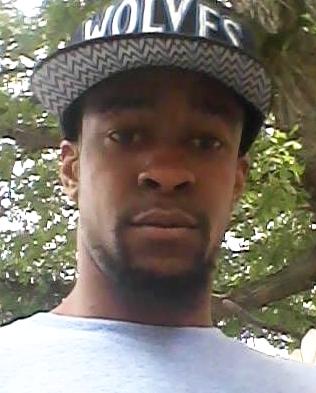
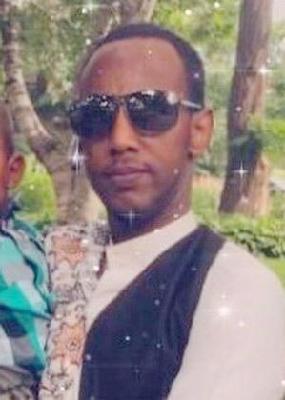
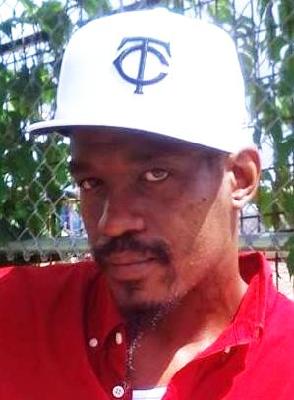
On Memorial Day, May 28, 2007, the life of Otis Larnell Watson, a 35-year-old Black man, was brought to a violent and sudden end in Minneapolis, Minnesota. He was a victim of homicide, killed by gunfire on a day typically marked by remembrance and the start of summer. Yet, in the years that have passed since his death, the specific details of what happened to him have been shrouded in an enduring silence, leaving a void of information for his family and community. His case remains a stark entry in public records, a name and a date connected to an act of violence with no publicly known story.
The investigation into the death of Otis Watson fell to the Minneapolis Police Department. In 2007, the city was grappling with significant violent crime, and its homicide unit was tasked with investigating dozens of killings that year. Detectives would have responded to the scene, collected evidence, and sought out witnesses who might have seen or heard something crucial. However, whatever information was gathered has not been shared with the public. No descriptions of a potential suspect or vehicle, no details about the location or time of the shooting, and no possible motive have ever been released through press conferences or news reports. This absence of a public narrative is not uncommon in cold cases, but it leaves the community with unanswered questions and a sense of unresolved justice.
For those left to mourn Otis Watson, the lack of information has been a heavy burden. Without an arrest or a public accounting of his final moments, there is no closure. The silence from law enforcement and the lack of media follow-up have left his memory suspended in uncertainty. Friends and family are left to wonder about the circumstances that led to his death: Was it a random act or a targeted attack? Was he in the wrong place at the wrong time, or did he know his killer? These are questions that haunt the loved ones of victims in unsolved cases, compounding their grief with the frustration of not knowing who was responsible or why.
Otis Larnell Watson is buried at Crystal Lake Cemetery in Minneapolis, a historic resting place in the city where he died. His grave marker is a quiet testament to a life cut short, a permanent record in a case that otherwise seems to have faded from public view. The cemetery, with its serene landscape, stands in stark contrast to the violence that ended his life and the disquiet that his unsolved murder represents. It is a place for remembrance, but for his family, it is also a reminder of the justice that has not yet been served.
More than a decade later, the investigation into the homicide of Otis Watson remains open but inactive, listed among the city’s cold cases. These are some of the most difficult cases for any police department, as leads grow stale, memories fade, and witnesses may become harder to find. Yet, investigators often hold out hope that a new piece of information—a guilty conscience, a new technology, or a witness finally deciding to come forward—could provide the breakthrough needed to solve the case. The passage of time does not diminish the need for answers or the desire for accountability.
The case of Otis Larnell Watson is a somber reminder of the many lives lost to gun violence in American cities and the lasting impact of these unresolved tragedies. His story, though sparse in detail, represents a profound loss and a continuing search for justice. For now, his name remains on a list of Minneapolis’s unsolved homicides, waiting for the day when someone with information steps forward to break the silence and finally provide the answers his loved ones have been waiting for since that Memorial Day in 2007. The Minneapolis Police Department continues to invite anyone with knowledge of this case to come forward.