Crime Solvers Central
302 Cases Solved. Advancing justice for missing persons, unsolved homicides, unidentified and unclaimed remains.

Case Description

Any updates on this case? Let us know!
Summary based on 12 sources
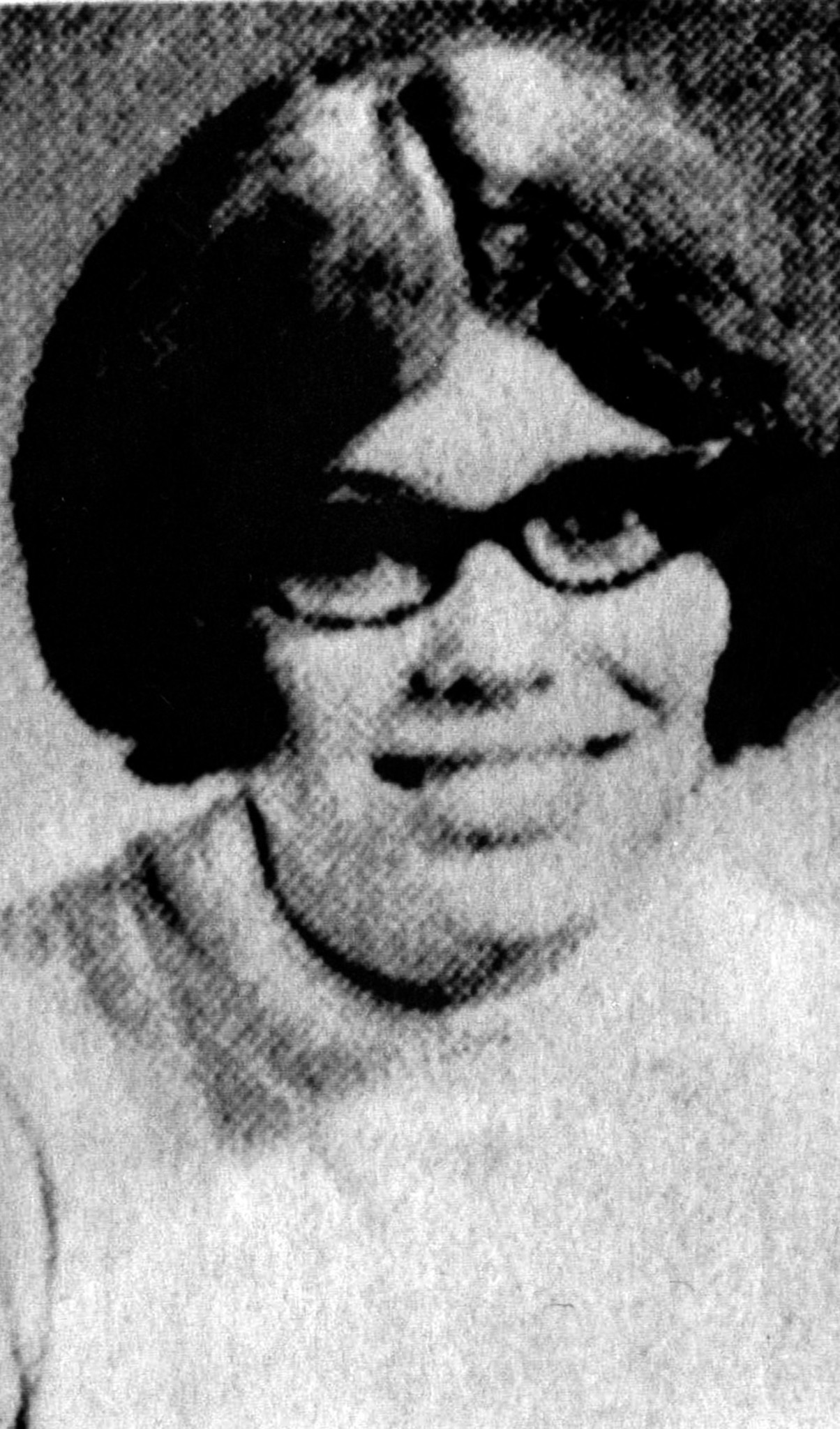
Mary Magdalene "Lynn" Reiner was a devoted wife and a doting mother of four, known for her warm, kind-hearted nature and pride in her Irish heritage. Born on April 15, 1955, in Villa Park, Illinois, she grew up in a large, loving family with seven siblings. She married Edwin "Ed" Reiner, and they built a life together in Winfield, a suburb of Chicago. Their world revolved around their children — two daughters and two sons. Mary was an excellent cook, famous within her family for her corned beef and egg noodles. She also enjoyed playing softball, bowling, and could play the drums. In the last week of September 1982, the Reiner household was filled with joy after the 27-year-old had given birth to their fourth child, a baby boy, just a week earlier.

On the afternoon of September 29, 1982, Mary was at home with her children. Feeling some post-birth discomfort, she took two capsules from a bottle of Extra-Strength Tylenol that had been purchased at Frank’s Finer Foods in Winfield. Shortly after taking the medication, she suddenly collapsed on the floor in front of her 8-year-old daughter, Michelle. Her husband, Ed, arrived home to find his wife in a critical state. Paramedics were called, and Mary was rushed to Central DuPage Hospital in Winfield. Doctors placed her on life support, but her condition did not improve. She was pronounced dead at 9:30 a.m. the following morning, September 30.

Mary Reiner was one of seven people in the Chicago metropolitan area to die in a series of poisonings that created a nationwide panic. Investigators quickly discovered that the Tylenol capsules she and the other victims had ingested were laced with a fatal dose of potassium cyanide. The crime led to an immediate recall of Tylenol products and revolutionized the pharmaceutical industry, leading to the development of tamper-resistant packaging and federal anti-tampering laws. The massive investigation involved multiple local police departments, including the Winfield Police Department, as well as the FBI.

During the extensive investigation, detectives looked into several individuals. One person of interest was Roger Arnold, a dock worker at a Jewel-Osco warehouse in Melrose Park. Investigators learned that Arnold had worked with Mary Reiner's father. Additionally, Arnold's wife had received treatment at a psychiatric hospital located across the street from the Frank's Finer Foods where Mary had purchased the poisoned medicine. A bartender told police that Arnold had talked about killing people with a white powder and possessed cyanide. A search of Arnold's home uncovered books on poisons and explosives, but no cyanide. He was questioned multiple times but was never charged in connection with the Tylenol murders.

Tragically, the investigation had a violent and deadly consequence. In the summer of 1983, Roger Arnold, believing he was targeting the bartender who had reported him to police, shot and killed a man named John Stanisha, a computer consultant and father of three who was a random passerby. Arnold was convicted of Stanisha's murder in January 1984 and sentenced to 30 years in prison. He served 15 years of his sentence and died in 2008. Another man, James Lewis, was convicted of extortion for sending a letter to Tylenol's parent company demanding $1 million to stop the killings, but he was never charged with the murders themselves. Lewis died in July 2023.

The loss of Mary Reiner left her husband and four young children devastated. Her husband, Ed, described her as an excellent mother and found it difficult to speak about the tragedy for years afterward. Her daughter Michelle Rosen later co-authored a book that was critical of the official investigation, suggesting other avenues should have been more thoroughly explored. The family, like those of the other six victims, has lived for decades without knowing who was responsible for the crime.

More than four decades later, the Chicago Tylenol murders officially remain an unsolved case. No one has ever been charged with the seven deaths that terrorized the nation. The investigation is still considered open and active, with law enforcement agencies occasionally reviewing the evidence in the hopes of finally bringing charges. The deaths of Mary Reiner and the other victims stand as a somber reminder of a crime that changed consumer product safety forever but has yet to see justice served.