Crime Solvers Central
302 Cases Solved. Advancing justice for missing persons, unsolved homicides, unidentified and unclaimed remains.

Case Description

Any updates on this case? Let us know!
Summary based on 1 source
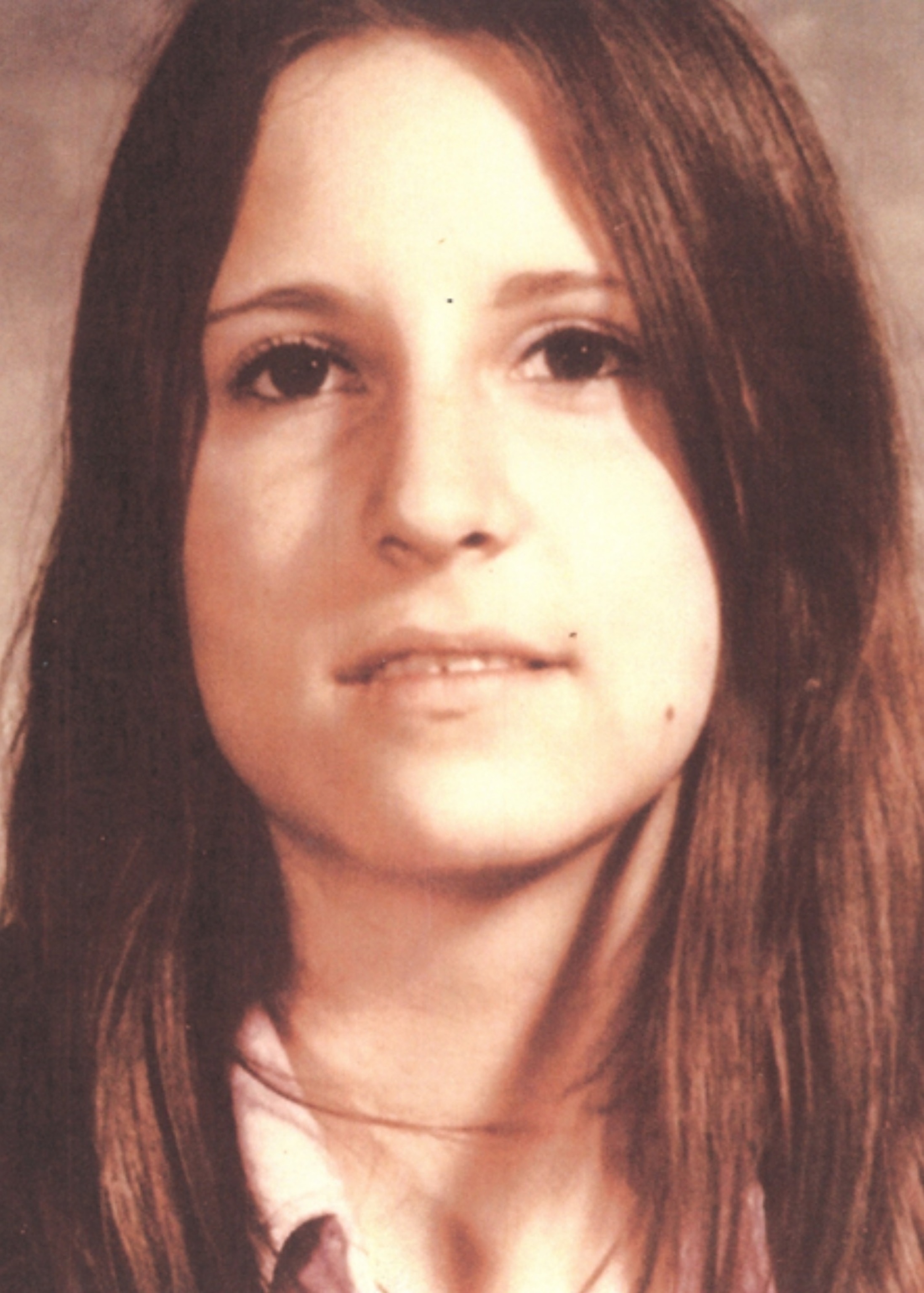
For more than three decades, the murder of Roxenne Roggasch remained a painful, unsolved mystery for her loved ones. The 18-year-old White woman was remembered by her brother, Larry Roggasch, as a tough, five-foot-tall woman who "didn't take any crap from anybody." He described her as his best friend, someone who would help anyone. Growing up on the east side of San Jose, they were close. In early 1977, however, Roxenne's life was in a difficult place. According to her brother, she had a baby son who was taken by her mother and stepfather, who then put her out on the street. She was working as a prostitute in Oakland and had told her parents that she feared someone was trying to kill her.

On January 11, 1977, her body was discovered dumped on the side of Sir Francis Drake Boulevard near Fairfax, in Marin County. She was found nearly naked and had been brutally strangled. The killer had used multiple pairs of pantyhose in the assault: one was stuffed in her mouth, another was wrapped around her mouth, and a third was tied around her neck. Investigators with the Marin County Sheriff's Office determined she had been deceased for less than a day. While her family denied it, police pursued the theory that her death was connected to her work as a prostitute. With few leads, however, the initial investigation grew cold, leaving a void of answers that would last for 34 years.

The case broke in April 2010, not in Marin County, but in Reno, Nevada. Probation officers conducting a routine search at the home of Joseph Naso, a 77-year-old freelance photographer with a history of petty crimes, discovered a trove of disturbing evidence. They found thousands of photographs of women, many of whom appeared unconscious or dead, posed in unnatural positions with mannequin parts. Investigators also found Naso's handwritten "rape journal," which detailed sexual assaults, and a "List of 10" that described ten women and their locations. Four of the entries on the list appeared to correspond with unsolved California homicides.

This discovery launched a multi-agency investigation that finally connected the dots in the murder of Roxenne Roggasch and three other women. On April 11, 2011, Naso was arrested and charged with the murders of Roxenne Roggasch, Carmen Colon, Pamela Parsons, and Tracy Tafoya. All four women, whom police identified as prostitutes, had alliterative initials, leading to speculation that Naso could be the "Double Initial Killer." The evidence against him was substantial. DNA found on the pantyhose used to strangle Roxenne belonged to Naso's ex-wife, and his own DNA was found on the pantyhose Roxenne was wearing.

Representing himself in court, Naso began his trial in Marin County Superior Court in 2013. Prosecutors Dori Ahana and Rosemary Sloat presented a mountain of evidence, including the chilling photographs and diary, arguing that Naso preyed on vulnerable women, drugging, strangling, and photographing them before dumping their bodies in rural areas. Naso claimed the photos were simply his "art" and that the women were willing participants. Roxenne's brother, Larry, traveled from Texas to attend the trial, making sure to leave the courtroom whenever graphic photos of his sister were displayed.

On August 20, 2013, after a two-month trial, a jury of six men and six women found Joseph Naso guilty of all four murders. On November 22, 2013, Judge Andrew Sweet sentenced Naso to death for the murders of Colon, Parsons, and Tafoya. For the murder of Roxenne Roggasch, he was sentenced to life in prison without the possibility of parole, as the death penalty was not in effect in California at the time of her death in 1977. The judge described the murders as "vicious, brutal and committed with a high degree of cruelty." As of November 2013, Naso was sent to California's death row at San Quentin prison, finally bringing a measure of justice to the family of Roxenne Roggasch after more than three decades of waiting.