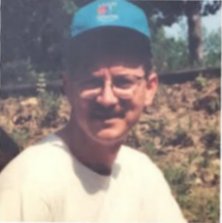
Michael Lattimore, 20, of East St. Louis, Illinois, was killed in St. Louis in August 2010. He was last seen in mid-August, and the Washington Post's homicide database records the date of his death as Wednesday, August 18, 2010. The St. Louis Metropolitan Police Department investigated.
On August 25, 2010, a grass cutter found a decomposed body in a vacant lot in St. Louis. Police found an Illinois driver's license and a cell phone belonging to Lattimore. The victim had gunshot or stab wounds to the head, neck and chest, and the body was so badly decomposed that it could not be identified without DNA tests.
Confirming his identity took months. Swabs were taken from his mother on October 27, 2010, and sent to a laboratory in Texas for mitochondrial DNA testing. Mary Beth Karr, assistant director of the St. Louis crime lab, said the lab handled more than 6,000 pieces of evidence a year. "I understand this woman's pain," she said. "We cannot bump up one person's case."
Medical Examiner Dr. Michael Graham said, "I don't see any reason it's not (Lattimore), but we've got to prove it." In March 2011 the Post-Dispatch reported that a DNA test had identified the body. In December 2010, police said they had no promising leads, and no suspect description or reward was ever made public.
His mother, Rose Best, 46, of St. Louis, said she had no idea who might have killed her son. "They keep saying they can't release the body," she said that December. "Why is it taking so long? I don't understand." Lattimore grew up in East St. Louis and had dropped out of high school. He had been released from prison in February 2009 after serving a little more than two years for aggravated battery, but his mother said he "was ready to be something" and had recently decided to join the Army.
The location recorded in the Post's database places his death in north St. Louis, a few miles north of downtown, where vacant lots are common. A body can lie unnoticed in an overgrown lot for days, but someone may have seen Lattimore in the area in mid-August, or seen people or a vehicle near the lot.
Because he lived across the river in Illinois, his case touched two cities. Friends in East St. Louis may know why he crossed into St. Louis, who he was with, and when he was last heard from.
The killing came during a stretch when St. Louis consistently ranked among the most violent big cities in the country. The city recorded 143 homicides in 2009 and 144 in 2010, a very high toll for a city of about 320,000 residents, and a large share of those cases never led to an arrest. Homicide detectives carried heavy caseloads, and killings that drew little press attention were easily forgotten by the wider public.
No arrest, criminal charge or court case connected to the death of Michael Lattimore could be found in news archives or public records. More than 16 years later, there is no public sign that anyone has been held responsible. Anyone who saw Michael Lattimore in mid-August 2010, in East St. Louis or in St. Louis, or who knows who he was with before he disappeared, may be able to help. Even a small detail, such as a name overheard, a car seen leaving the area or a conversation remembered, can help detectives move a case forward. Anyone with information can call the St. Louis Metropolitan Police Department Homicide Division at 314-444-5371, or leave an anonymous tip with CrimeStoppers at 866-371-TIPS (866-371-8477).