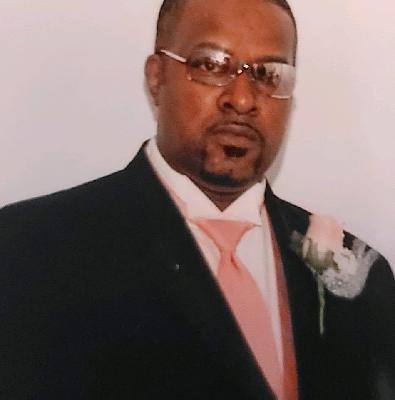
In the spring of 1999, a series of brutal acts shattered the quiet of a Kansas City, Missouri, neighborhood, leaving five men dead and a community in shock. One of these men was Kenneth Gulley Jr., a 45-year-old male who lost his life on April 1, 1999. His death was not an isolated incident but the final act in a four-day killing spree carried out by his own step-uncle, Richard Gary Beach. The tragedy that unfolded in Beach’s Westport home was a grim tale of misplaced anger, mental health struggles, and the devastating impact of drug use.
Richard Gary Beach, a 56-year-old limousine driver, had become increasingly distressed by the presence of drugs in his home, particularly their use by his 32-year-old stepson, Michael Davis, who lived with him. Beach’s anxieties were compounded by his failing eyesight, which he feared would destroy the airport shuttle business he and Davis ran.
This personal and professional crisis culminated in a wave of violence that began on March 29, 1999. On that day, Beach shot and killed 28-year-old Mark Nelson and 27-year-old Christopher Conrad, believing they were a bad influence on his stepson. He then killed Davis himself, later claiming he wanted to spare him the "shame" of their potential financial ruin.
The following day, March 30, the violence continued. Jerry Nickerson, a 61-year-old friend, let himself into the house and discovered Nelson's body. Beach responded by shooting and killing Nickerson as well. For two more days, the house on Jefferson Street held its grim secret. On April 1, Kenneth Gulley Jr. arrived at the residence. According to Beach's later confession, Gulley's arrival triggered the final murder. Beach claimed that Gulley pulled out a crack pipe and made a personal comment about Beach's daughter that sent him into a rage. He then shot his step-nephew, ending his deadly spree.
After the murders, Beach’s actions were methodical and chilling. He covered each of the five bodies with a quilt and placed an index card on top, noting the victim's name and the phone numbers of their relatives. He then fled to a nearby hotel. The gruesome discovery was made on April 5, after neighbors reported hearing gunshots the previous week and noticed the air conditioner running constantly, an apparent attempt by Beach to slow the decomposition of the bodies inside.
The manhunt for Richard Gary Beach was short-lived. On April 6, he called his daughter, confessed to what he had done, and told her where he was. He then called 911 and surrendered peacefully to the Kansas City Police Department, admitting he had killed all five men. He was initially charged with the murder of Kenneth Gulley Jr. and later charged with the other four killings after admitting to shooting each man in the head.
Prosecutors initially sought the death penalty for the horrific crimes that marked the city's worst killing spree of the 1990s. However, Beach's defense presented evidence of a troubled past, including a harsh childhood marked by abuse, poverty, and widespread family mental illness. They also argued that he suffered from depression and obsessive-compulsive disorder at the time of the killings. On February 26, 2002, Richard Gary Beach pleaded guilty to five counts of first-degree murder and five counts of armed criminal action.
On April 18, 2002, a Jackson County Circuit Court judge, after hearing extensive testimony, sentenced Beach to five consecutive life terms in prison without the possibility of parole. The decision spared him from execution but ensured he would never be free again. For the families of Kenneth Gulley Jr. and the four other victims, the sentence brought a close to the legal proceedings, but it could never erase the pain and loss caused by a few days of unimaginable violence in a quiet Kansas City home.