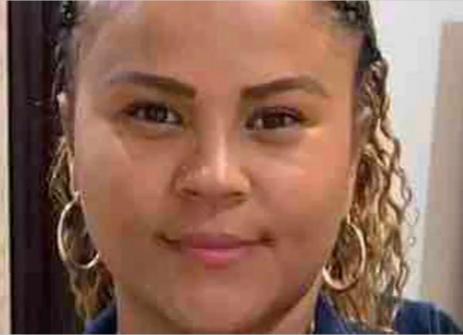
In the autumn of 1986, Lashun Chappell Thomas, a compassionate 22-year-old woman, was building a life centered on caring for others in Dallas, Texas. As a nursing home aide, she dedicated her days to the well-being of the elderly, a role that spoke to her gentle and giving nature. Her life, full of promise and purpose, was a source of comfort to those she cared for and a joy to those who knew her. But this peaceful existence was cruelly shattered, leaving a community in fear and a family to grieve a loss that could never be reconciled.
On September 15, 1986, a cleaning lady at the Woodstock Apartments in northeast Dallas made a horrifying discovery. Inside one of the units, she found the body of Lashun Chappell Thomas. Lashun had been fatally stabbed, and her life taken in the place she should have been safest: her own home.
The discovery in her bathroom marked a chilling escalation in a series of terrifying events that were just beginning to unfold in the North Dallas community.
Lashun was the second victim of a man who would come to be known as "The Bathroom Slayer." Less than two months earlier, on July 22, another resident of the same apartment complex, 37-year-old Tippawan Nakusan, had been found stabbed and suffocated in her bathtub. With Lashun's murder, a dreadful pattern began to emerge, but police were still searching for the man who moved silently among his neighbors, preying on women in their homes. For months, the cases remained unsolved, and a sense of unease settled over the city.
The break in the case came seven months later, after the killer struck a third and final time. On April 13, 1987, 21-year-old Mary Milligan was found raped, strangled, and drowned in the bathtub of her apartment in a different complex where the same man now lived. This time, the killer made a mistake. He stole some of Milligan's personal items and, in a brazen move, attempted to pawn them the very next day. This act of carelessness led police directly to Charles Anthony Boyd, a 27-year-old janitor with a prior criminal record for sexual assault and burglary, for which he had been granted early release from prison.
Once in custody, Boyd’s connection to the string of murders became terrifyingly clear. Confronted by investigators, he confessed not only to the murder of Mary Milligan but also to the killings of Tippawan Nakusan and Lashun Chappell Thomas. The man who had lived alongside his victims, sharing the same hallways and parking lots, was the monster they had been searching for. Boyd was charged with three counts of capital murder.
Prosecutors decided to move forward with the case of Mary Milligan, as it contained the strongest forensic evidence. In November 1987, a Dallas jury took only ten minutes to convict Charles Anthony Boyd of capital murder. He was subsequently sentenced to death. Following this conviction, the cases for the murders of Lashun Chappell Thomas and Tippawan Nakusan were dropped. For more than a decade, Boyd remained on death row, his appeals winding through the legal system.
On August 5, 1999, Charles Anthony Boyd was executed by lethal injection. While the legal chapter on the "Bathroom Slayer" was closed, the pain for the families of his victims remained. Lashun Chappell Thomas, a young woman who had devoted her life to providing care and compassion, was remembered not for the evil that ended her life, but for the kindness that had defined it. Her tragic death serves as a stark reminder of a life of service cut short by a senseless act of violence.