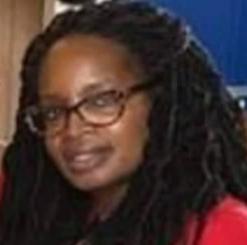
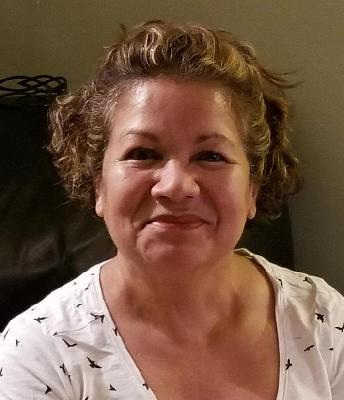
Jacolia James, an 83-year-old African American woman, was brutally murdered on April 30, 2019, inside her apartment at the Carter G. Woodson Houses in the Brownsville neighborhood of Brooklyn, New York. Her death was part of a horrifying series of killings that targeted elderly residents of the same public housing development. What initially appeared to be an isolated act of violence would eventually become a significant part of a serial murder investigation involving three women who had trusted the same man to enter their homes.
Jacolia was remembered as a deeply religious, compassionate, and generous person who devoted much of her life to caring for her family and those around her. She had moved to Brooklyn when she was just 13 years old and eventually raised six children. Her home was frequently filled with neighborhood children, whom she welcomed and treated as members of her own family.
Those who knew her described someone who offered encouragement, looked after her neighbors, and lived according to her Christian faith. Her kindness made her a beloved presence in the community, where many affectionately knew her as Jackie.
On the evening of April 30, 2019, Jacolia was inside her apartment on Powell Street, near Dumont Avenue. Her grandson had seen her at approximately 7:00 p.m., and nothing at that time suggested the tragedy that would unfold over the following hours. When he returned approximately four hours later, he discovered her lying face down on the floor. She was unresponsive and had suffered visible injuries to her face, neck, head, and torso. Police were called to the apartment, where she was pronounced dead. The discovery devastated her family and immediately raised concerns among other residents of the building.
Investigators determined that Jacolia had been the victim of a violent homicide. Her official cause of death was strangulation, and evidence indicated she had also suffered severe physical trauma. Authorities later established that her attacker had stomped on her neck and chest. The assault occurred inside the very place where she should have felt safest, turning her home into the scene of a devastating crime.
As detectives examined the circumstances surrounding her death, they began considering whether the killing might be connected to another disturbing incident at the same housing development. On November 8, 2015, Myrtle McKinney, an elderly resident of the Woodson Houses, had been fatally stabbed in her apartment. Her body was discovered the following day by a home health aide. Initially, her death was thought to have resulted from natural causes, but a subsequent examination revealed a fatal knife wound to her neck. Despite the discovery, the investigation remained unresolved for years.
The similarities between the two deaths raised troubling questions. Both victims lived in the same senior housing complex, both had been attacked inside their apartments, and neither appeared to have been targeted by a stranger who had simply forced entry. Investigators began looking more closely at individuals who had access to the building and relationships with its elderly residents.
Forensic evidence recovered during the investigation into Jacolia's murder eventually directed detectives toward Kevin Gavin, a man who performed handyman work and errands for residents of the building. Gavin had developed relationships with elderly neighbors by helping them with repairs and other tasks. Authorities believed those relationships allowed him to gain their trust and enter their apartments without immediately raising suspicion.
DNA evidence recovered from Jacolia's body was matched to Gavin, making him an important suspect in her killing. Investigators also began examining his possible connection to Myrtle McKinney's murder. However, despite growing suspicions, police initially lacked sufficient evidence to arrest him for the two deaths. The investigation remained active while Jacolia's family continued waiting for answers.
The situation became even more alarming in January 2021, when another resident of the Carter G. Woodson Houses was murdered. Juanita Caballero was found dead inside her apartment on January 15, with a telephone cord wrapped around her neck. Investigators determined that she had been strangled during a robbery. Evidence showed that her debit and benefit cards had been taken, and surveillance recordings from several locations captured Gavin using cards belonging to her.
The third killing provided investigators with the additional evidence needed to connect Gavin to the previous murders. On January 21, 2021, detectives from the New York City Police Department's Brooklyn North Homicide unit and the 73rd Precinct arrested him. Authorities subsequently announced that they believed Gavin was responsible for all three deaths.
Following his arrest, Gavin confessed to killing Myrtle McKinney, Jacolia James, and Juanita Caballero. According to prosecutors, he claimed that the confrontations began as disagreements over money he believed the women owed him for work or services. Rather than resolving those alleged disputes peacefully, he resorted to deadly violence against people who had trusted him.
During questioning, Gavin admitted that he had choked Jacolia and repeatedly stomped on her neck. His confession helped explain the extensive injuries investigators had documented following the discovery of her body. The admission also supported forensic findings that had previously connected him to the crime.
On March 2, 2021, the Brooklyn District Attorney's Office announced that Gavin had been indicted in connection with the three murders. The prosecution outlined a pattern of violence spanning several years, during which he allegedly exploited relationships with elderly residents to gain access to their apartments before attacking them. The charges included multiple counts of murder, reflecting the separate killings and the circumstances surrounding them.
The arrest brought some measure of relief to the families, but it also intensified anger over security conditions at the public housing development. Residents and relatives questioned how three women could be murdered in the same building over several years without sufficient preventative measures being implemented. They raised concerns about surveillance cameras, building access, and the vulnerability of elderly tenants.
Jacolia's grandson, Lamarr Crafton, publicly called for improved security cameras, expressing frustration that residents had been left without adequate protection. Other relatives and community advocates similarly demanded accountability from the New York City Housing Authority. Jacolia's daughter also filed a lawsuit against the housing authority, according to reporting published after Gavin's arrest.
The families believed that stronger security measures and a more urgent response to the earlier killings might have prevented additional tragedies. Community leaders echoed those concerns and demanded a closer examination of how the murders had been investigated. The case exposed broader fears about the safety of elderly residents living in public housing, particularly those who depended on neighbors or informal workers for assistance with everyday tasks.
The prosecution continued for several years. By May 2025, the families were still attending court proceedings and awaiting a final resolution. Pretrial hearings continued as prosecutors prepared their case against Gavin, while relatives of the victims faced the emotional burden of repeatedly revisiting the circumstances surrounding their loved ones' deaths.
A major development finally came on April 24, 2026, when Gavin pleaded guilty to one count of first-degree murder and three counts of second-degree murder in connection with the three killings. His guilty plea eliminated the need for a full criminal trial and formally established his responsibility for the murders.
On May 20, 2026, Brooklyn Supreme Court Justice Dineen Ann Riviezzo sentenced Kevin Gavin, then 71, to 30 years to life in prison. Brooklyn District Attorney Eric Gonzalez described the killings as exceptionally cruel acts committed against vulnerable neighbors who should have been safe inside their own homes. Prosecutors emphasized that Gavin had deliberately exploited the trust of the women who allowed him into their apartments.
The sentence concluded a criminal case that had stretched from the first killing in 2015 through the final prosecution more than a decade later. Although the outcome brought legal accountability, it could not restore the lives lost or erase the pain experienced by their families. For Jacolia's loved ones, the years between her murder and Gavin's conviction represented a prolonged struggle for justice.
Jacolia's legacy also received recognition beyond the courtroom. New York City officials pursued a commemorative street naming in her honor, identifying Jacolia James Way as a tribute to her life and contributions to the Brownsville community. The recognition reflected the impact she had made as a mother, neighbor, and source of comfort to those around her.
Her death remains a painful example of how an individual's generosity and willingness to trust others can be exploited by someone intent on causing harm. Jacolia had spent decades building relationships, raising her family, practicing her faith, and offering kindness to the people around her. Those qualities made the circumstances of her murder particularly heartbreaking.
Although Kevin Gavin was ultimately arrested, convicted through his guilty plea, and sentenced to prison, Jacolia's family was left with an irreplaceable loss. Her story is remembered not only because of the brutality of the crime but also because of the life that preceded it. She was a mother, grandmother, friend, and cherished neighbor whose warmth extended far beyond her apartment walls. The successful prosecution brought an end to the criminal proceedings, while her memory continues to represent both the importance of protecting vulnerable residents and the lasting impact of a life devoted to family, faith, and community.