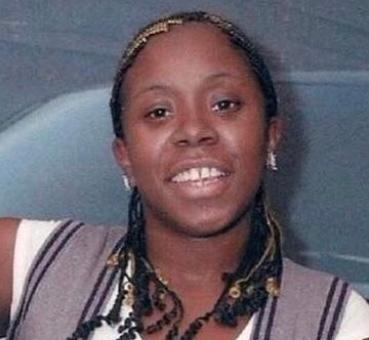
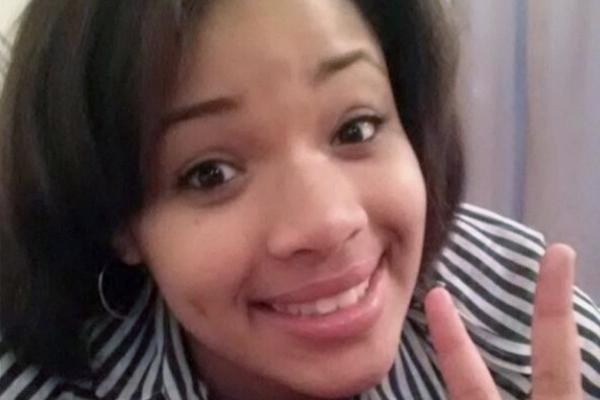
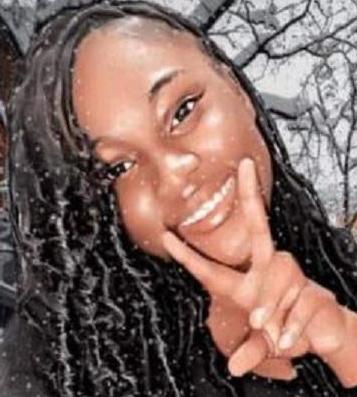
On a summer day in Chicago, the life of 29-year-old LaTonya Keeler, a Black female, came to a brutal and anonymous end. On Saturday, August 16, 2003, her body was discovered in a garbage can in an alley, a detail that speaks to the coldness of her killer. Her death was not an isolated incident but part of a horrifying pattern of violence that had been quietly terrorizing the city’s most vulnerable women for years. The cause of death was determined to be strangulation or asphyxiation, the grim signature of a predator who would become known as the Chicago Strangler.
LaTonya’s murder was chillingly close in time and location to another. Just two days earlier and less than two miles away, the body of another woman, Rosenda Barocio, had been found strangled in an alley near the North Lawndale area.
This proximity suggested a terrifying escalation in the killer's activities during the summer of 2003, a period when several women were found discarded in similar circumstances across the South and West Sides of Chicago.
The investigation into LaTonya Keeler’s death soon merged with a much larger and more complex inquiry. Her case is one of at least 51 unsolved homicides of women in Chicago between 2001 and 2018 that have been identified as a potential cluster of serial killings. The Murder Accountability Project, a nonprofit organization that analyzes homicide data, used an algorithm to detect this pattern, flagging the alarming number of women, predominantly Black, who were being strangled or suffocated and left in desolate locations like vacant lots, abandoned buildings, and garbage containers.
This series of murders has been attributed to a suspect, or possibly multiple suspects, dubbed the Chicago Strangler. The victims were often women living on the margins of society, whose disappearances and deaths initially failed to attract widespread attention. The method was consistently brutal: nearly all the women were strangled, and many were stripped of their clothing before being dumped. The sheer number of similar cases pointed to a systemic failure to protect these women and to bring their killer or killers to justice.
Despite the compelling data and the efforts of activists and victims' families to raise the alarm, the official response has been a source of frustration. For years, the Chicago Police Department was hesitant to publicly connect the murders or acknowledge the work of a serial killer. Following pressure, the department agreed to review the cluster of 51 cases, but has maintained that there is no definitive evidence linking them all to a single offender. This has left the families of victims like LaTonya Keeler in a painful limbo, without answers or a sense of justice.
Today, LaTonya Keeler’s murder remains unsolved, her name etched onto a long list of women whose lives were stolen. While one man was convicted in 2025 for the murder of Diamond Turner, one of the 51 victims, his DNA has not been linked to other cases, and the vast majority of these homicides remain open. The story of LaTonya’s death is not just a cold case file; it is a reminder of the many women who have been forgotten and the urgent need for answers that their families and community continue to demand.