Crime Solvers Central
307 Cases Solved. Advancing justice for missing persons, unsolved homicides, unidentified and unclaimed remains.

Case Description

Any updates on this case? Let us know!
Summary based on 5 sources
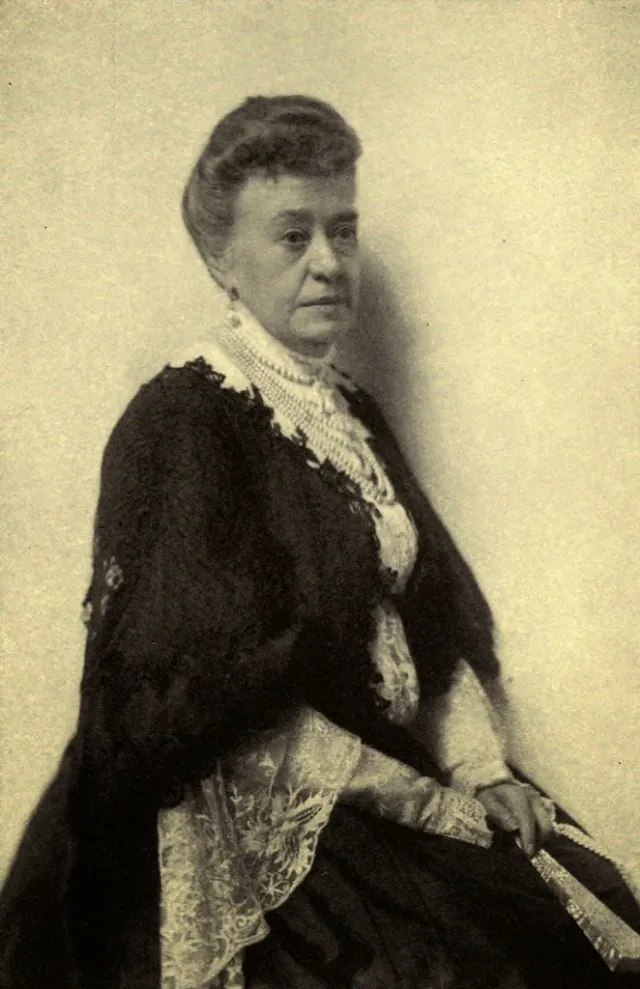
Jane Elizabeth Lathrop Stanford was a woman of immense wealth, influence, and determination, known to the world as the co-founder of Stanford University. Born in Albany, New York, she married Leland Stanford, a railroad magnate who would become a U.S. Senator and governor of California. Together, they channeled their grief over the death of their only child, 15-year-old Leland Jr., into creating a world-class university in his memory. After her husband's death in 1893, Jane, a 76-year-old female, took sole control of the university's finances and direction. She guided the fledgling institution through perilous financial times with what historians have called "the commanding meddlesome love which an unbridled maternal instinct thrusts upon an only child." She was deeply involved in every aspect of its operation, from funding and faculty to its early focus on the arts.

The beginning of the end for Jane Stanford came on the evening of January 14, 1905, inside her stately Nob Hill mansion in San Francisco. After taking a sip from a bottle of Poland Spring mineral water that had been placed in her room, she detected a bitter taste. Immediately sensing something was wrong, she induced vomiting and summoned her staff. A subsequent analysis of the water revealed it had been laced with a lethal dose of strychnine. Shaken by the attempt on her life and suffering from a cold, she decided to sail to Hawaii to rest and recover. The trip was meant to be a respite, a chance to escape the pressures of managing the university and the lingering fear from the poisoning.

On February 15, 1905, Jane and her entourage, including her longtime personal secretary Bertha Berner, arrived in the Territory of Hawaii. They settled into the luxurious Moana Hotel in Honolulu. For nearly two weeks, the trip seemed to have its intended effect. But on the night of February 28, the terror from San Francisco found her again. After feeling unwell, she requested bicarbonate of soda to aid her digestion, which Berner prepared and administered. Shortly after 11 p.m., her servants were jolted awake by her cries. "Run for the doctor! I have no control of my body! I think I have been poisoned again!" she exclaimed. A local physician, Dr. Francis Humphris, rushed to her room but found her in the throes of a violent tetanic spasm. "My jaws are stiff," she told him in anguish. "This is a horrible death to die." Her body went rigid, her jaws clamped shut, and her breathing ceased. Despite the efforts of several doctors, Jane Stanford was dead.

An autopsy was performed, and a coroner's jury was convened in Honolulu. After hearing three days of testimony, the jury took only two minutes to deliver its verdict: Jane Lathrop Stanford died from strychnine poisoning, the poison having been introduced into the bicarbonate of soda "with felonious intent by some person or persons to this jury unknown." The ruling was unequivocal: it was murder. The news created a sensation, with San Francisco newspapers replacing coverage of the Russo-Japanese War with speculative headlines about the death of the city's great philanthropist. The San Francisco police launched an investigation, initially focusing on several servants, but all were eventually cleared. Suspicion also fell on Bertha Berner, the only person present at both poisoning incidents, who gave inconsistent testimony.

The official investigation was almost immediately undermined by the arrival of Stanford University President David Starr Jordan. Jordan, whose relationship with Jane had become fractious over university matters, traveled to Honolulu with the stated purpose of retrieving her body. Upon his arrival, he hired a local doctor, Ernest Coniston Waterhouse, who, without examining the body, disputed the coroner's findings and attributed the death to heart failure. Jordan seized on this, telling the press that Jane had died of natural causes and even suggesting the Honolulu doctors might have contaminated the evidence themselves. This narrative, a deliberate cover-up to protect the university's reputation and finances, became the accepted story for decades.

Despite the clear findings of the Honolulu coroner's jury, no one was ever charged with the murder of Jane Stanford. The San Francisco police investigation lost momentum and was eventually abandoned amid an unrelated departmental scandal. President Jordan's public relations campaign successfully muddied the waters, creating a historical record that favored a natural death over a meticulously planned murder. Modern historians and researchers, such as Richard White in his book "Who Killed Jane Stanford?," have since dismantled the cover-up, confirming the poisoning and exploring the numerous individuals who had the motive, means, and opportunity to commit the crime.

More than a century later, the case remains officially unsolved. As of a February 2026 podcast on the subject, the identity of the person who twice poisoned the formidable matriarch of Stanford University is likely to remain a mystery forever. The trail went cold in 1905, obscured by a Gilded Age fog of power, corruption, and a university president determined to protect his institution's legacy at all costs. The murderer of Jane Stanford walked free, leaving one of the most prominent cold cases in American history.