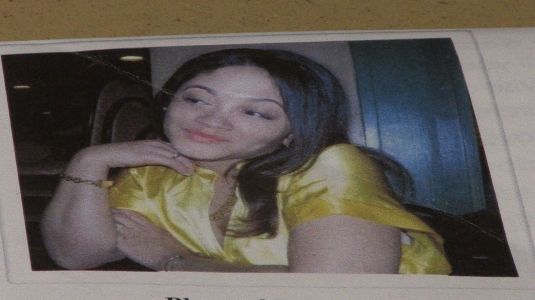
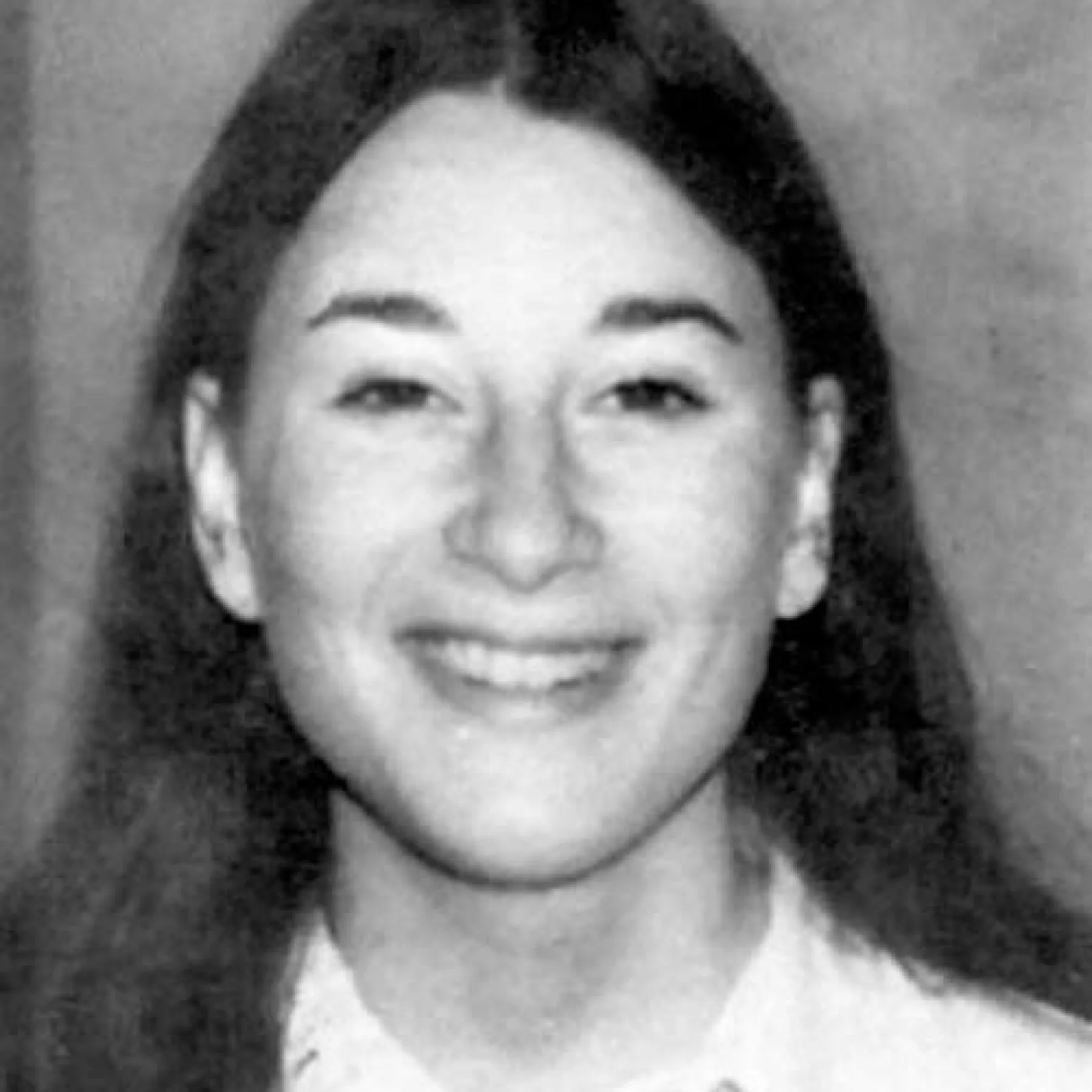
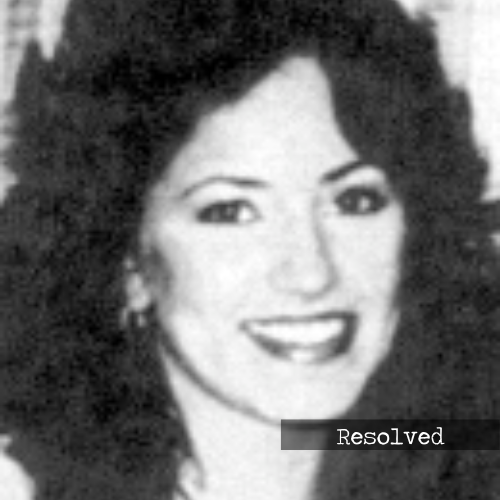
The first week of 1974 had just begun, bringing a chill to the city of Boston. In the neighborhood of Roxbury, the routines of a Sunday were underway. But for one woman, that day would be her last. Her name was Rita Flowers, a 41-year-old female whose life was cut short in an act of violence that has remained a mystery for decades. The limited public record leaves a silhouette of a person, a name and an age, but offers no details about her family, her work, her passions, or the life she lived before it was taken from her. Who she was and what her dreams were have been tragically overshadowed by the brutal manner of her death.
On the evening of January 6, 1974, Boston Police Department officers were dispatched to an address in a busy part of the city, a borderland between the South End and Roxbury. Behind the apartment building at 155 Northampton Street, they made a grim discovery. Rita Flowers had been stabbed.
She was found at the rear of the property and was pronounced deceased at the scene. The Office of the Chief Medical Examiner would later conduct an autopsy and officially rule her death a homicide, confirming that she had been killed by another person.
The investigation into Rita’s murder began immediately, handled by the Boston Police Department’s Homicide Unit. In the 1970s, a decade marked by social upheaval and significant rates of violent crime in many American cities, detectives faced a challenging landscape. Without the advanced forensic technology like DNA analysis that is common today, investigators relied heavily on physical evidence found at the scene, witness testimony, and tips from the public. The area around Northampton Street was a dense urban environment, a mix of residential buildings and commercial activity, meaning there could have been potential witnesses. However, for reasons lost to time, no suspect was ever publicly identified.
The case of Rita Flowers was one of dozens of homicides that Boston police investigated in 1974. The official records from that year list numerous unsolved killings, each a story of loss and a family left without answers. These cold cases represent a quiet, ongoing effort within the department, files that are kept open in the hope that a new piece of information might one day emerge. Detectives in the Unsolved Homicide Unit periodically review these cases, looking for new leads or opportunities to apply modern investigative techniques to old evidence.
Decades have passed since Rita Flowers was killed. The building at 155 Northampton Street still stands, a silent witness to a crime that has never been solved. The world has changed immeasurably since that winter day in 1974, but the fundamental questions of this case remain: Who killed Rita Flowers, and why? Without new information, the answers are locked in the past.
As of today, the investigation into the homicide of Rita Flowers remains open. The Boston Police Department continues to list her case on its roster of unsolved homicides, a public reminder that justice has not yet been served. The department encourages anyone with information, no matter how insignificant it may seem, to come forward. For Rita, and for all victims of unsolved crimes, the hope is that someone, somewhere, holds the key to finally closing this painful chapter. Anyone with information is urged to contact the Boston Police Department Homicide Unit at (617) 343-4470 or to share a tip anonymously through the Crime Stoppers Hotline at 1-800-494-TIPS.