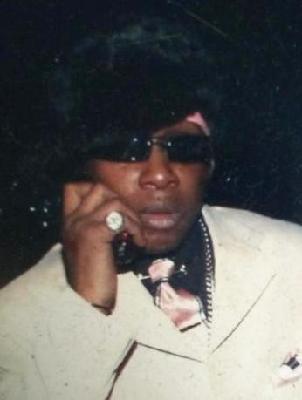
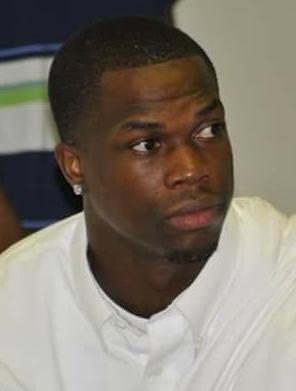
The winter night of Tuesday, January 8, 1974, was shattered by violence at a busy intersection in Boston. For decades, the family and friends of John Moore have lived with the unanswered questions left behind by the sudden and brutal end to his life. John, a 25-year-old man in the prime of his life, became the victim of a homicide that has remained unsolved for half a century, his case now a cold file in the archives of the Boston Police Department. Publicly, little is remembered about the man himself—who he loved, what he did for a living, or the dreams he held for the future. His identity is now inextricably linked to the tragic events of that evening.
That night, Boston Police Department officers responded to a call reporting a person shot at the corner of Brighton Avenue and Chester Street. The location, in the city’s Brighton neighborhood, was a well-trafficked area of shops, apartments, and thoroughfares. When police arrived at the scene, they found John Moore.
He had been shot and was pronounced deceased. The Office of the Chief Medical Examiner later officially ruled his death a homicide, confirming he was a victim of fatal violence. What transpired in the moments leading up to the shooting remains a mystery. There has been no public information released about whether the shooting was the result of a robbery, a personal dispute, or a random act of violence.
The investigation into John Moore’s murder was launched by the Boston Police Department during a turbulent period in the city's history. The year 1974 was marked by deep social and racial divisions, largely inflamed by the court-ordered school desegregation and busing crisis. It was a time of heightened tensions and frequent unrest across Boston's neighborhoods. Detectives in that era worked homicides without the benefit of modern forensic technology like widespread DNA analysis or digital surveillance, relying instead on witness testimony and shoe-leather police work. In John's case, the trail appears to have gone cold. No suspects were ever publicly named, and no arrests were ever made.
Over the years, the faces in the Boston Police Homicide Unit have changed, but the file for John Moore’s murder remains open. As decades passed, the case was absorbed into the department's cold case files, waiting for a new lead, a new witness, or a technological breakthrough that could finally point toward the person responsible. For investigators, the challenge grows with each passing year as memories fade and potential witnesses pass away or become more difficult to locate. The fundamental questions persist: Who targeted John Moore and why? Was he at the wrong place at the wrong time, or was there a more personal motive behind his killing?
Without new information, these questions may never be answered. The case is a stark reminder that behind every unsolved homicide statistic is a human story cut short and a network of loved ones left to grapple with an unresolved tragedy. The passage of time does not diminish the need for justice or the hope that someone, somewhere, holds the key piece of information that could finally bring closure.
As of today, the murder of John Moore is still listed as an active unsolved case by the Boston Police Department. Detectives believe that even after all this time, a witness may still be able to provide the information needed to solve the case. Anyone who may have seen or heard something at the intersection of Brighton Avenue and Chester Street on the night of January 8, 1974, is urged to come forward. Information can be shared with the Boston Police Department Homicide Unit at 617-343-4470. For those who wish to remain anonymous, tips can be submitted through the Crime Stoppers Hotline at 1-800-494-TIPS.