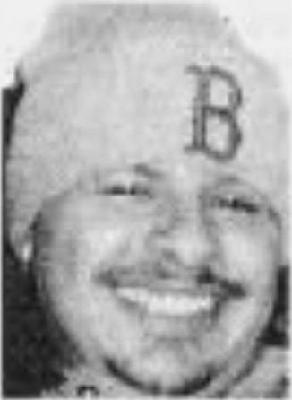
Ralph T. Anzalone was born on April 24, 1943, in Massachusetts to his parents, Arsilio Lawrence Anzalone and Helen Cecilia Payette. He was one of five children, growing up in a family with siblings named Daniel, Arthur, Arsilio Jr., and Nancy. The Anzalone family had roots that stretched from Vermont to the Boston area, where Ralph was living when his life was cut short at the age of 29. Little is publicly known about Ralph’s personality, his profession, or his passions, as the passage of time has obscured the personal details of the young man he was. His story is now primarily told through the stark and tragic details of his final day.
On the cold winter evening of Tuesday, January 23, 1973, the Boston Police Department received a call reporting a person had been shot in South Boston. Officers were dispatched to 289 West Second Street, a multi-family home built in the late 19th century, situated in a dense residential neighborhood. Inside, they found Ralph Anzalone.
He had sustained a fatal gunshot wound and was pronounced deceased at the scene. The Office of the Chief Medical Examiner was called to investigate, and their subsequent autopsy officially ruled the manner of death to be a homicide.
The investigation into Ralph’s murder was handled by the Boston Police Department Homicide Unit. In the early 1970s, Boston was a city grappling with significant social and criminal challenges. The year 1973, in particular, was marked by a high number of homicides, many of which involved firearms. Detectives would have canvassed the South Boston neighborhood, interviewing neighbors, friends, and family to piece together Ralph’s final hours and identify anyone who may have wished him harm. The address on West Second Street was just a few blocks from the Broadway T station and the bustling heart of the neighborhood, a place where someone might have seen something, however insignificant it may have seemed at the time.
Despite the efforts of the initial investigators, the case grew cold. No suspects were publicly named, and no motive for the shooting was ever released. The specific circumstances of what led to the fatal shot inside the residence remain locked in the silence of the past. Over the decades, investigative techniques have advanced dramatically, with the advent of DNA technology and sophisticated database systems offering new hope for cold cases. It is unknown if any physical evidence was preserved from the scene that could be subjected to modern forensic analysis.
Ralph’s parents and all of his siblings have since passed away, leaving a dwindling number of relatives who might hold memories of the young man and the painful loss the family endured. The case of Ralph T. Anzalone is now one of the dozens of unsolved homicides from 1973 that remain on the Boston Police Department's cold case files. The department maintains that even decades later, a single piece of information from the public could be the key to delivering justice.
More than half a century has passed since Ralph was killed, but his case is not forgotten. As of November 2026, his murder remains an active and open investigation. The Boston Police Department continues to ask for the public's help. Anyone with information, no matter how old or seemingly minor, is urged to contact the BPD Homicide Unit at 617-343-4470. For those who wish to remain anonymous, tips can be submitted through the Crime Stoppers Hotline at 1-800-494-TIPS.