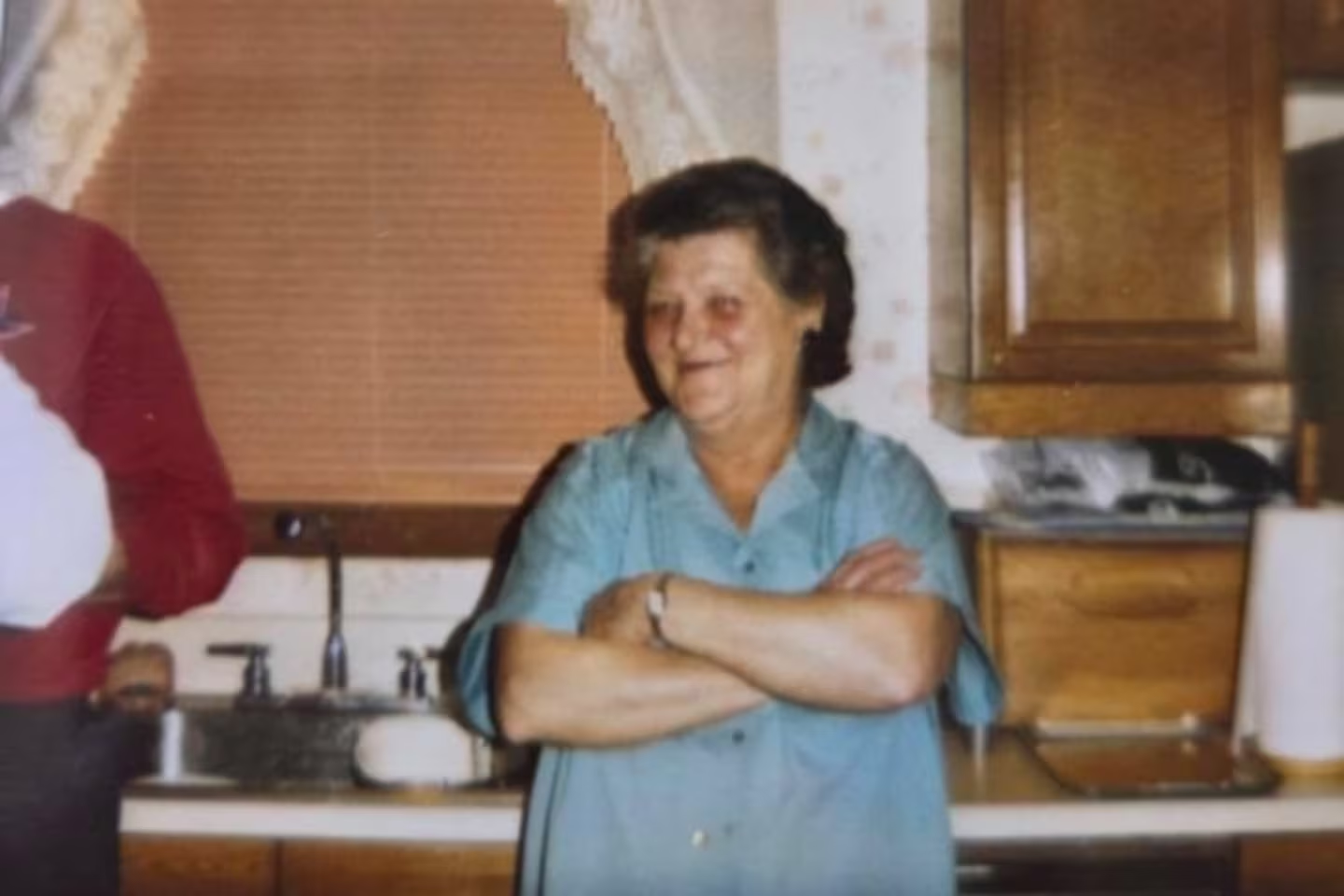
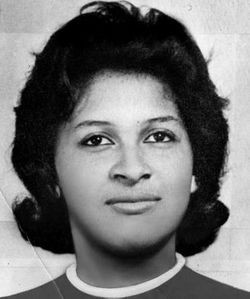
In the winter of 1973, Alice Sourian, a 67-year-old woman, was living a quiet life in her apartment at 103 Spencer Street in Boston’s Dorchester neighborhood. For decades, Dorchester had been a dense, sprawling community of triple-decker homes and tight-knit streets, a place where generations of families had put down roots. It was a neighborhood in transition, reflecting the broader social and economic shifts occurring across Boston during that era. In this setting, Alice lived her daily life, one that was brutally and inexplicably cut short. For more than half a century, the details of who she was—her family, her passions, her history—have been largely lost to the public record, eclipsed by the unanswered questions surrounding her violent death.
On Thursday, February 15, 1973, the Boston Police Department received a call to Alice’s address. Inside her home, officers made a grim discovery. Alice Sourian was deceased, the victim of a brutal attack.
The scene told a story of violence that starkly contrasted with the presumed tranquility of a senior citizen's home. The Office of the Chief Medical Examiner would later conduct an autopsy and officially rule her death a homicide. The cause was determined to be severe head trauma resulting from a beating. The weapon used and the motive behind the vicious assault were not publicly disclosed, leaving a void where answers should be.
The investigation into Alice’s murder was launched immediately by the Boston Police Department. Detectives in 1973 would have canvassed the Spencer Street area, interviewing neighbors and seeking anyone who might have seen or heard something unusual on that cold February day. They would have meticulously processed the scene inside the apartment, searching for fingerprints, forensic clues, or any evidence left behind by the person or people responsible. In an era before widespread DNA technology, investigators relied heavily on traditional methods of shoe-leather detective work, witness statements, and the discovery of physical evidence that could be directly linked to a suspect.
Despite their efforts, the initial investigation did not lead to an arrest. As days turned into weeks and then years, Alice Sourian’s case grew cold. The trail of evidence faded, memories of potential witnesses dimmed, and the city moved on, absorbing countless other tragedies and triumphs. Her murder became one of dozens of unsolved homicides in Boston that year, a statistic in a city grappling with a high rate of violent crime. Each of these cold cases represents a profound and lasting loss for families and a frustrating puzzle for law enforcement.
Over the decades, the file on Alice’s murder has remained open within the Boston Police Department’s Homicide Unit, a silent testament to a crime that has never been solved. It is a case that awaits a breakthrough—perhaps a new look at old evidence with modern technology, or a person with long-held information who finally decides to come forward. Without descendants or friends making public appeals, Alice’s memory has been kept alive primarily through official records, listed among the city’s other unsolved cases.
As of today, the murder of Alice Sourian remains an open and active investigation. The Boston Police Department continues to seek information that could lead to the identification of her killer and bring a measure of justice after so many years of silence. The department encourages anyone with knowledge about this case, no matter how insignificant it may seem, to share what they know. The identity of her killer and the reason for her death are questions that have echoed for more than fifty years, waiting for an answer.