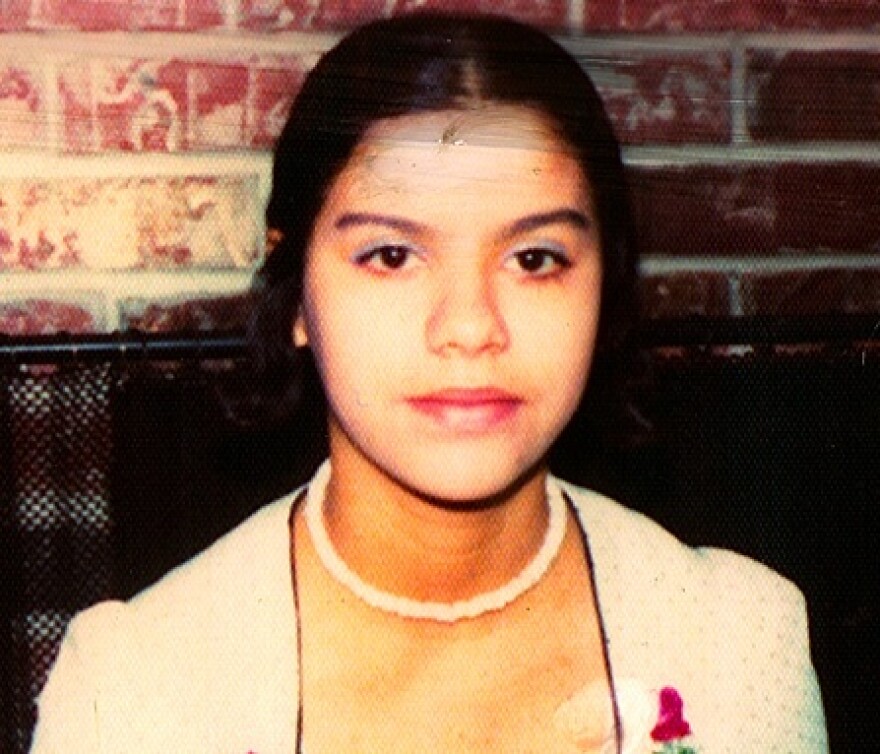
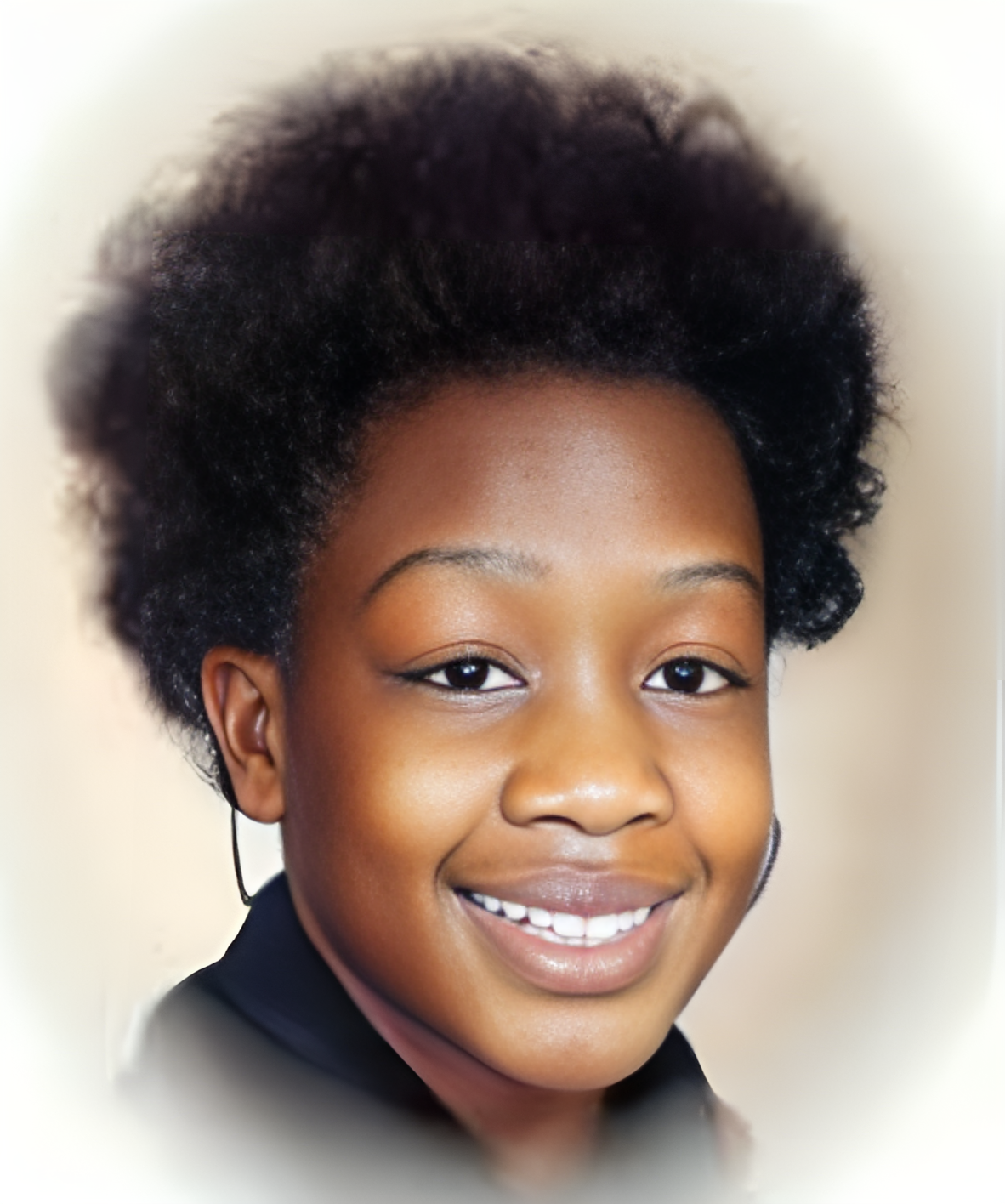
In the final weeks of winter in 1988, the life of a Seattle teenager was violently cut short, leaving behind a case that has remained cold for decades. Ophelia McGnight, a 17-year-old female, was found dead on Saturday, February 6, 1988. Her death was not an accident or the result of natural causes; she had been shot to death, her life ending in an act of brutal violence that authorities would quickly rule a homicide. The questions of who killed her and why have echoed unanswered through the years.
Ophelia’s body was discovered in Montlake Park, a quiet green space in a residential Seattle neighborhood. The Montlake area, nestled between Portage Bay and Union Bay, is known for its early 20th-century homes and its proximity to the water, bisected by the Montlake Cut that connects Lake Washington to Lake Union.
The park where Ophelia was found would have been a familiar landscape to many in the city, a place of community and recreation, making the discovery of a young murder victim there all the more jarring for residents.
The year 1988 was a difficult one for the city of Seattle, which recorded its highest number of major crimes in a 25-year period. The King County region was also still living under the shadow of the Green River Killer, whose string of murders had terrorized the area since 1982. While law enforcement resources were stretched thin by a multitude of complex cases, the investigation into Ophelia’s murder was launched by King County authorities. Detectives processed the scene at Montlake Park, but details of what they found, or what leads they may have developed, were never publicly released. The investigation failed to produce a suspect or a motive, and with no arrests made, the case eventually went cold.
The silence surrounding Ophelia’s murder became emblematic of a challenging era for law enforcement in the region. Her case was one of many that struggled to gain traction. On November 21, 1991, The Seattle Times published a list of forty unsolved murders that had occurred in King, Snohomish, and Pierce counties since 1984, the year the Green River killer was believed to have stopped his spree. Ophelia McGnight’s name was on that list. The article highlighted a grim reality: many of the victims were young women or teenagers, their cases joining a growing file of unsolved homicides that left families without answers and killers who were never brought to justice.
In the decades since her death, there have been no new developments announced in Ophelia’s case. No suspects have been named, and no family members have been quoted in public appeals. The vibrant life of a 17-year-old girl was reduced to a few stark lines in a newspaper archive: her name, her age, and the violent manner of her death in a city park.
As of the last public mention of her case in late 1991, the murder of Ophelia McGnight remains an unsolved file in the records of King County law enforcement. It is a quiet tragedy from a turbulent time in Seattle’s history, a reminder of a young life stolen and a case that is still waiting for the one piece of information that might finally lead to answers and deliver a measure of justice.