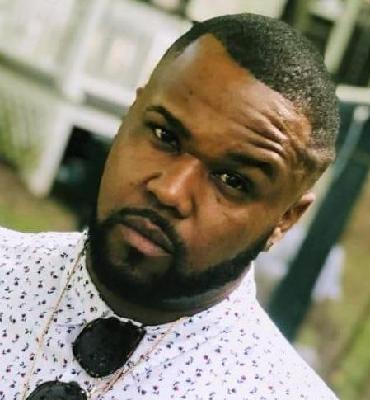
John Gary Driscoll was a talented and respected drummer whose R&B-influenced style powered the sound of several notable rock bands of the 1960s and 70s. Known to friends and fans as Gary, he began his professional career in 1965 when he joined the band Ronnie Dio and the Prophets, fronted by the legendary vocalist Ronnie James Dio. Through several name changes, the group eventually became the hard rock band Elf. Their work caught the attention of Deep Purple’s Roger Glover and Ian Paice, who produced their albums and gave them opening slots on tour. This connection led to a pivotal moment in rock history when Deep Purple guitarist Ritchie Blackmore recruited Driscoll, Dio, and other members of Elf to form the supergroup Rainbow in 1975.
Driscoll’s powerful, groovy drumming is featured on the band's acclaimed debut album, *Ritchie Blackmore's Rainbow*, anchoring classics like "Man on the Silver Mountain."
Despite the album's success, Blackmore soon dismissed Driscoll and the other Elf alumni, except for Dio, reportedly due to a preference for a different drumming style. Driscoll's career never again reached such heights. He played with the band Dakota and later reunited with Rainbow bassist Craig Gruber in the group Bible Black. Eventually, he returned to the area of Ithaca, New York, finding a day job installing tile and playing music as a session musician. He was 41 years old and living in nearby Newfield at the time of his death. Friends remembered him as a nice guy, and his former bandmates, who went on to become major figures in rock, acknowledged his foundational contribution to their early sound.
On June 8, 1987, the music world was shocked by the news of Driscoll's brutal death. His body was discovered in the basement of an Ithaca apartment building belonging to a friend, Robert Gelinas. The male victim had been viciously attacked, suffering a severe beating, stab wounds, and two gunshots to the head. The violence of the crime suggested a personal and furious assault. Investigators learned that Gelinas allegedly operated a cocaine dealing business from the apartment. On the night of the murder, Gelinas and his girlfriend had decided to stay at a motel to avoid late-night customers, and they told Driscoll he could stay over at the apartment.
The investigation by the Ithaca Police Department quickly focused on the local drug scene. Suspicion fell on John Shillingford, a customer who had reportedly argued with Gelinas over a cocaine sale. Shillingford's fingerprints were found on Driscoll's car, which had been abandoned a few miles away at the Cayuga Shopping Center. Police also recovered a.32-caliber handgun believed to be the murder weapon. During Shillingford's 1988 trial in Tompkins County, a witness testified to seeing him with a gun. However, the defense team successfully challenged the handling of the firearm evidence, alleging that pieces of the gun's broken grip had been tampered with or planted at the crime scene by investigators days after the initial search. After a contentious trial, the jury acquitted Shillingford of the murder.
In the years following the acquittal, the case grew cold. No other arrests were ever made. Reports suggested that another potential suspect in the case fled the country before he could be charged, leaving a trail of unanswered questions. The official motive remains unknown, though the circumstances strongly point toward a dispute connected to the drug activity in the apartment. Over the years, more sensational theories have emerged in rock music forums, including unsubstantiated claims by Driscoll's former Bible Black bandmate, Jeff Fenholt, that the murder was a ritualistic satanic killing. These claims, however, are not supported by evidence in the public record.
Nearly four decades later, John Gary Driscoll's murder remains officially unsolved, and his killer has never been brought to justice. The case file sits with the Tompkins County District Attorney's office, a cold case that devastated a tight-knit local music community and left a dark mark on rock and roll history. As of May 2024, an investigator for the DA's office indicated a willingness to review the file, offering a glimmer of hope that new forensic techniques or a re-examination of evidence could one day provide the answers his loved ones have waited for. To this day, no reward has been publicly offered for information leading to the resolution of the case.