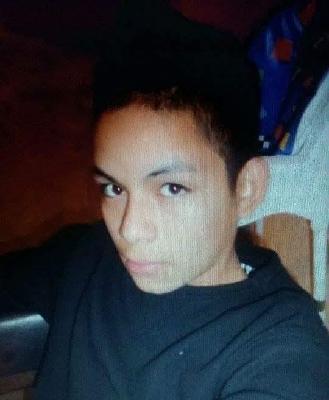
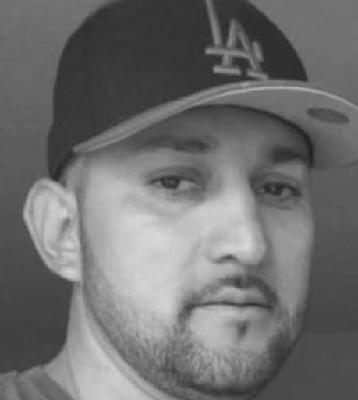
Thomas Lamar Livingston was a 35-year-old father, husband, and licensed minister who lived with his wife, Judith, and their four children, aged two to twelve, in the Stratmoor Hills neighborhood of Colorado Springs, Colorado. A man of faith, he served on the ministerial board of the St. John Baptist Church. Having taken a medical retirement, Thomas repaired and sold lawn mowers to support his family and was also studying auto mechanics at Pikes Peak Community College. He was known as someone who would often volunteer to clean the homes of others.
The morning of Saturday, April 23, 1994, began like any other. Just before the tragedy, Livingston had a brief conversation with his neighbor, trying to sell him a lawnmower. Earlier that morning, his wife had gone to the Ivywild Post Office on South Nevada Avenue to pick up a package. A postal carrier had attempted to deliver it to their home at 4442 Millburn Drive three days prior, but no one had been home to receive it.
When she returned, she handed the parcel to her husband in their driveway. As Thomas began to open it, the package exploded with devastating force.
The blast killed Thomas instantly and threw his wife 10 feet, causing a broken arm and critical head injuries. A neighbor heard the explosion and rushed to the scene. The concussion from the bomb was powerful enough to hurl shrapnel for two blocks and throw a small motor scooter across the property. An autopsy would later confirm that Thomas, a Black male, died from severe trauma to his torso and head, and his death was officially ruled a homicide.
The investigation that followed was a joint effort between the El Paso County Sheriff’s Office, the federal Bureau of Alcohol, Tobacco and Firearms (ATF), and the U.S. Postal Inspection Service. Investigators determined the explosive device was sophisticated, constructed with parts from a military M67 fragmentation grenade and a military-grade fuse. An ATF agent noted at the time that the bomb was not the work of a novice; it had been built to withstand the jostling of the mail system without detonating prematurely. The package had been mailed from the same post office where Judith Livingston picked it up, sent on April 19, 1994.
As detectives delved into Livingston's life, they learned of a recent conflict. About a year earlier, on January 25, 1993, Livingston had been arrested after firing a shotgun at a Fort Carson soldier named Sgt. Kenrick F. Jackman. Livingston missed Jackman but shattered his vehicle's windshield. The argument reportedly stemmed from Livingston's alleged harassment of Jackman's girlfriend. Livingston pleaded guilty to felony menacing and received two years of supervised probation. Investigators considered whether the bombing was an act of revenge. They also looked into a possible racial motive, as the Livingstons were an interracial couple, but did not focus on it.
During the investigation, Jackman became a suspect. On May 3, 1994, he was arrested after attempting to run a car carrying an ATF agent and a witness, Kathreen Sanders, off the road. Sanders, who was Jackman's girlfriend, had been interviewed by investigators for nine hours regarding the murder. An agent reported that Jackman had threatened Sanders with a handgun, telling her she was the only person who could "take him down." Although he was considered a suspect, by June 1994, investigators stated he was not the prime suspect.
Investigators also released composite sketches of a potential witness or suspect. Neighbors and postal workers reported seeing a bespectacled man with long hair both at the Ivywild Post Office when the bomb was mailed and loitering near the Livingston home on the day it exploded. This man was described as being 35 to 40 years old, 5-feet, 8-inches tall, with a slender build, light brown hair with blond highlights, and hazel eyes. Authorities also sought another man, aged about 65, who was seen at the post office at the same time. Despite tracking down hundreds of leads, no one has ever been charged in the murder.
The case of Thomas Lamar Livingston remains an active, unsolved homicide with the El Paso County Sheriff's Office. The U.S. Postal Inspection Service has offered a reward of up to $50,000 for information leading to the arrest and conviction of the person or persons responsible. Anyone with information is asked to contact the El Paso County Sheriff's Office.