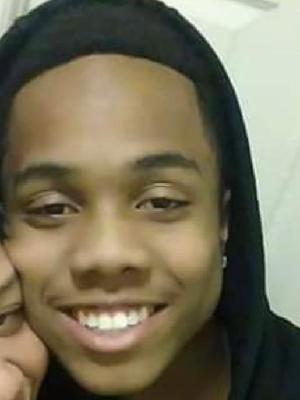
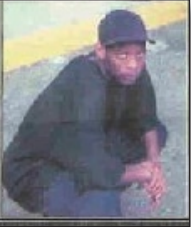
In the quiet, pre-dawn hours of a winter morning, the life of Damon Luke Brown, a 49-year-old African-American man from the Virginia suburbs, was violently ended in the nation's capital. His death on Saturday, February 23, 2013, left behind a painful and enduring mystery for his loved ones and investigators. Brown lived in Ashburn, Virginia, a sprawling suburban community in Loudoun County, known for its residential neighborhoods and proximity to the region's technology corridor. Why he was in a residential neighborhood in Southeast Washington, D.C., more than 30 miles from his home in the middle of the night, remains one of the central, unanswered questions in his case.
The incident unfolded in the 300 block of Livingston Terrace SE, a street in the Congress Heights neighborhood. At approximately 2:53 a.m., officers from the Metropolitan Police Department's Seventh District responded to the area after reports of gunshots. The neighborhood was shrouded in the darkness and stillness of late night, a quiet that was shattered by the violence that took Damon Brown's life. Washington, D.C. would record over 100 homicides in 2013, and Brown's death was one of two unrelated fatal shootings that occurred in the city that same night, a stark reminder of the persistent problem of gun violence.
When police arrived on Livingston Terrace, they discovered a grim scene. Damon Brown was found unconscious, having sustained multiple gunshot wounds. His injuries were severe, and he was unresponsive. Personnel from the D.C. Fire and Emergency Medical Services were called to the location, but upon assessing his condition, they found no signs of life. Damon Luke Brown was pronounced dead at the scene, his life cut short on a cold city street far from his home. The case was officially ruled a homicide.
The investigation was immediately taken over by the Metropolitan Police Department's Homicide Branch. Detectives began the difficult work of canvassing the area for witnesses and searching for any evidence that could point to a suspect or a motive. In the days following the murder, the MPD publicly appealed for assistance, releasing Brown's name and the circumstances of his death in the hope that someone would come forward with information. They distributed flyers detailing the incident, but despite these efforts, the investigation yielded no publicly identified persons of interest or arrests.
Over the years, the case has grown cold, and the trail of the person or people responsible for Damon Brown's death has faded. There has been no public information released about what led to the shooting or whether Brown was targeted or the victim of a random act of violence. The silence surrounding the case has left his family and community without closure or justice. Detectives Charles Fultz and Thomas Smith were assigned to the case in its early stages, their contact information shared with the public in the hopes of generating leads.
More than a decade later, the investigation into the murder of Damon Luke Brown remains open but unsolved. His name is listed among the city's major unsolved homicide cases from 2013 on the Metropolitan Police Department's website. The department continues to offer a reward of up to $25,000 for any information that leads to the arrest and conviction of the individual or individuals responsible for his death. As time passes, the hope for answers rests on the possibility that someone with knowledge of the crime will finally break the silence.
Authorities urge anyone with information about this case to contact the Metropolitan Police Department's Command Information Center at (202) 727-9099. Anonymous tips can also be sent to the department's text tip line by messaging 50411.