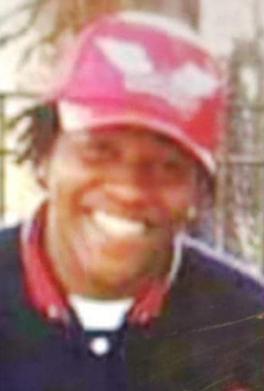
Nathaniel J. Lewis, a 31-year-old man, was tragically killed on December 8, 2016, in Chicago, Illinois. The homicide took place in a city that experienced a significant surge in violence during 2016, with murder rates reaching levels that were some of the highest seen in the past two decades. The year 2016 ended with a staggering total of 769 homicides in Chicago, marking a notable increase from previous years. This spike in violence particularly impacted neighborhoods on the South and West sides, where many residents face systemic socio-economic challenges, contributing to the high crime rates in these areas.
Lewis was among numerous victims caught in the ongoing crisis of gun violence in Chicago, a crisis driven in part by the presence of gangs, economic disparities, and limited opportunities for young people. The neighborhoods that bore the brunt of these homicides were often characterized by poverty and inadequate resources, both of which fueled cycles of violence. Like many others that year, the death of Nathaniel J. Lewis occurred during nighttime hours, a common period for shootings, with most of the violence happening between 7 p.m. and 5 a.m.
The persistence of gun violence in Chicago is exacerbated by the community’s distrust of law enforcement, as well as insufficient cooperation from witnesses due to fears of retaliation. This atmosphere has led to a low clearance rate for homicides, with less than 21% of cases resulting in arrests. This ongoing issue of underreporting and low community collaboration has made it more challenging for authorities to address the root causes of the violence effectively and prevent further tragedies like Nathaniel's death.
Nathaniel Lewis's death serves as a tragic example of the epidemic of violence that has affected Chicago for years, a crisis that continues to devastate countless families and disrupt communities. It underscores the urgent need for comprehensive solutions that address not only policing and law enforcement but also the underlying social issues that contribute to the cycle of violence in these affected neighborhoods.