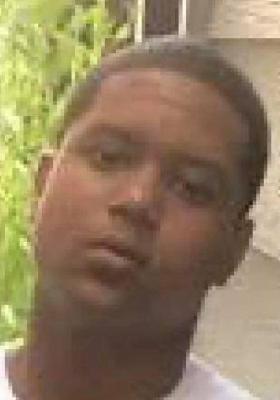
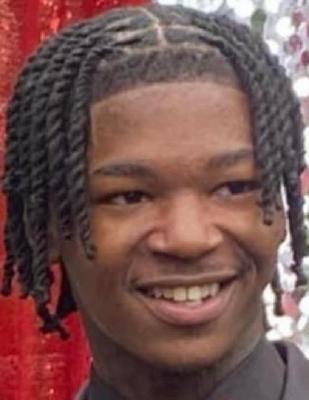
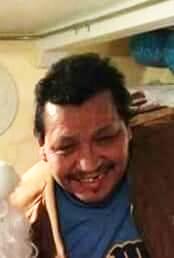
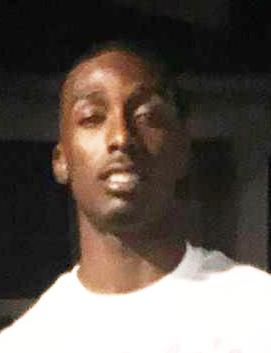
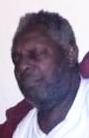
Gregory T. Bell, identified in contemporary news reports as Gregory Thomas-Bell, was a 56-year-old African-American man whose life was cut short by gun violence in Chicago, Illinois, on November 26, 2016. The fatal shooting occurred on a Saturday afternoon in the Woodlawn neighborhood on the city's South Side, during a Thanksgiving holiday weekend marked by numerous shootings throughout Chicago. What began as an apparent confrontation between two individuals ended with Thomas-Bell suffering a fatal gunshot wound to the head.
At approximately 3:38 p.m., witnesses observed Thomas-Bell involved in an altercation with another man in the 6600 block of South Kenwood Avenue. According to information released by the Chicago Police Department, the confrontation escalated, and witnesses subsequently heard a gunshot. Thomas-Bell was struck in the head, leaving him mortally wounded at the scene.
The circumstances suggested that the violence followed a direct confrontation, although investigators did not publicly establish what prompted the disagreement or whether the shooting had been planned.
Emergency responders were unable to save Thomas-Bell. He was pronounced dead at 3:47 p.m., approximately nine minutes after the shooting was reported. The Cook County Medical Examiner's Office confirmed his identity and death. Authorities reported that he resided in the 4300 block of South Greenwood Avenue, several miles north of the location where he was killed. His death added to the growing number of fatal shootings that occurred in Chicago during the 2016 Thanksgiving weekend.
During the initial investigation, police sources described Thomas-Bell as a documented gang member. However, the available reporting did not establish whether gang activity played any role in the confrontation that resulted in his death. Investigators had witness accounts indicating that another man was involved in the altercation, but publicly available reports did not identify that individual or establish the circumstances leading to the gunfire. No information was released identifying the weapon used, whether it was recovered, or whether investigators obtained additional physical evidence.
The investigation initially focused on determining what transpired between Thomas-Bell and the other individual immediately before the shooting. Witness statements provided authorities with a preliminary sequence of events, but they did not publicly establish the identity of the person responsible. At the time of the initial news coverage, Chicago police confirmed that nobody was in custody. No suspect's name was released, and authorities did not announce any criminal charges connected to the killing.
The shooting occurred amid an especially violent holiday weekend in Chicago. News organizations reported that eight people were killed and approximately 60 others wounded in shootings over the Thanksgiving weekend. Thomas-Bell's death was among those fatalities, highlighting the violence affecting neighborhoods across the city. Although his killing was included in broader reports about the weekend's shootings, the individual circumstances received relatively limited follow-up coverage.
Available public reporting does not establish whether anyone was subsequently arrested, charged, prosecuted, or convicted in connection with Thomas-Bell's death. No verified court proceedings or later investigative developments directly associated with his killing were identified. Consequently, the publicly documented status of the investigation remains unresolved, although the absence of published updates does not necessarily mean investigators stopped pursuing the case.
Gregory Thomas-Bell's life ended abruptly on November 26, 2016, following a confrontation on a residential street in Chicago's Woodlawn neighborhood. The accounts of witnesses established that an argument or physical confrontation preceded the fatal gunshot, but the underlying motive and the identity of the person responsible remained unanswered in the available coverage. His death stands as another case in which the immediate circumstances of a homicide were documented, while the question of who ultimately bore criminal responsibility was left without a publicly confirmed resolution.