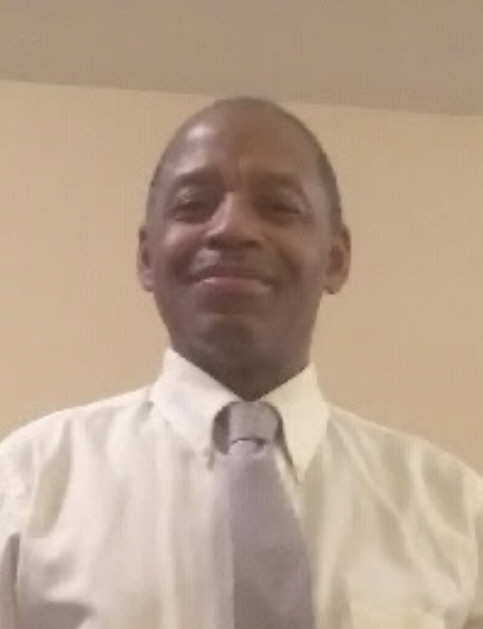
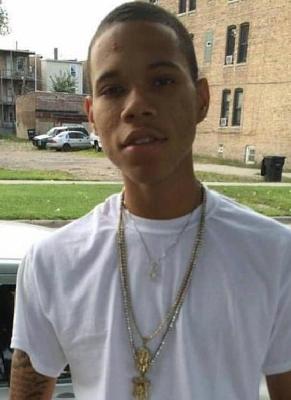
On a holiday meant for celebration, Michael J. Griffin, a 40-year-old African-American man from the Chicago suburb of Tinley Park, lost his life to violence. His death on July 4, 2016, was a grim punctuation mark on a holiday weekend that saw a wave of shootings across the city. Little is publicly known about Michael’s personal life, his family, or his work, but his death left a void and became part of a tragic statistic in a year marked by a severe spike in homicides in Chicago.
The evening of the Fourth of July found Michael in the South Shore neighborhood on Chicago's South Side. At approximately 9:20 p.m., Chicago Police officers responded to calls about a car crash in the 6900 block of South Clyde Avenue. When they arrived, they did not just find a traffic accident. They discovered Michael Griffin lying in the street. He had sustained a gunshot wound to his abdomen.
Paramedics rushed Michael to Stroger Hospital, a top-level trauma center that treats many of the city's most critically injured patients. He was admitted in critical condition, and medical staff fought to save his life. Tragically, their efforts were not enough. Michael was pronounced dead at 10:23 p.m., just over an hour after he was found. The Cook County Medical Examiner's office later confirmed his identity and ruled his death a homicide.
The initial circumstances reported by police—a call about a car crash leading to the discovery of a shooting victim—left many unanswered questions. It was unclear what led to the shooting, whether it was related to the crash, or if the crash was a result of the shooting. The Chicago Police Department opened a homicide investigation, but the case quickly went cold. In the immediate aftermath, police reported that no one was in custody, and they had no suspects.
Michael's murder occurred during one of the most violent years in Chicago in nearly two decades. The city grappled with a surge in gun violence that frequently made national headlines. The Fourth of July weekend of 2016 was particularly brutal, with dozens of people shot across the city, several of them fatally. This context of widespread violence often complicates individual investigations, as police resources are stretched thin and communities may be hesitant to come forward with information.
Years have passed since Michael Griffin was killed, and his case remains unsolved. There have been no publicly announced arrests, suspects, or significant breaks in the investigation. His death is a painful example of the many homicides that leave families waiting indefinitely for answers and justice. The lack of resolution means that the full story of what happened on that South Clyde Avenue street on a summer holiday evening has never been told. As of July 2016, the Chicago Police Department had not identified any suspects, and the case remains an open investigation, one of hundreds of unsolved killings from a year of unprecedented violence in the city.