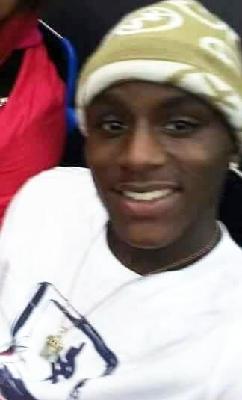
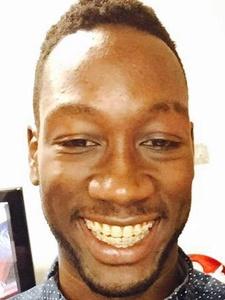
Marshaun L. Jackson, a 27-year-old African-American man, was killed in Chicago, Illinois, on Thursday, June 16, 2016. His death occurred during a month and year marked by an unprecedented surge of gun violence in the city, a crisis that claimed hundreds of lives and left countless families searching for answers that would never come. While few public details are available about Marshaun’s personal life, his death became part of a grim statistic that drew national attention to the epidemic of violence plaguing Chicago's neighborhoods.
The year 2016 was one of the most violent in Chicago's recent history. The city recorded over 760 homicides, a sharp and devastating increase of nearly 60 percent from the year before, reaching a level not seen in two decades. The overwhelming majority of these deaths were the result of shootings, which disproportionately affected communities on the city's South and West Sides.
These neighborhoods, often struggling with the systemic burdens of poverty and disinvestment, bore the brunt of the crisis. The sheer volume of cases inundated the Chicago Police Department, stretching its resources thin and making the path to justice for victims and their families exceedingly difficult.
The month of June 2016 was particularly brutal. The violence was so relentless that it prompted a somber recognition on the floor of the U.S. House of Representatives. On July 5, 2016, a congressman read into the Congressional Record the names of 79 people who had been lost to gun violence in Chicago in the preceding month alone. Among the names of the deceased, listed one after another in a heartbreaking roll call, was Marshaun Jackson. This act served as a stark memorial, highlighting that behind the staggering numbers were individual lives, each one cut short, leaving behind grieving families and fractured communities.
The specific circumstances of Marshaun Jackson's death have not been publicly detailed by authorities. Information regarding the location, time, and motive behind his killing has not been released, and his case received minimal, if any, media coverage at the time. This lack of public information is a common and tragic aspect of many homicide cases that occurred during that period of intense violence, where individual stories were often lost in the overwhelming daily tally of shootings and deaths.
The investigation into Marshaun L. Jackson's murder is handled by the Chicago Police Department. However, in the years since his death, there have been no public announcements regarding any persons of interest, arrests, or charges in connection with the case. The clearance rate for homicides in Chicago during 2016 was notably low, with hundreds of cases, like Marshaun's, remaining unsolved. Investigators often face significant challenges in such environments, including a lack of witnesses willing to come forward due to fear of retaliation or a deep-seated distrust of law enforcement.
For the families of victims like Marshaun, the absence of justice prolongs their suffering. The silence surrounding the case, with no developments or leads to offer a glimmer of hope, compounds the pain of their loss. Without a resolution, there is no closure, only the enduring question of what happened and who was responsible. The story of Marshaun Jackson is a poignant reminder that the true cost of urban gun violence is measured not just in statistics, but in the individual lives stolen and the futures erased.
As of today, the murder of Marshaun L. Jackson remains an open and unsolved case. There is no information available regarding any rewards for information, public vigils held in his memory, or statements from his family. His case stands as one of hundreds from a violent year in Chicago, a testament to the devastating impact of a crisis that left a permanent scar on the city and a legacy of unresolved grief for families still waiting for justice.