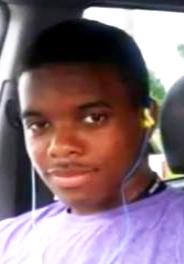
In the heat of an Indiana summer, another life was tragically lost in what was becoming one of Indianapolis's most violent years on record. Gustavo G. Martinez, a 21-year-old Hispanic man, was killed on Friday, July 17, 2015. His death added to a grim tally in a city grappling with a surge of violence that year, a period that saw the homicide rate climb significantly higher than the national average. For the family and friends of Gustavo, the loss was not a statistic, but a deeply personal and permanent void.
Details about Gustavo’s life—his work, his passions, his family, and the people who loved him—are not part of the public record, a common and sorrowful reality for many victims of unsolved violence. What is known is that on that July day, his future was stolen from him, leaving behind questions that have remained unanswered for over a decade. His name is etched into the history of a year when the city's residents and leaders were forced to confront a crisis of bloodshed on their streets.
The call reporting a homicide would have sent officers from the Indianapolis Metropolitan Police Department (IMPD) to a scene that has become all too familiar. Upon arrival, first responders would have worked to secure the area, a perimeter of yellow tape separating the public from the epicenter of a new tragedy. Homicide detectives would have been summoned to begin the painstaking process of piecing together the last moments of Gustavo's life. Their work involves a meticulous search for evidence—shell casings, fingerprints, DNA—anything that might tell the story of what happened and who was responsible.
Detectives would have canvassed the neighborhood, knocking on doors and speaking with potential witnesses, hoping that someone saw or heard something that could provide a crucial lead. In a city the size of Indianapolis, with a police force often stretched thin, community cooperation is vital. The initial hours and days of a homicide investigation are critical, as memories fade and evidence can be lost. The IMPD's Homicide Branch, staffed with experienced investigators, takes on these cases with a commitment to finding justice for the victims and their families.
As the investigation into Gustavo's murder progressed, every piece of information would have been scrutinized. Detectives would have looked into his background and relationships, seeking a motive or a connection that could lead to a suspect. Surveillance footage from nearby businesses or homes, if any existed, would have been collected and reviewed. Despite these standard and thorough procedures, many cases grow cold. Leads dry up, witnesses become reluctant to speak, and the trail of evidence fades.
Years later, Gustavo G. Martinez's case remains unsolved. It is one of many cold cases on the files of the IMPD, a painful reminder of a life taken and a crime unpunished. For families of victims, the passage of time does not heal the wound of an unresolved loss. They are left in a state of perpetual uncertainty, waiting for a phone call that may never come. The Unsolved Homicide Unit of the IMPD periodically reviews these cases, hoping that new technology, a fresh perspective, or a person with long-held information coming forward might finally provide a breakthrough. As of today, the case remains open, a silent testament to a young man's stolen future and a family's enduring search for answers.