Robert Pickton: The Pig Farmer Serial Killer
Overview
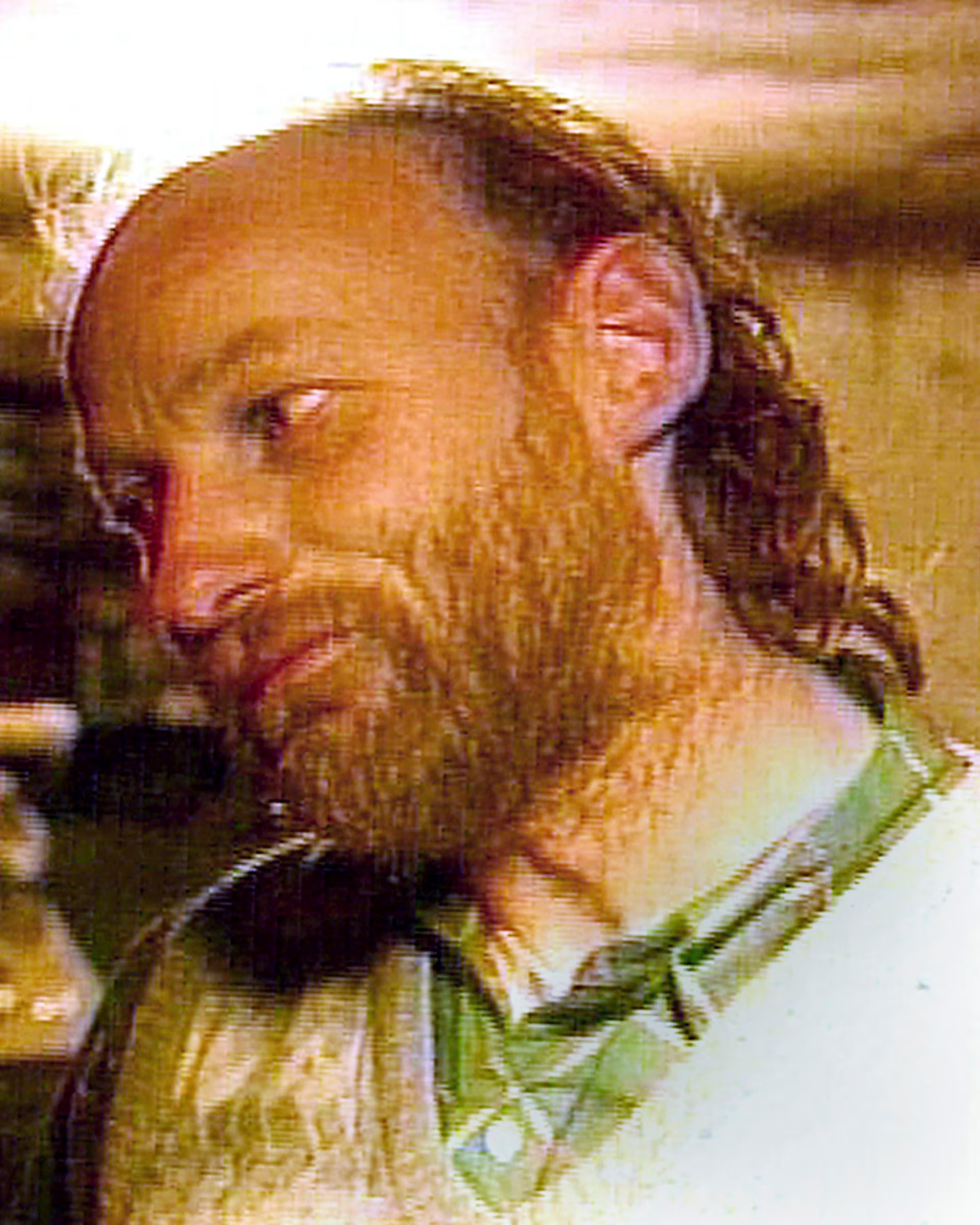
Robert "Willie" Pickton was a Canadian serial killer and former pig farmer from Port Coquitlam, British Columbia. For years, he preyed on vulnerable women from Vancouver's Downtown Eastside, luring them to his farm where he murdered them. The full scope of his crimes remains unknown, but he was convicted in 2007 of the second-degree murders of six women, though the DNA of 33 women was found on his property. He once bragged to an undercover officer that he had killed 49 women. The investigation into Pickton was the largest serial killer investigation in Canadian history and exposed systemic failures by police to protect marginalized women. He was sentenced to life in prison with no possibility of parole for 25 years. His case prompted a public inquiry that highlighted the deep-seated prejudices that allowed his reign of terror to continue for so long. Pickton died in May 2024 after being assaulted by another inmate in a Quebec prison.
Early Life and Background
Robert William Pickton was born on October 24, 1949, in Port Coquitlam, British Columbia, to a family of pig farmers who had been in the area for generations. He and his younger brother, David, and older sister, Linda, grew up working on the family farm. Neighbours and acquaintances described him as a quiet and simple man. He dropped out of school and worked as a meat cutter for a time before returning to work full-time on the farm.
After their parents died in the late 1970s, the Pickton siblings inherited the farm. They sold off portions of the land for development, which made them millionaires. Robert and David continued to live and work on the remaining property. They established a non-profit organization called the "Piggy Palace Good Times Society," and their farm became known for hosting large, wild parties that were attended by a wide range of people, including sex workers from the Downtown Eastside.
In March 1997, Pickton was charged with the attempted murder, assault with a weapon, and forcible confinement of a sex worker named Wendy Lynn Eistetter. She told police that Pickton had handcuffed and stabbed her at the farm, but she managed to escape after wounding him with his own knife. The charges were later stayed by the Crown prosecutor in early 1998. This decision would later come under intense scrutiny, as it is believed Pickton went on to kill many more women in the following years.
The Murders
The disappearances of women from Vancouver's Downtown Eastside, a neighborhood known for high rates of poverty, drug addiction, and sex work, had been a growing concern for years. Many of the missing were Indigenous women, a demographic disproportionately affected by violence in Canada. Activists and family members of the missing women had long been raising alarms, but their concerns were often dismissed by authorities.
Pickton lured women from the Downtown Eastside to his farm in Port Coquitlam, about 17 miles east of Vancouver. The farm was a squalid and chaotic property, littered with junked vehicles, dilapidated buildings, and mud. It was here that he committed his horrific crimes. The exact methods he used to kill his victims are not fully known. After their deaths, he dismembered their bodies. During the investigation, health officials issued a public warning that Pickton might have mixed human remains with pork that he sold to the public, though this was never definitively proven.
The Victims
Robert Pickton was convicted of murdering six women, but he is suspected of killing many more. The remains or DNA of 33 women were eventually found on his farm. His victims were daughters, mothers, and sisters, whose lives were tragically cut short. They were often in vulnerable situations, struggling with addiction and poverty, which made them targets.
The six women Pickton was convicted of murdering are:
- Sereena Abotsway, 29 — Reported missing in August 2001, Sereena was a creative and outspoken person who had been in the foster care system. She was a mother and was known for her resilience despite a difficult life.
- Marnie Lee Anne Frey, 24 — Last seen in December 1997, Marnie was a mother who was trying to get her life back on track. She was deeply loved by her family, who never gave up searching for her.
- Andrea Joesbury, 22 — Andrea disappeared in June 2001. She was a mother to a young daughter and was described as a lovely and creative person.
- Georgina Faith Papin, 34 — Georgina was a mother of seven who was last seen in March 2001. She was a member of the Enoch Cree Nation and was remembered for her caring nature.
- Mona Lee Wilson, 26 — Mona was last seen in November 2001. She had a son and was known to be a kind and gentle person who was struggling with addiction.
- Brenda Ann Wolfe, 32 — Brenda was reported missing in April 2000. She was a mother who had a difficult life but was still loved by her family.
Investigation and Capture
For years, police were criticized for their failure to seriously investigate the disappearances of women from the Downtown Eastside. Tips about Pickton had been coming in to police as early as 1998, but they were not acted upon effectively. There was a lack of coordination between the Vancouver Police Department, which was investigating the missing persons cases, and the Royal Canadian Mounted Police (RCMP), which had jurisdiction over Port Coquitlam.
The breakthrough in the case came on February 5, 2002, when a junior RCMP officer, acting on a tip about illegal firearms, obtained a search warrant for the Pickton farm. During that search, police found personal items belonging to some of the missing women, including an asthma inhaler prescribed to Sereena Abotsway. This discovery triggered a massive and meticulous investigation of the property.
The farm was sealed off, and what followed was one of the largest and most complex forensic investigations in Canadian history. For more than a year and a half, forensic experts, including archaeologists and anthropologists, sifted through soil and dismantled buildings on the sprawling, cluttered property. The search uncovered horrific evidence, including the dismembered remains of women, personal belongings, and DNA evidence from dozens of individuals.
Robert Pickton was arrested on February 22, 2002, and was initially charged with two counts of first-degree murder. More charges followed as the search of his farm continued, eventually totaling 27 murder charges, though one was later dropped. While in jail, Pickton was placed in a cell with an undercover police officer posing as an inmate. In a videotaped conversation, Pickton confessed to killing 49 women and said he had wanted to make it an even 50.
Trial and Sentence
Robert Pickton's trial began in January 2007. Due to the complexity of the case, the judge made the controversial decision to sever the charges, proceeding with a trial on six counts of murder: those of Sereena Abotsway, Mona Wilson, Andrea Joesbury, Brenda Wolfe, Georgina Papin, and Marnie Frey. The trial for the remaining 20 charges was to be held later.
The trial lasted for nearly a year and featured disturbing testimony and evidence. The prosecution presented evidence from the farm, including the victims' remains and DNA, as well as Pickton's confession to the undercover officer. The defense argued that the Crown had not proven beyond a reasonable doubt that Pickton was the killer, suggesting that others who frequented the farm could have been responsible.
On December 9, 2007, the jury found Robert Pickton not guilty of first-degree murder but guilty of six counts of second-degree murder. Two days later, on December 11, B.C. Supreme Court Justice James Williams sentenced Pickton to life in prison with no possibility of parole for 25 years, the maximum sentence for second-degree murder. In his sentencing, the judge called Pickton's actions "murderous and repeatedly so" and described what happened to the women as "senseless and despicable."
In 2010, the Crown announced that it would not proceed with the trial for the remaining 20 murder charges. The decision was made because Pickton was already serving the maximum possible sentence under Canadian law, and a second trial would have been long, costly, and difficult for the families of the victims.
Death in Prison
On May 19, 2024, Robert Pickton was assaulted by another inmate at the Port-Cartier Institution, a maximum-security prison in Quebec where he had been incarcerated since 2018. The assailant, later identified as 51-year-old Martin Charest, used a broken broom handle in the attack. Pickton sustained life-threatening injuries and was airlifted to a hospital, where he was placed on life support. He died from his injuries on May 31, 2024, at the age of 74.
Aftermath and Legacy
The Robert Pickton case had a profound and lasting impact on Canada. It brought to light the systemic failures of the police and justice system to protect some of society's most vulnerable members. The case became a symbol of the national crisis of missing and murdered Indigenous women and girls.
In 2010, the British Columbia government launched the Missing Women Commission of Inquiry, headed by former judge and attorney general Wally Oppal. The inquiry's final report, released in 2012 and titled "Forsaken," was a scathing indictment of the police investigations. It concluded that "systemic bias" and "blatant failures" by police allowed Pickton to continue his crimes for years. The report found that prejudices against the victims, who were mostly poor, drug-addicted, and Indigenous sex workers, led to their disappearances not being taken seriously. The inquiry made 63 recommendations for changes to policing and the justice system.
Both the Vancouver Police Department and the RCMP eventually issued apologies for their handling of the case. In the years following the inquiry, some changes were made, including increased funding for services for vulnerable women and new policies for police. However, many advocates and families of the victims feel that not enough has been done to address the root causes of the violence that led to the tragedies. The legacy of Robert Pickton is a painful reminder of a dark chapter in Canadian history and the ongoing struggle for justice for missing and murdered women.