Kenyel Brown: The Metro Detroit Serial Killer
Overview
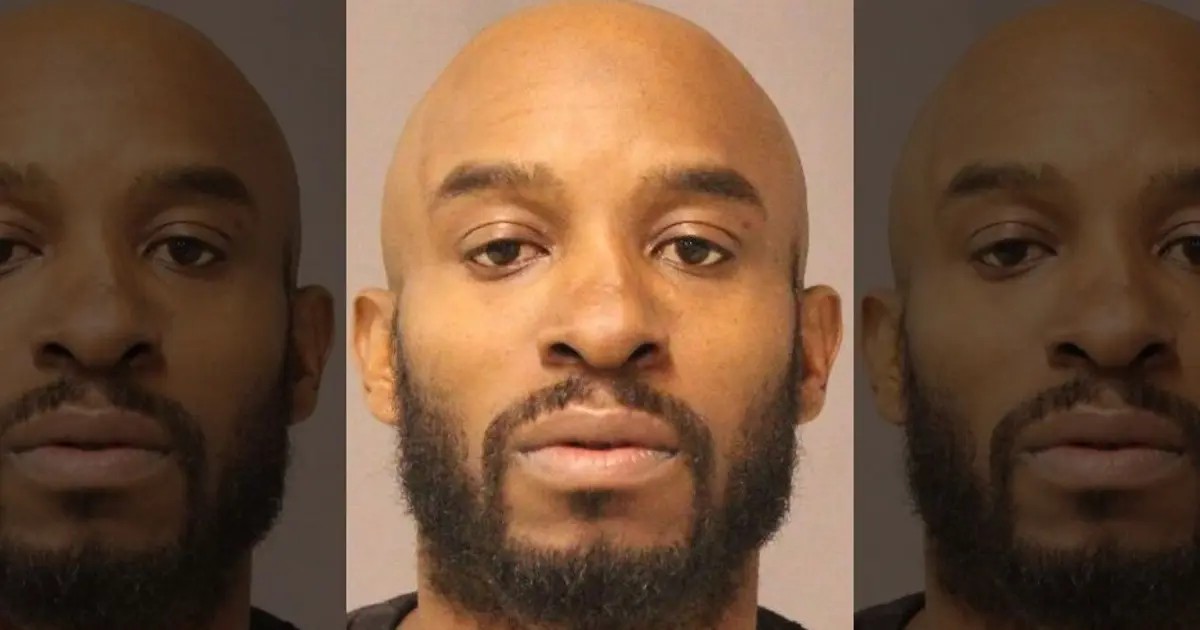
In the winter of 2019 and 2020, a wave of violence swept across three cities in Michigan's Wayne County, leaving six people dead and a community in fear. The man responsible was Kenyel William Brown, a 40-year-old career criminal whose bloody rampage was made all the more shocking by the revelation that he had been serving as a federal informant. For nearly three months, Brown eluded capture while committing a series of brutal shootings in River Rouge, Highland Park, and Detroit. His crimes, often linked to robberies, appeared random yet were connected by a single perpetrator. The manhunt culminated in a dramatic confrontation where Brown, cornered by law enforcement, took his own life, leaving a trail of grief and a storm of controversy over the justice system's failure to keep him off the streets.
Early Life and Criminal Career
Kenyel William Brown was born on July 3, 1979, in River Rouge, Michigan. Raised in a large family, he was known in his youth as a gifted basketball player at River Rouge High School. However, his athletic promise was derailed by a turn to crime that began in his teenage years.
His adult criminal record started in August 1997 with an arrest for assault with a dangerous weapon and carrying a concealed weapon, which resulted in a year in the Wayne County Jail. This was the beginning of a long and persistent pattern of criminal behavior. Over the next two decades, Brown was arrested for a variety of offenses, including weapons and drug charges, resisting arrest, and fleeing police.
A significant event in his criminal history occurred in February 2001, when he caused a vehicle accident that killed one person. Though initially charged with second-degree murder, the charge was dropped, and he was sentenced to 10 years in prison as a habitual offender, gaining parole in 2010.
Despite this extensive record, a pivotal and controversial turn came in March 2015, when Brown was recruited as a confidential informant for the federal Bureau of Alcohol, Tobacco, Firearms and Explosives (ATF). This relationship with federal law enforcement allowed him to remain free despite numerous parole and probation violations, including a DUI arrest and failed drug tests. In October 2019, after the ATF ended its relationship with him, he was signed up as an informant by a joint Detroit Police and DEA task force, receiving $150 for information that ultimately proved useless. This status as an informant would later become a central point of outrage and investigation following his deadly crime spree.
The Murders
The series of murders began on December 7, 2019, in Brown's hometown of River Rouge. His first victim was 31-year-old Loren Harrington, who was shot multiple times at an apartment complex on Beechwood Street. For weeks, the killing remained unsolved as Brown continued to move freely.
On the evening of January 30, 2020, Brown was at a home on the same street, Beechwood, drinking with his childhood friend, 48-year-old Dorian Patterson, and Patterson's brother. They were later joined by 52-year-old Kimberly Green and 44-year-old Clifton Smith. An argument erupted, and Brown opened fire. He fatally shot both Patterson and Green. Clifton Smith was shot 23 times but miraculously survived, escaping the house and flagging down police. Smith's testimony was crucial in identifying Brown as the shooter and linking him to the double homicide.
With a manhunt officially underway, Brown's violence escalated. On February 18, he shot and killed 49-year-old Garcius Woodyard in Highland Park during an attempted robbery.
Two days later, on February 20, Brown targeted 41-year-old Amir Thaxton in Detroit. Thaxton, a graphic artist and father of three, was working late at his custom t-shirt shop. Brown, who was an acquaintance of Thaxton, was seen on surveillance video at the shop before stealing Thaxton's money, valuables, and his Dodge Caravan.
Brown's final victim was 36-year-old Eugene Jennings, killed on February 22 in Detroit. Jennings was found shot to death in a vacant house, and investigators believe Brown killed him while trying to steal a car.
The Victims
- Loren Harrington, 31 — A resident of River Rouge, he was the first person killed in Brown's spree on December 7, 2019. His mother, Tracye Harrington, would later voice her anguish over a system that allowed his killer to be on the streets.
- Kimberly Green, 52 — A mother of two and grandmother to a three-year-old, she was described by her family as a beautiful soul who saw the good in everyone. She was killed on January 30, 2020, while visiting friends, an innocent bystander in the wrong place at the wrong time.
- Dorian Patterson, 48 — A childhood friend of his killer, he was shot and killed in his own home on January 30, 2020. His brother had been with the two men just hours before the shooting.
- Garcius Woodyard, 49 — He was shot and killed in Highland Park on February 18, 2020, during what police believe was a robbery attempt by Brown.
- Amir Thaxton, 41 — A talented graphic artist and loving father of three, he was killed at his Detroit business on February 20, 2020. His family was left shocked and devastated, unable to understand why he was targeted.
- Eugene Jennings, 36 — A father of five, he was remembered by his family as a selfless man who was the glue that held them together. He was Brown's last victim, killed in Detroit on February 22, 2020.
Investigation and Capture
The investigation intensified after the triple shooting in River Rouge on January 30, 2020. The testimony of survivor Clifton Smith and Dorian Patterson's brother immediately identified Kenyel Brown as the suspect, and a warrant was issued for his arrest. As police began their search, they connected Brown to the earlier murder of Loren Harrington.
A multi-agency manhunt was launched, involving the U.S. Marshals, Detroit Police, Michigan State Police, and the ATF. Brown was considered armed and extremely dangerous. The investigation linked him to more killings as his spree continued through February. Police believe robbery was a primary motive in several of the murders, with Brown stealing cars and valuables from his victims.
The manhunt came to an end on February 24, 2020. An employee at an adult bookstore in Oak Park recognized Brown from news reports and called 911. Police from Oak Park and Detroit quickly swarmed the area. Brown fled, hopping fences through residential backyards. As officers closed in and cornered him, he produced a handgun and shot himself once in the head. He was taken to a local hospital in critical condition.
Death and Aftermath
Kenyel Brown never regained consciousness. He was declared brain dead and died on February 28, 2020, four days after shooting himself. His death brought an end to the terror but left his victims' families without the chance to see him face justice in a courtroom. Before his death, the Wayne County Prosecutor's Office had already charged him with two counts of first-degree murder for the killings of Kimberly Green and Dorian Patterson, along with assault with intent to murder for the shooting of Clifton Smith.
The most significant and controversial legacy of the Kenyel Brown case was the exposure of his status as a federal informant. In the wake of the murders, Detroit Police Chief James Craig held a press conference revealing that Brown had been kept out of jail by federal agencies despite multiple probation violations. Craig expressed his frustration, stating that his department was unaware of Brown's history of violations when he was transferred to their joint task force. The revelation sparked public outrage and a federal investigation into the handling of informants. The incident led to a breach of trust between the Detroit Police Department and the DEA, with Chief Craig ultimately pulling his officers from the joint task force.
Clifton Smith, the sole survivor of the January 30th shooting, later filed a federal lawsuit against the city of Detroit, alleging that law enforcement was reckless in using a violent felon like Brown as an informant, directly leading to the deaths and his own severe injuries. The case highlighted the profound dangers of a system that allowed a known violent offender to remain free, with tragic consequences for six families.