Phillip Dean Hancock: The Oklahoma Self-Defense Killer
Overview
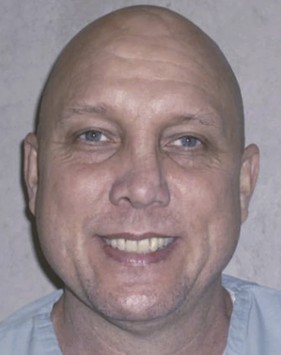
Phillip Dean Hancock was an Oklahoma man whose life was defined by three killings nearly two decades apart, both of which he steadfastly claimed were acts of self-defense. In 1982, at the age of 18, he shot and killed a man during a drug-related dispute and was convicted of manslaughter. Nineteen years later, in 2001, he killed two more men under similar circumstances. This time, a jury convicted him of two counts of first-degree murder and sentenced him to death. Despite a recommendation for clemency from the state's Pardon and Parole Board and persistent questions about his self-defense claims, Hancock was executed by the state of Oklahoma in 2023. His case highlights the complexities of self-defense arguments within the criminal justice system, particularly when intertwined with the illicit drug world.
Early Life and First Killing
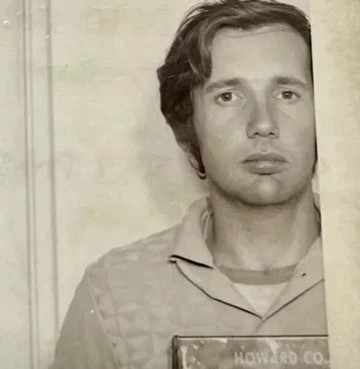
Phillip Dean Hancock was born on February 15, 1964, in Oklahoma City. His early life was marked by an entry into the criminal justice system at a young age. On May 26, 1982, when he was 18, Hancock was involved in a fatal altercation in an Oklahoma City park. He shot and killed 27-year-old Charles Lester Warren. At his trial, Hancock argued that he had acted in self-defense. A jury found him guilty of the lesser charge of first-degree manslaughter, and on October 21, 1982, he was sentenced to a minimum of four years in prison. He would serve less than three years before being released on parole. This first violent episode and his subsequent conviction would be a critical factor in the legal proceedings that followed his later crimes.
The 2001 Double Murder
On the night of April 27, 2001, nearly two decades after his first conviction, Hancock was at the Oklahoma City home of 37-year-old Robert Lee Jett Jr. Also present were Jett’s 58-year-old friend, James Vincent Lynch III, and a woman named Shawn Tarp. The gathering was steeped in the local drug culture; Hancock’s girlfriend at the time was reportedly supplied with drugs by Jett.
An argument erupted, which Hancock later claimed began when Jett and Lynch, whom his lawyers described as members of outlaw motorcycle gangs, tried to force him into a large metal cage. Hancock maintained that the men attacked him, with one swinging a metal bar, and that he was unarmed and acting in fear for his life. During the struggle, Hancock managed to gain control of Jett's pistol.
He shot both Jett and Lynch. Lynch died inside the residence from multiple gunshot wounds to his face, neck, and torso. Jett, wounded, fled into the backyard. According to prosecutors and witness testimony, Hancock followed him. A witness heard a wounded Jett say, "I'm going to die," to which Hancock reportedly replied, "Yes, you are," before shooting him again. When police arrived, alerted by a neighbor who heard gunshots, they found Jett moaning in the backyard; he died shortly thereafter. Lynch was found dead on the floor inside the house.
The Victims
- Charles Lester Warren, 27 — Killed on May 26, 1982, in an Oklahoma City park. Hancock, then 18, claimed self-defense in the shooting and was convicted of manslaughter.
- Robert Lee Jett Jr., 37 — Killed on April 27, 2001, at his home in Oklahoma City. Jett was involved in the local drug scene and was shot during a violent altercation with Hancock. His brother, Ryan Jett, later testified that while his brother was not an angel, he "didn't deserve to die in the backyard like a dog."
- James Vincent Lynch III, 58 — Killed on April 27, 2001, alongside Robert Jett. A friend of Jett's, Lynch was also shot and killed by Hancock during the chaotic fight inside Jett's home.
Investigation and Capture
Following the 2001 double homicide, Phillip Hancock fled the scene. The investigation initially stalled, but a tip from a private attorney eventually pointed police toward Hancock. By that time, Hancock was already incarcerated in Hinton, Oklahoma, serving time for unrelated drug and firearm offenses in Logan County. During that arrest, officers had confiscated a .380 caliber pistol which was later proven to be the weapon used to kill Jett and Lynch.
Investigators from Oklahoma City interviewed Hancock in prison. After being read his Miranda rights, he waived them and confessed to shooting both men, though he consistently framed the act as one of self-defense. On June 28, 2002, the state formally charged Hancock with two counts of first-degree murder.
Trial and Sentence
Hancock's trial took place in Oklahoma County District Court. The prosecution painted him as a violent aggressor, highlighting his 1982 manslaughter conviction to establish a pattern of deadly behavior. They argued that even if the conflict began as self-defense, Hancock's act of pursuing a wounded Robert Jett into the backyard and shooting him again constituted murder. Assistant Oklahoma Attorney General Joshua Lockett told the Pardon and Parole Board years later, "Chasing someone down, telling them you are about to kill them and then doing it is not self-defense."
Hancock’s defense team argued that he was lured to the house and attacked, fighting for his life against two dangerous men. However, this defense was hampered by what his trial attorney later admitted was a relapse into drug and alcohol addiction during the case, leading to inadequate representation. The original jury foreperson also later signed a sworn statement expressing doubts about the verdict, suggesting jurors believed Hancock acted in self-defense initially but became the aggressor.
On September 30, 2004, the jury found Phillip Hancock guilty of two counts of first-degree murder. The jury found the existence of four aggravating circumstances for each murder: that Hancock had a prior felony conviction involving violence, that he created a great risk of death to more than one person, that the murders were "especially heinous, atrocious, or cruel," and that he posed a continuing threat to society. Based on these findings, they recommended two death sentences. On October 25, 2004, Judge Susan P. Caswell formally sentenced Hancock to death.
Appeals and Clemency
For nearly two decades, Hancock resided on Oklahoma's death row, appealing his conviction and sentence while maintaining his innocence on the grounds of self-defense. His appeals lawyers presented new evidence over the years, including a declaration from his ex-girlfriend admitting she had arranged with Jett to lure Hancock to the house to be "taken care of." They also highlighted the sworn declaration from his trial lawyer about his substance abuse issues during the trial.
In the final months of his life, Hancock's case gained significant attention. His lawyers filed a clemency petition, and his case was championed by unlikely allies, including two Republican state legislators, Kevin McDugle and Justin Humphrey, who argued that executing a man for what they saw as self-defense was an injustice.
On November 8, 2023, the Oklahoma Pardon and Parole Board held a clemency hearing. Hancock, appearing via video link, told the board, "Please understand the awful situation I found myself in." After hearing arguments from both the defense and the state, the board voted 3-2 to recommend that Governor Kevin Stitt commute Hancock's death sentence to life in prison without parole.
Execution
The parole board's recommendation was not binding. Governor Stitt, who had only granted clemency once before in a high-profile death penalty case, had the final say. Despite the board's vote and pleas from Hancock's supporters, Governor Stitt denied clemency on the morning of November 30, 2023, the scheduled execution date. In a statement, Stitt said, "I reviewed the many facts and materials presented in this case and considered that this was not his first conviction. I trust this brings some closure to all the families involved."
Hours later, Phillip Dean Hancock, 59, was executed by lethal injection at the Oklahoma State Penitentiary in McAlester. He was pronounced dead at 11:29 a.m. His attorney, Shawn Nolan, released a statement calling the execution "unlawful" and stating, "This was a clear case of self-defense and the Governor and the state ignored a wealth of evidence showing that Phil was fighting for his life." The execution was the fourth and final one carried out by Oklahoma in 2023.