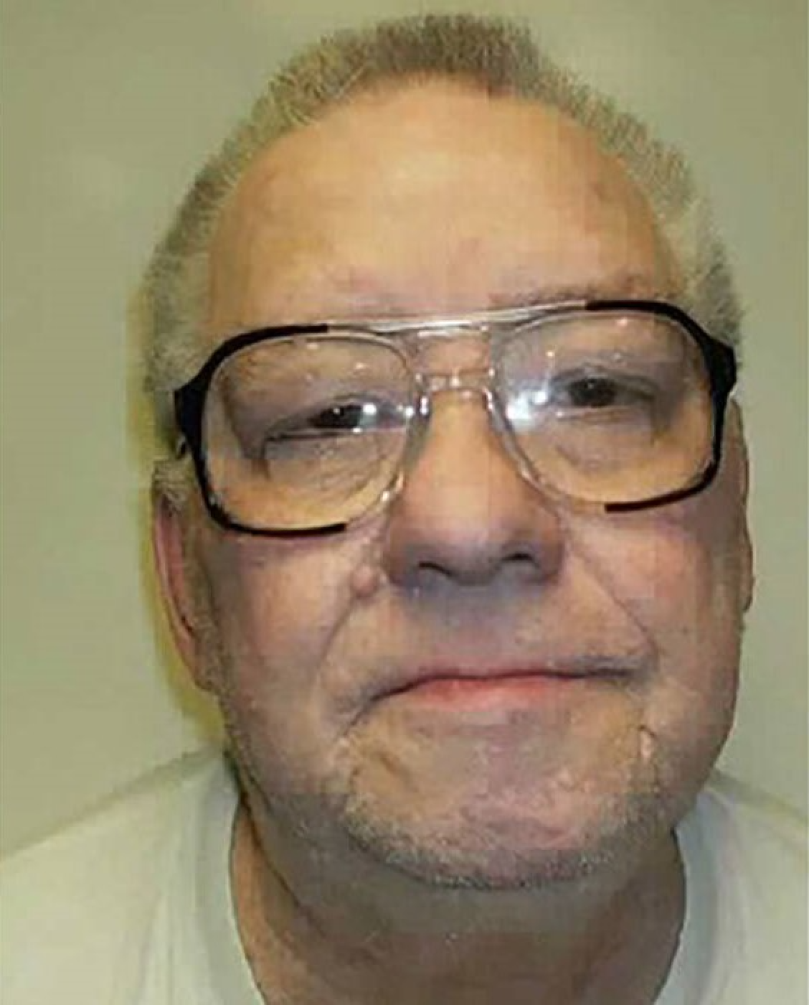
Anthony Wimberly: The Oakland Robbery-Killer
Overview
In a terrifying three-month span between late 1984 and early 1985, Anthony Rene Wimberly, a young man with a long history of crime, escalated his offending to serial murder. His violent spree across Oakland, California, was fueled by robbery, leaving three women dead, two other victims shot and left for dead, and a community gripped by fear. Wimberly’s attacks were marked by their brutality, often involving sexual assault and murder to eliminate witnesses. His eventual capture brought to a close a series of crimes that highlighted the tragic failures of the parole system and left several families devastated.
Early Life and Criminal History
Anthony Rene Wimberly was born Anthony Rene Lee on October 26, 1962, in Antioch, California. His childhood was unstable; his parents divorced when he was young, and his mother moved frequently for work before settling back in Oakland when he was nine. Wimberly's criminal behavior began in his early teens. At 14, in 1976, he was arrested for assault and sent to a group home for nine months.
This was the start of a revolving door of incarceration and parole. Following his release, he was arrested for robbery and spent eleven months in a California Youth Authority facility in Stockton. He was paroled in 1978 but was back in custody within six months for another burglary. Paroled again in January 1980, he briefly attended Castlemont High School in East Oakland but struggled academically.
As an adult, his crimes grew more brazen. On November 4, 1980, he broke into a home and tied up a 12-year-old boy while he ransacked the house. In June 1981, he stole a Lincoln Continental and was caught five days later during another burglary. This led to a three-year prison sentence. He was paroled in May 1983, but was sent back to San Quentin State Prison that September for grand theft auto and parole violations. On September 3, 1984, Wimberly was released on parole once more, moving into his mother's apartment in Oakland's Acorn housing projects. This time, his freedom would have fatal consequences.
A Spree of Violence Begins
Just over two months after his final release from prison, Wimberly began the most violent period of his criminal career. On November 8, 1984, he broke into a home in West Oakland where he attacked a 12-year-old girl. He brandished a pistol, raped her, and then shot her twice in the head and neck before leaving her for dead. Miraculously, the young girl survived. She managed to untie herself and call the police, providing investigators with their first link in a chain of horrific crimes.
The violence continued into the holiday season. On December 23, 1984, Wimberly broke into the home of 24-year-old Anna Arevalo. He raped and shot the young secretary multiple times, then hid her body in a closet before ransacking the residence. Wimberly fled, leaving Arevalo's twin infant daughters crying but physically unharmed in an adjacent room. The bullets recovered from her body were matched to those used in the November attack on the 12-year-old survivor, confirming police fears that a serial offender was at large.
The Murders of Marilyn Moore and Doris Lee
The new year brought no reprieve from Wimberly's reign of terror. On January 24, 1985, he entered a beauty parlor on Oakland's historic Bret Harte Boardwalk with the intent to rob it. Inside were two employees, 35-year-old Marilyn A. Moore and her coworker, 35-year-old Vicky J. Russo. When the women told him they had no money, Wimberly shot them both multiple times. Marilyn Moore was killed in the attack, her body later found in a closet at the back of the shop. Vicky Russo was critically wounded but survived.
Wimberly stole the keys to Russo's van and fled. A high-speed chase ensued after police spotted the vehicle, with a helicopter spotlight tracking the van through West Oakland. Wimberly eventually abandoned the vehicle and, despite the massive police presence, managed to disappear into the Acorn Projects.
Just one week later, on January 31, Wimberly struck for the final time. He broke into the Oakland Hills home of 62-year-old Doris Wong Lee during a burglary. He shot and killed her, covering her body with a blanket before stealing her car and fleeing the scene.
The Victims
Anthony Wimberly’s crimes cut short the lives of three women and left two other victims with lifelong physical and emotional scars.
- Anna Arevalo, 24 — A young secretary, she was murdered in her home on December 23, 1984. She was a mother to twin baby daughters who were left orphaned by her senseless killing.
- Marilyn Ann Moore, 35 — A beautician, she was shot and killed during a robbery at her workplace on January 24, 1985. She was known as a dedicated mother to her daughter, Liz, and was an active member of her local church community.
- Doris Wong Lee, 62 — She was killed in her Oakland Hills home on January 31, 1985, during a burglary. Her life was taken in the place where she should have been safest.
Two other victims survived Wimberly’s brutal attacks: a courageous 12-year-old girl who was raped and shot on November 8, 1984, and Vicky J. Russo, who was shot and severely wounded alongside her coworker Marilyn Moore on January 24, 1985.
Investigation and Capture
The series of violent, seemingly random attacks created a climate of fear in Oakland. The crucial break in the case came on February 3, 1985, when an informant told police where to find the man responsible. The tip led investigators directly to Anthony Wimberly.
The evidence quickly mounted. Wimberly's fingerprints were a match for latent prints recovered from the home of Anna Arevalo. The 12-year-old survivor of the first attack positively identified him in a lineup, as did the surviving victim of the beauty parlor shooting, Vicky Russo. A police officer involved in the chase after the beauty parlor attack also identified Wimberly as the man who had fled the stolen van.
On February 5, 1985, six days after his final murder, Anthony Wimberly was arrested at his home. He was charged with three counts of murder with special circumstances, two counts of attempted murder, rape, and 16 other felonies related to robbery and burglary. The informant who provided the crucial tip requested that the $30,000 reward money be given to the daughter of one of the victims.
Trial and Sentence
Following his arrest, Anthony Wimberly confessed to the murders of Anna Arevalo and Marilyn Moore, as well as the rape and attempted murder of the 12-year-old girl. However, he denied killing Doris Wong Lee, claiming two other men were responsible and that he had merely found her body when he broke into the house. At trial, his defense team would later claim his confession was coerced by police, an assertion that was ultimately rejected.
The Alameda County District Attorney announced their intention to seek the death penalty. Wimberly's trial began in February 1989. The prosecution presented a powerful case, including the ballistic evidence linking the crimes, the fingerprint match, the testimony of the two surviving victims, and Wimberly’s own partial confession.
The jury found him guilty on nearly all counts, including the three murders. The legal proceedings then moved to the penalty phase, which proved to be unexpectedly protracted. Over the course of several years, three separate juries deadlocked on whether to sentence Wimberly to death or life in prison. After the third mistrial in the penalty phase, the state decided not to pursue a fourth. On April 1, 1994, nearly a decade after his crime spree, Anthony Wimberly was sentenced to three consecutive life sentences without the possibility of parole.
Aftermath and Imprisonment
Anthony Wimberly’s conviction brought a formal end to a case that had terrified the Oakland community. His sentence ensured he would never again be free to harm others. He was sent to serve his sentence in the California state prison system and is currently incarcerated at Mule Creek State Prison in Ione.
The case left a lasting scar on the families of his victims and the survivors of his attacks. The murders were a stark example of a violent offender repeatedly failing to be rehabilitated by the justice system, only to be released and escalate his crimes to a horrifying new level. The story of Anthony Wimberly serves as a dark chapter in Oakland's history and a tragic reminder of the lives lost to his senseless violence.